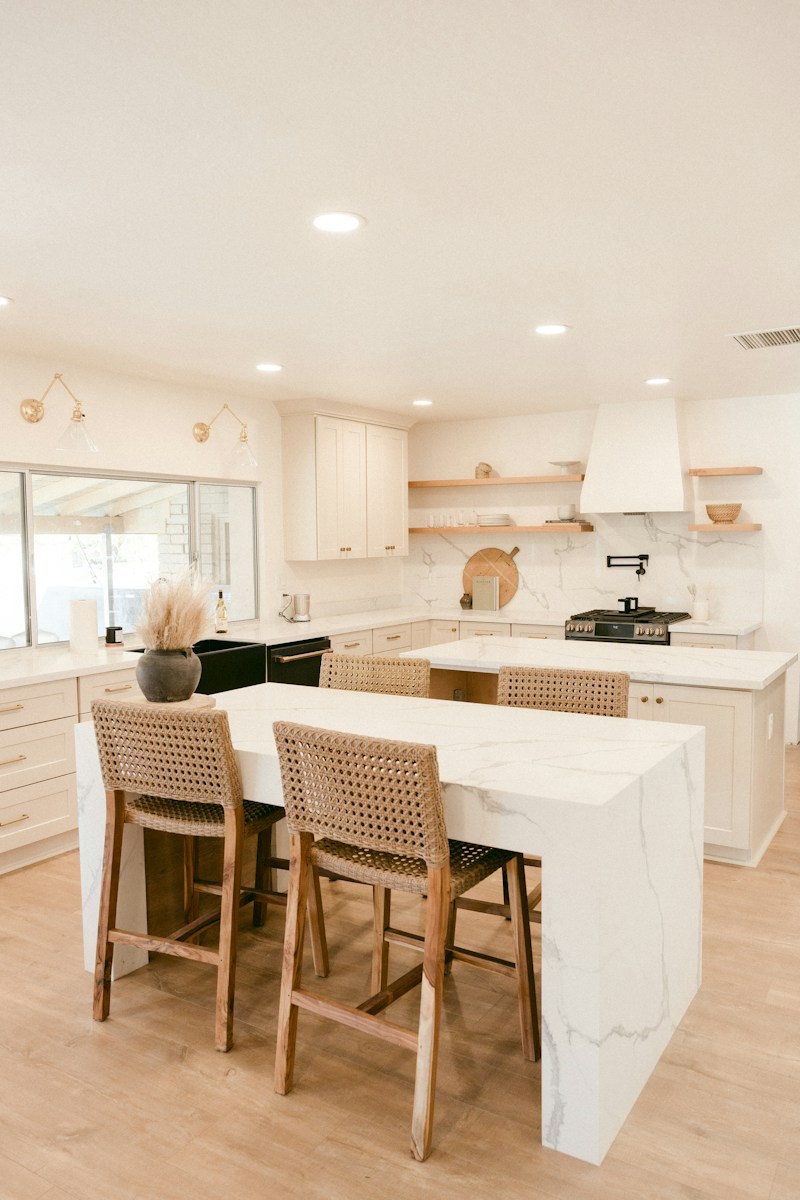
Home renovation content built around the promise of a full cost reveal draws enormous audiences on Instagram and TikTok, where creators walk followers through demo day, cabinet installs, and the big unveiling of a finished kitchen. What’s rarer is the follow-through: a complete, itemized total that holds up once permits, overages, and mid-project change orders get folded in. A look at the most recent industry cost data shows the real average kitchen remodel lands well above what most renovation posts suggest, and the gap between a social feed and an actual contractor’s invoice is wider than most homeowners assume going in.

What a Kitchen Remodel Actually Costs Right Now
Two separate cost-tracking sources land in nearly the same place. Forbes Home puts the average kitchen remodel at roughly $27,000, with a typical range between $12,000 and $60,500 depending on scope. HomeAdvisor tracks a near-identical average of $26,943, with most projects falling between $14,589 and $41,554, or roughly $75 to $250 per square foot once labor and materials are combined. Neither figure includes the kind of high-end finishes that dominate renovation reels, like waterfall quartz islands, custom cabinetry, or integrated paneled appliances. Those choices push the total considerably higher, which is part of why a single viral number rarely tells the whole story.
Small Job Versus Full Gut: Where the Big Numbers Come From
The spread gets clearer once a remodel is broken into categories. The 2025 Cost vs Value report, published annually by Journal of Light Construction and tracked across 119 U.S. markets, separates a minor midrange kitchen update from a major remodel. A minor midrange job means new counters, cabinet fronts, appliances, and fixtures without changing the layout. A major remodel involves a full gut and a reconfigured floor plan. The minor midrange update runs about $28,458 on average. A major midrange remodel, the kind most home-improvement shows depict, averages $82,793. Go upscale on a major remodel with high-end materials and custom everything, and the average climbs to $164,104. That last figure is close to six times what a cosmetic refresh costs, and it explains why two homeowners can both say they “remodeled the kitchen” while describing entirely different budgets.
The Resale Math Doesn’t Favor Going Big
Cost recouped at resale tells an even sharper story, and it cuts against the instinct to go as large as the budget allows. According to the same Cost vs Value data, a minor midrange kitchen update is the rare project that returns more than it costs, recouping about 113 percent of its price at resale. A major midrange remodel recoups roughly 51 percent, and a major upscale remodel recoups only about 36 percent. The more dramatic the transformation, in other words, the smaller the share of that spending a homeowner is likely to see back if they sell. None of this makes a full gut renovation a bad decision. It just means the decision is better made for daily livability than for equity, since the math rarely rewards going bigger simply because it will look good in an after photo.
Why Online Totals Rarely Match What Contractors Bill
Renovation content creators aren’t necessarily inflating or deflating numbers on purpose, but the totals that circulate widely often leave things out. Sponsored materials, discounted trade pricing, and DIY labor swapped in for tasks a licensed contractor would normally bill hourly can all shrink a posted figure without anyone intending to mislead. Permits, design fees, and the structural surprises that show up once old drywall or cabinetry comes down almost never make it into a caption. A number pulled from a feed is a snapshot of one project, in one market, under one set of circumstances that may not repeat for the next homeowner reading it.
For anyone using a renovation post as a budgeting benchmark, the safer move is to request written, itemized bids from at least a couple of licensed contractors before treating any single total as representative, then pad that estimate rather than trim it. Regional labor rates alone can swing a bid by thousands of dollars, and older homes frequently hide wiring, plumbing, or subfloor issues that only surface once the demo starts. The industry data agrees on one point: kitchens rarely come in under budget, and homeowners who plan around the higher end of the range tend to be the ones least surprised by the final invoice.
Leave a Reply