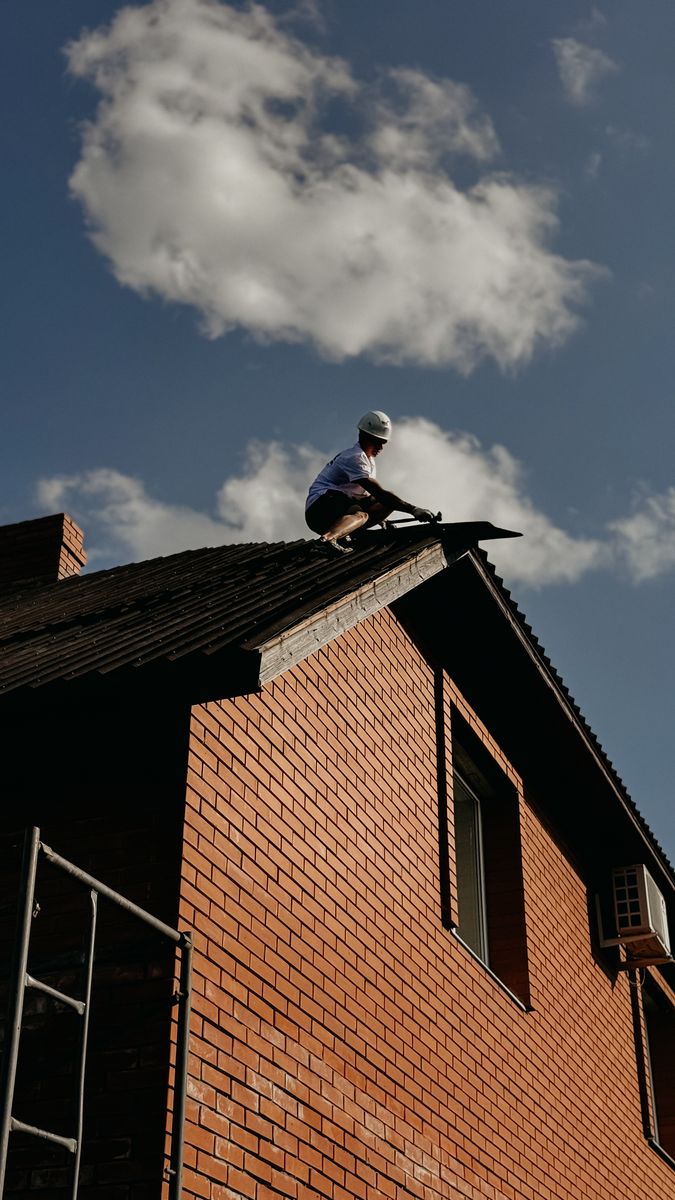
After a major hailstorm or hurricane, homeowners with damaged roofs have traditionally faced a familiar wait: filing a claim, then sitting for days or weeks until an adjuster can physically climb up and inspect the damage. That wait is shrinking. Insurance carriers are increasingly sending drones instead of, or ahead of, human adjusters, using aerial imagery to assess storm damage and move claims toward payout in a fraction of the time it once took.
The nonprofit consumer advocacy group United Policyholders has been tracking this shift, noting that drones let insurers inspect roofs faster and more safely than sending an adjuster up a ladder. That matters most after a catastrophe damages thousands of homes across one region at once: there simply are not enough licensed adjusters to visit every property quickly, and a drone pilot or remote imagery analyst can review far more roofs in a day than someone walking each one in person.

How the Inspections Actually Work
The mechanics behind these flights are fairly standardized. According to EagleView, a company that supplies aerial imagery directly to insurance carriers, an insurer typically orders imagery of a property after a claim is filed, and a drone or fixed-wing aircraft captures a series of overlapping, high-resolution photos of the roof. Software then stitches those images into a detailed, measurable model that can flag missing or lifted shingles, hail bruising, granule loss, and other storm damage without anyone stepping onto the structure.
The claims explainer from Barnard HQ lays out the process in similar terms: a drone operator, sometimes working for the insurer and sometimes for a third-party inspection vendor, flies a set pattern over the property to capture the roof from every angle, and the resulting images are uploaded into claims software that adjusters use to build a damage estimate remotely. That estimate can often be generated and sent to the homeowner within days of the flight, rather than the weeks a scheduling backlog can create after a widespread storm.
What Homeowners Should Still Do
United Policyholders also flags a consumer-protection concern worth taking seriously: a drone’s-eye view of a roof is not the same as a full, ground-level accounting of everything a storm damaged. The group advises homeowners not to rely solely on the insurer’s own drone footage as the final word on their claim, and to instead document damage themselves with photos from the ground, keep records of repair estimates and receipts, and note damage to gutters, siding, windows, and interior spaces that an aerial roof scan would not capture.
That documentation matters most if a dispute arises. A drone image can miss damage hidden under existing shingles or in areas the flight pattern did not cover well. If a homeowner’s own assessment differs meaningfully from the insurer’s drone-based estimate, independent photos and, when needed, an independent contractor’s inspection give them something concrete to point to when negotiating a claim.
For most homeowners, the growing use of drones means a shorter gap between filing a claim and getting an answer, especially after a widespread storm strains the supply of available adjusters. Consumer advocates’ guidance remains consistent: treat a drone inspection as a starting point for the claims conversation, not a substitute for keeping your own record of the damage.
Leave a Reply