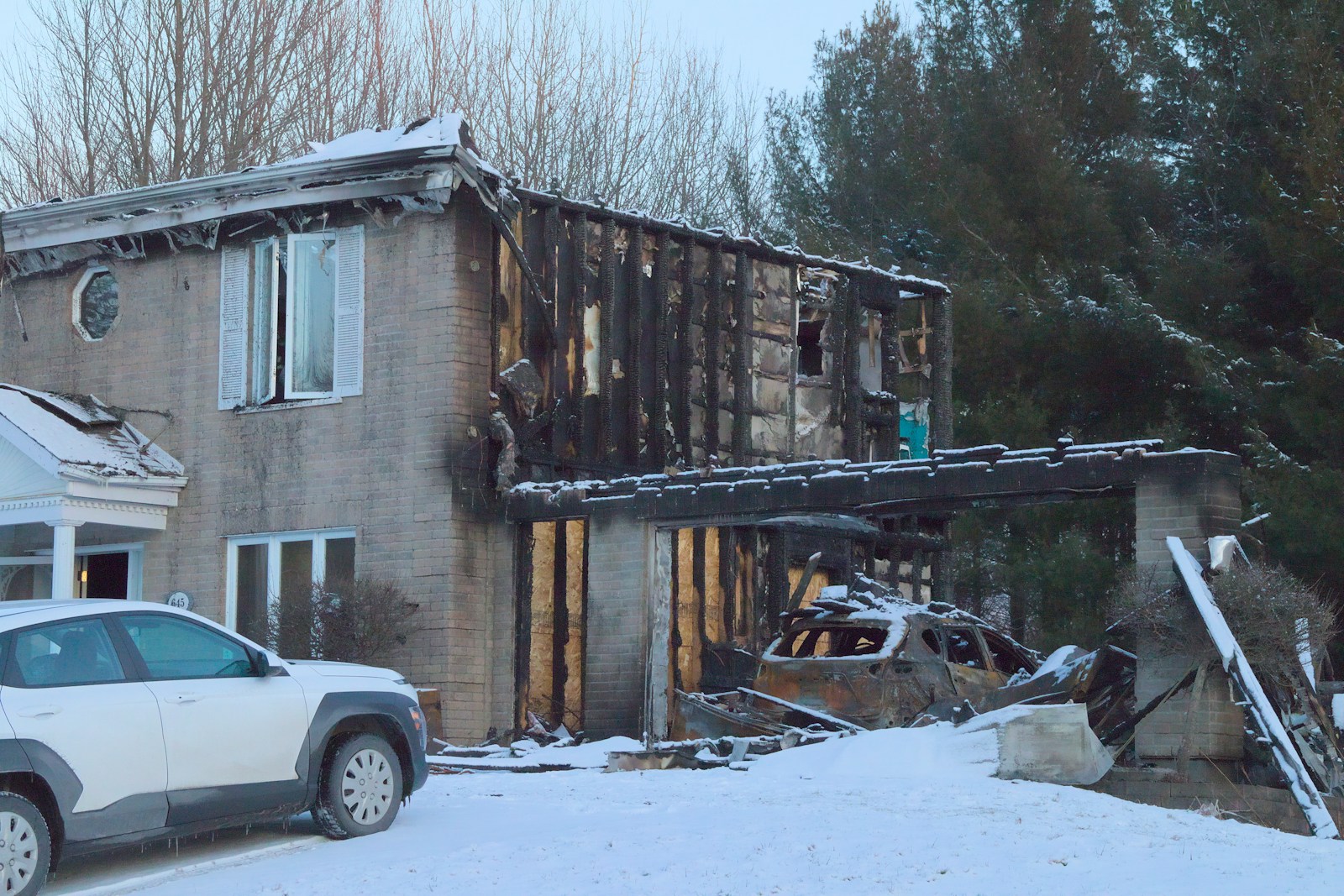
A Lawrenceburg, Tennessee, homeowner is fighting to keep two properties after his insurer denied the claim on his nearly finished 12,000-square-foot dream home and then bought the mortgage lien out from under him, according to a WSMV Nashville investigation published September 15, 2026. Joshua Redd had spent five years building the three-story brick home on 73 acres along Cates Road, and the property was appraised at more than $3 million just three months before it was set to be finished.
What happened
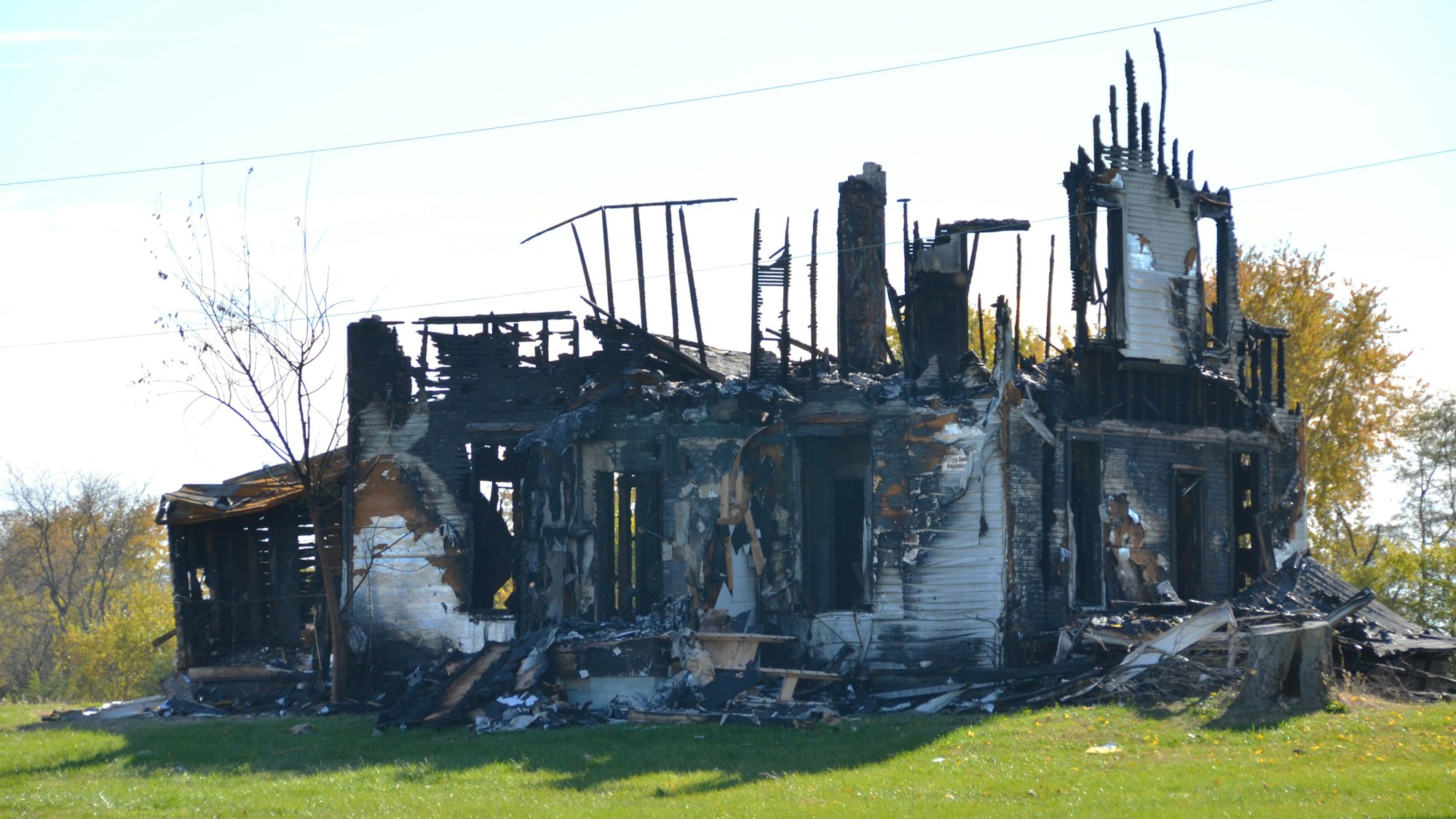
The fire broke out just after midnight on January 15, 2026. According to WSMV’s reporting, the cause remains undetermined, and the Giles County Fire Marshal’s office, with assistance from the Tennessee Bureau of Investigation, has left the case open pending new information. Redd lost the structure along with the tools and materials he had stored inside for the final stretch of construction.
Tennessee Farmers Insurance Company, part of the Farm Bureau Insurance network, denied Redd’s claim, citing what WSMV reported as “discovery of fraud or material misrepresentation” in how the policy was obtained. The insurer then canceled the policy entirely.
Key points
- Home value: The 12,000-square-foot, three-story brick house was appraised at over $3 million.
- Timeline: Redd was roughly three months from completing five years of construction when the fire hit.
- Denial reason: Tennessee Farmers Insurance cited alleged fraud or material misrepresentation in the policy.
- The twist: Farm Bureau purchased the lien on the property and, per WSMV, instructed Redd to stop making mortgage payments on it.
- Legal fight: Redd has sued the insurer, and Farm Bureau has filed a counter-suit, according to the report.
Buying up a distressed lien is not, on its own, unusual in the insurance and lending world — companies routinely acquire notes tied to properties they have financial exposure to. What is unusual here is the sequence: a denied claim followed almost immediately by the same corporate family taking control of the debt attached to the burned property, then telling the homeowner to stop paying it. WSMV reported that Redd now risks losing both the Cates Road land and his family’s current residence, which carries a second mortgage tied to the same debt.
Where things stand
Farm Bureau Insurance of Tennessee’s own published materials describe its claims process and the “fire clause” provisions built into its property policies, which govern how misrepresentation findings can void coverage — language that mirrors the justification WSMV reported the company gave Redd. (See the company’s claims page and fire clause explainer.) Those provisions exist to protect insurers against fraudulent applications, but they also hand companies significant discretion to walk away from large claims after the fact.
The case is now in litigation, with both sides suing the other, and the fire’s cause remains officially undetermined. For a family that spent five years building a home from the ground up, the fight over what happens next has become as consequential as the fire itself.
Leave a Reply