
Nearly 6% of today’s home sellers are at risk of losing money on the sale, up from 4.4% a year ago, and the group driving that number isn’t who you’d expect. It’s not people who bought decades ago. It’s people who bought at the very top of the pandemic frenzy, when a bidding war meant waiving inspections and writing a check over asking just to get a seller to say yes. The twist nobody warns sellers about runs the other direction: the sellers who rushed their own sale during that same frenzy, grabbing the first offer out of sheer exhaustion, are now watching those exact houses resell for numbers that make the original deal look like a rounding error.
What the Data Actually Shows
According to Redfin’s research team, homeowners who bought after July 2022, near the tail end of the frenzy, after prices had already peaked, are far more likely to be underwater today: 16.4% of that group is at risk of selling at a loss, compared with just 1.8% of people who bought before the pandemic. That 14.6-point gap is the clearest evidence yet that timing, not the house itself, decided who won and who lost in that market. Redfin’s analysis also notes that price appreciation has kept “ticking up since then, but at a slower pace,” which is a polite way of saying the froth cooled but the gains it locked in for early sellers never reversed.
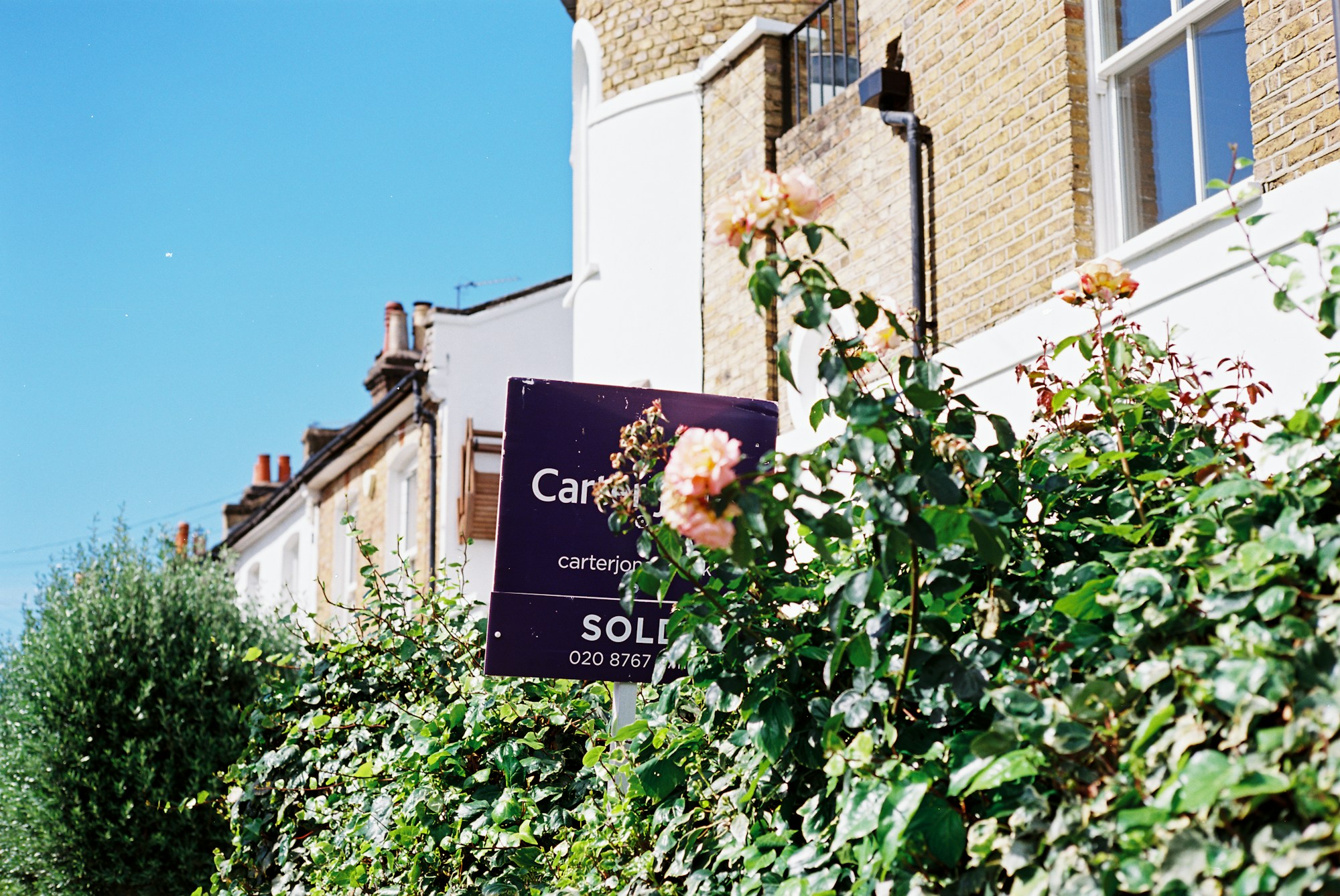
Nationally, the numbers back up how far prices have run since the frenzy years. The median existing single-family home price hit $434,900 in the second quarter of 2026, according to the National Association of Realtors, with 80% of metro areas posting year-over-year gains and five metros, led by Beaumont-Port Arthur, Texas at 11%, seeing double-digit increases in a single year. Stack four or five years of that kind of appreciation on top of a house sold in a panic in 2021 or 2022, and the math gets uncomfortable fast for the person who sold first.
Why the First Offer Felt Like the Only Offer
What made 2021 and early 2022 different wasn’t just price. It was speed. Multiple offers within days of listing, escalation clauses, appraisal gap coverage, buyers waiving contingencies most sellers had never even heard of before that year. Sellers weren’t just choosing a number; they were choosing whether to keep gambling on a market that felt like it could turn at any moment. A lot of them took the first strong offer specifically because they didn’t trust the frenzy to hold, and for a while, that looked like the smart move.
The problem is that the frenzy didn’t just hold in most markets. It kept compounding. Redfin’s loss-risk data shows the pain landing almost entirely on the buyers who came in at the very top, not on the sellers who cashed out early, which means those early sellers are now the ones watching resale listings for their old address and doing math they’d rather not do. There’s no accessible national dataset tracking how often a specific address resells for a specific markup within a few years, so any individual seller’s exact gap between what they took and what the house later fetched is anecdotal by nature. But the structural conditions (a compressed bidding window, a market that kept appreciating afterward, and a national median price now sitting well above where it stood during the frenzy) are exactly the ingredients that produce that particular kind of regret.
The risk isn’t evenly spread, either, which is part of why the regret hits so unevenly. Redfin’s metro-level breakdown shows San Francisco sellers facing loss risk on nearly 20% of listings, a market where prices ran up hardest and corrected the most since the peak. Providence, Rhode Island sits at the opposite extreme, with virtually no listings at risk, because prices there never spiked and cooled the same way. A seller who panicked in a boom-and-pullback metro is in a very different position than one who sold in a market that simply kept climbing in a straight line, which is exactly why comparing notes with a neighbor who sold a year later can produce two completely different stories from what looks like the same transaction.
What It Means Going Forward
None of this is fixable after the fact for someone who already sold. What the Redfin and NAR numbers do offer is a clearer answer for anyone facing a similar choice today: a fast offer in a rising market isn’t automatically the safe one. The frenzy years rewarded patience far more than panic, and the gap between those two instincts is still showing up on public listing records, address by address, for anyone willing to look up what their old house is worth now.
Leave a Reply