Some homes stop being safe long before anyone outside the front door notices — and it often takes someone willing to step inside with a camera to bring that reality to a wider audience.
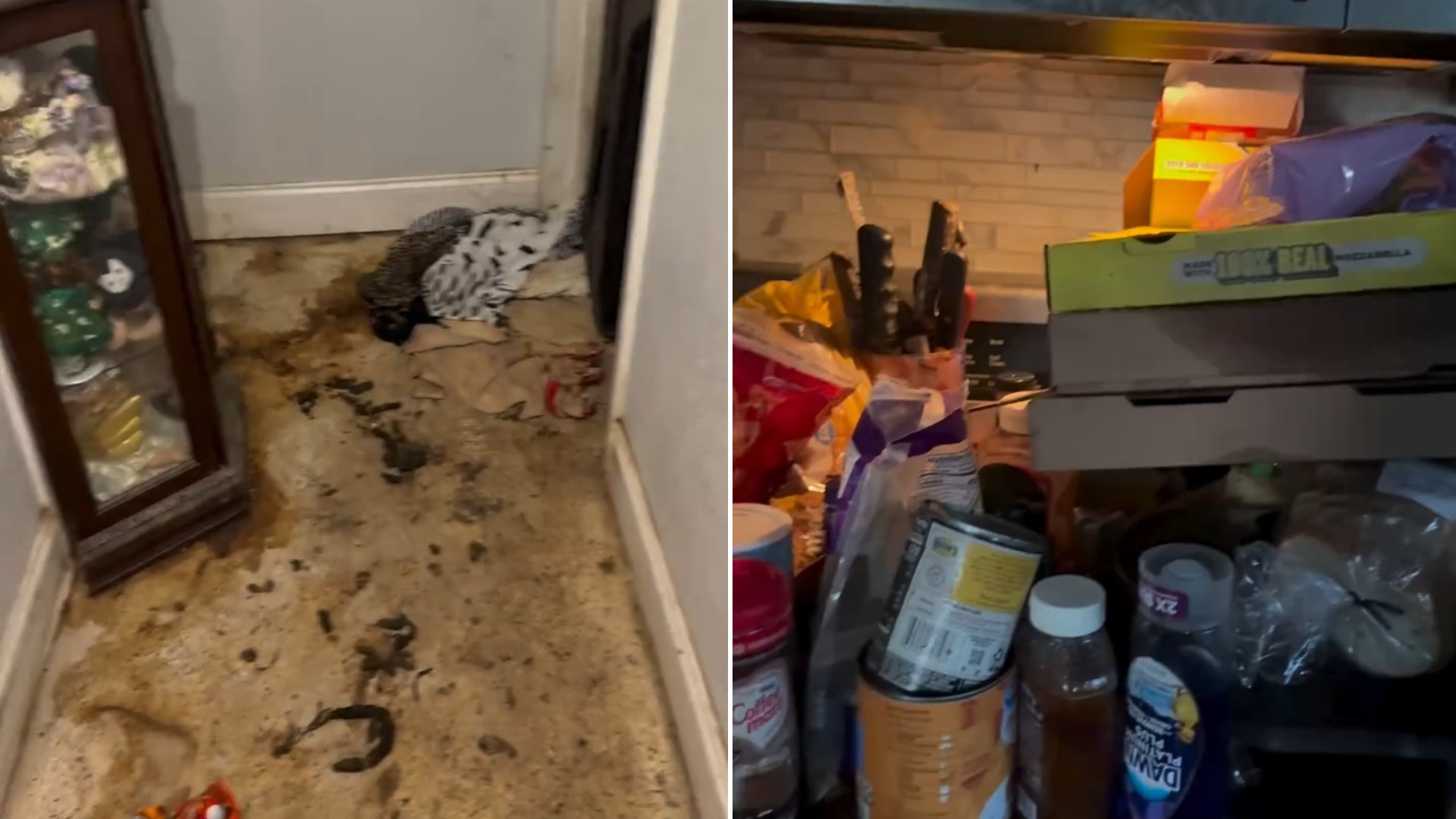
That’s what a creator posting on Instagram as @floridasirofficial set out to do, captioning the first installment of a series: “PART ONE: This Woman And Her Son Are Living In A Nightmare.” According to the video, the creator conducts an on-site interview with a woman and her son inside their home, documenting what’s described as severe, unsanitary living conditions. The format — an in-person visit and interview, rather than a secondhand account — puts viewers directly inside a space most would never otherwise see.
The video doesn’t specify the exact nature of every issue found inside the home, but the framing throughout makes clear the conditions go well beyond ordinary wear and tear or clutter — this is presented as a situation serious enough to warrant an on-camera investigation and a multi-part series. The presence of the woman’s son in the interview underscores that this isn’t an isolated adult living alone, but a household — the kind of story that tends to land with particular weight for viewers who are parents themselves.
The first part of the series has already reached a massive audience, pulling in 4.5 million views on an account with 234,000 followers — numbers that reflect how much public attention stories like this can generate once someone brings a camera into a situation most people only hear about secondhand.
Investigative, on-site interviews like this one carry a particular weight because they put a face and a voice to conditions that are otherwise easy to discuss only in the abstract — statistics about substandard housing, rather than a specific mother and son describing what daily life inside a space like that actually looks like.
Series like this one tend to draw sustained attention precisely because they promise follow-through — a ‘part one’ signals that the story, and any change in the family’s circumstances, will keep being documented rather than left as a single unresolved snapshot.
Where to Turn When a Home Isn’t Safe to Live In
Unsafe or unsanitary living conditions are a genuine housing crisis for many families, and there are real avenues for help that don’t require going viral first. If you’re a renter facing serious issues — pest infestations, mold, broken plumbing, structural problems — most cities and counties have a code enforcement or housing inspection department that can be contacted directly, often anonymously, to document violations and legally compel a landlord to make repairs.
Tenants generally have a legal right, under what’s often called the “implied warranty of habitability,” to a home that meets basic safety and health standards, regardless of what a lease says otherwise — though the specific protections and enforcement process vary significantly by state. Documenting conditions with dated photos and written notices to a landlord (kept even if they go unanswered) creates a record that matters if the situation ever needs to go further, whether that’s a formal complaint, withheld rent through a legal process, or a broader tenant’s rights claim.
For families in crisis conditions right now, local tenant’s rights organizations, legal aid societies, and 211 referral services can help connect a household with both emergency resources and a clearer sense of what legal options actually exist where they live.
It’s also worth knowing that in many places, reporting unsafe conditions doesn’t require proof of a landlord’s intent to neglect the property — only documentation of the conditions themselves. Photos, a simple written log of issues and dates, and, where possible, a professional inspection all strengthen a case regardless of whether a landlord is unresponsive out of neglect, financial strain, or something else entirely.
For viewers moved to help in situations like this, verifying any fundraising or donation link directly through the account rather than a comment section is worth the extra step, since impersonation and copycat solicitation are common risks whenever a story like this reaches a wide audience.
You can watch the full video and follow @floridasirofficial on Instagram for more.
Leave a Reply