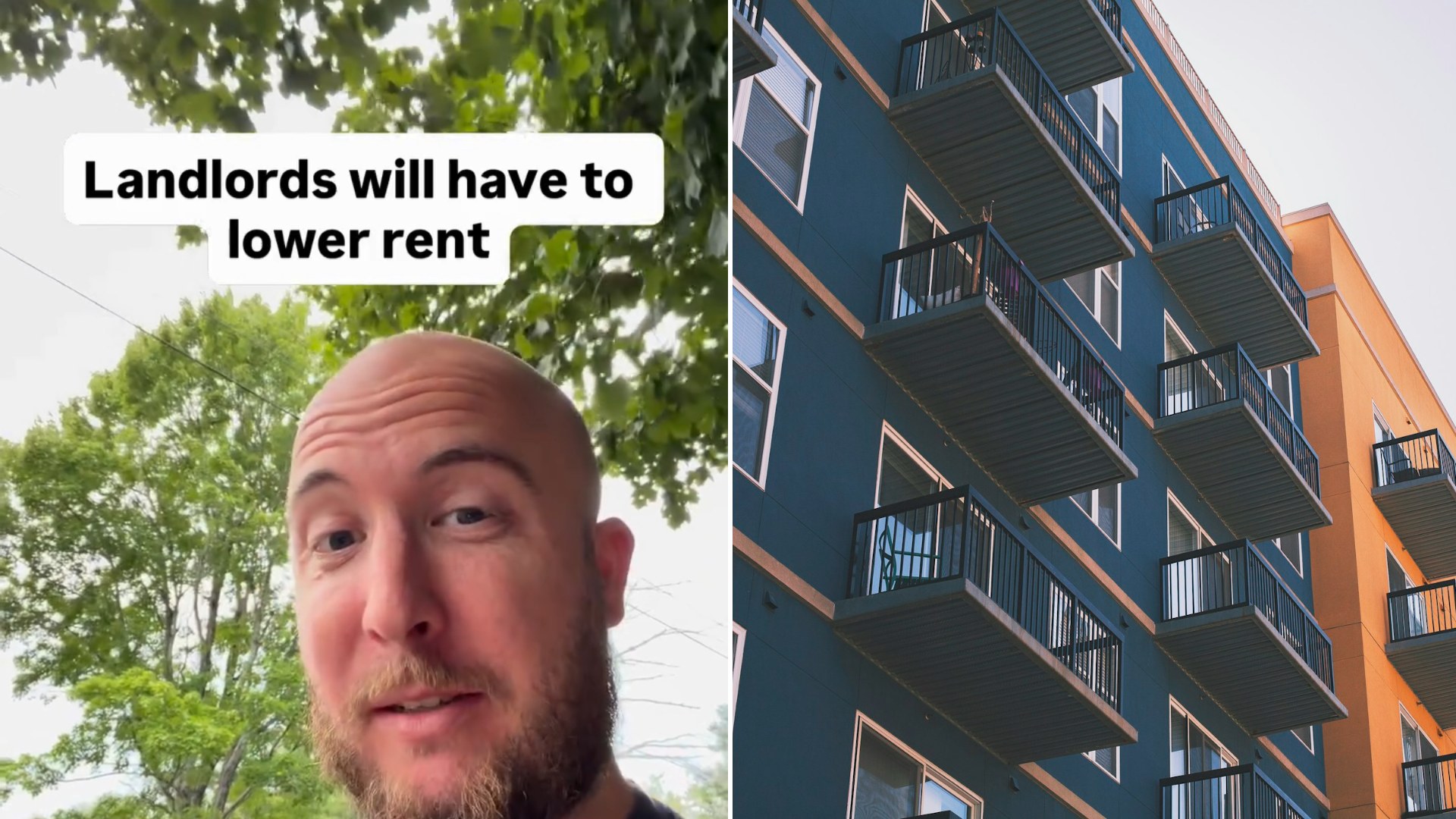
Rent increases can feel inevitable, like a force of nature landlords have no real control over. One property manager is pushing back on that assumption, arguing the current financial climate is about to flip the script.
Posting on Instagram as @propmanagerdan, he poses the question directly: “Who still thinks increasing rent on their current tenants is a good idea?” According to the video, the creator speaks straight to camera to explain his economic theory on why landlords will be forced to lower rent prices given current financial conditions — a contrarian take aimed squarely at an industry norm most renters assume only moves in one direction.
The video doesn’t detail every data point behind his reasoning, but the framing positions him as someone speaking from inside the property management world, pushing back on standard industry practice rather than critiquing it from the outside. That insider angle — a property manager himself questioning whether rent hikes still make financial sense — is part of what makes the argument land differently than it might coming from a renter or outside commentator.

It reached a solid audience for the size of the account — 110,600 views on a following of 2,400 — a strong multiple that suggests real appetite among viewers, likely both renters and fellow landlords, for a take that runs against the usual “rents only go up” assumption.
A contrarian take from someone inside the industry tends to travel further than the same argument made by an outside critic, in part because it reads as a kind of insider admission rather than an outsider’s complaint about a system they’re not directly part of.
Property managers occupy an interesting position in these conversations — closer to the day-to-day financial reality of a rental portfolio than either tenants or the analysts who cover housing markets from a distance, which can make their read on where things are headed feel more grounded, even when it runs against conventional wisdom.
What Actually Determines Whether Rent Goes Up or Down
Rental prices respond to the same basic economic pressures as any market: supply, demand, vacancy rates, and the broader cost environment landlords are operating in. In markets where new apartment supply has outpaced population growth, or where vacancy rates are climbing, landlords genuinely can face pressure to hold or lower rents to keep units filled — an empty unit, after all, generates no income at all, which is often worse for a landlord’s bottom line than a slightly lower rent on an occupied one.
That said, rental markets are intensely local — national trends and headlines don’t always reflect what’s happening on a specific block or in a specific building, so any broad prediction about rents rising or falling is worth checking against your own local vacancy rates and new construction data, both of which are often tracked by local apartment associations or city planning departments.
For renters facing an increase, it’s worth knowing that rent negotiation is more common, and more successful, than people often assume — especially in a softening market, where a landlord facing a vacancy may genuinely prefer a modest concession to the cost and uncertainty of finding a new tenant. Coming prepared with local comparable rental data can make that conversation a lot more persuasive than simply asking for a lower number.
It’s also worth knowing that landlords weighing rent decisions often factor in turnover costs — lost rent during vacancy, cleaning, advertising, and re-leasing fees — which can make a modest rent freeze or reduction for a reliable existing tenant more financially attractive than it might first appear, even in a market where rents are technically still rising elsewhere.
Local apartment association vacancy reports, often published quarterly, are a useful way to check whether a specific market is actually trending the direction any individual creator, landlord, or analyst claims it is.
You can watch the full video and follow @propmanagerdan on Instagram for more.
Leave a Reply