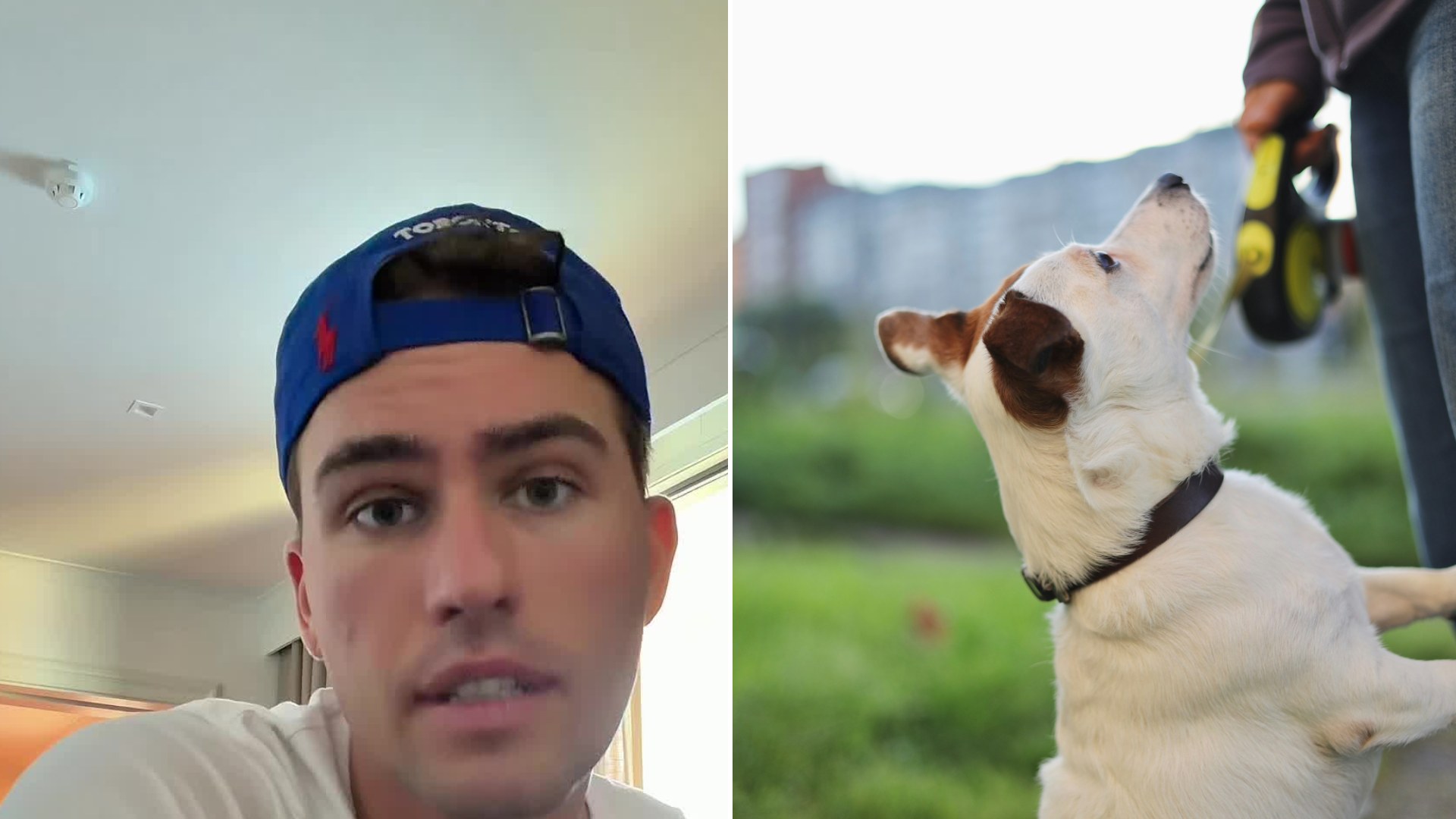
A dog owner is speaking out publicly, saying that two people — a trainer identified as Jeff Todd and an individual named Jalen Hicks — were both present with his dogs on the day his dog, Duncan, died. In a TikTok video, the owner addresses the camera directly, calling on Hicks specifically to come forward with what he says he knows about what happened that day.
It is essential to be precise about what is established here and what is not: this is an allegation, delivered through the owner’s own narration to camera, naming specific individuals in connection with the death of his dog. The owner says both men were with his dogs when Duncan died. He does not, in the material available, offer independent confirmation, documentation, or comment from either named individual — this is his account, and his alone, as presented in the video. Neither Jeff Todd nor Jalen Hicks has been reported here as having responded to these claims, and nothing in the available material establishes wrongdoing, negligence, or responsibility on the part of either man.
The video’s caption adds another layer to the owner’s public appeal: “Jalen Hicks the less you speak the more your friends are doing it in my DMs. Come forward.” That line suggests the owner believes other people connected to Hicks have been reaching out to him privately, offering information, even as Hicks himself has not, according to the owner, spoken publicly about what happened. The owner’s message is a direct, public call for Hicks to address the situation on his own terms, rather than allowing the story to be pieced together secondhand.
Losing a pet is difficult under any circumstances, and when an owner believes the circumstances surrounding that loss are unclear or unresolved, that grief can be compounded by a search for answers. Entrusting a dog to a trainer, as appears to be part of the situation the owner describes, requires a significant degree of trust — trust that something went wrong with, in the owner’s account, leaves him with pointed and still-unanswered questions about what actually took place. His decision to name individuals publicly and to press for a response reflects, by his own framing, a belief that he has exhausted more private avenues for getting answers.
Because this account rests entirely on the dog owner’s own narration and has not been independently verified, readers should treat the specific claims — about what happened to Duncan, and about either named individual’s role in it — as allegations rather than established fact. The story, as it stands, is one grieving owner’s public call for accountability and information, not a resolved account of what happened.
Vetting a Dog Trainer or Pet Caretaker
When entrusting a pet to a trainer, boarding facility, or any outside caretaker, it’s worth asking for references, verifying credentials, and, where possible, visiting the facility or workspace in advance. Clear communication about expectations, emergency protocols, and what happens if something goes wrong should be established before a pet is handed over, not after. If a pet is injured or dies while in someone else’s care, keeping detailed records — messages, timelines, any documentation available — is important both for personal clarity and for any potential follow-up, whether that means a conversation with the caretaker, a veterinary review, or, if warranted, legal consultation. And for anyone naming individuals publicly in connection with a loss, it’s worth remembering that allegations, however sincerely felt, are not the same as confirmed facts until all sides have had a chance to respond.
Leave a Reply