There’s a certain kind of home feature that sells itself in a listing photo — the shimmering pool, the grand chandelier, the koi pond glinting in the sunlight — and then quietly becomes a source of dread once the maintenance bills and weekend chores start rolling in. These features aren’t scams or bad investments exactly; they genuinely can bring joy and comfort. The catch is that almost none of the upkeep gets mentioned in the real estate listing that made you fall in love with them in the first place.
Before you fall for the fantasy of a resort-style backyard or a spa-like primary suite, it’s worth understanding what these features actually demand once the excitement of moving in wears off. Here’s what tends to become a chore rather than a luxury.
In-Ground Swimming Pools
A backyard pool is the classic example of a feature that looks effortless in photos and turns out to be a genuine part-time job. Beyond the upfront installation cost, owners face ongoing annual maintenance costs that add up quickly, covering chemicals, cleaning, filter replacement, and seasonal opening and closing. Equipment failures, like a pump or heater breaking down, can mean unexpected four-figure repairs. In climates with real winters, pools also require careful winterizing to prevent damage, adding another seasonal task to the calendar. What looked like an endless summer amenity often becomes, for many owners, a costly maintenance obligation that gets used heavily for only a few months a year.
Home Elevators
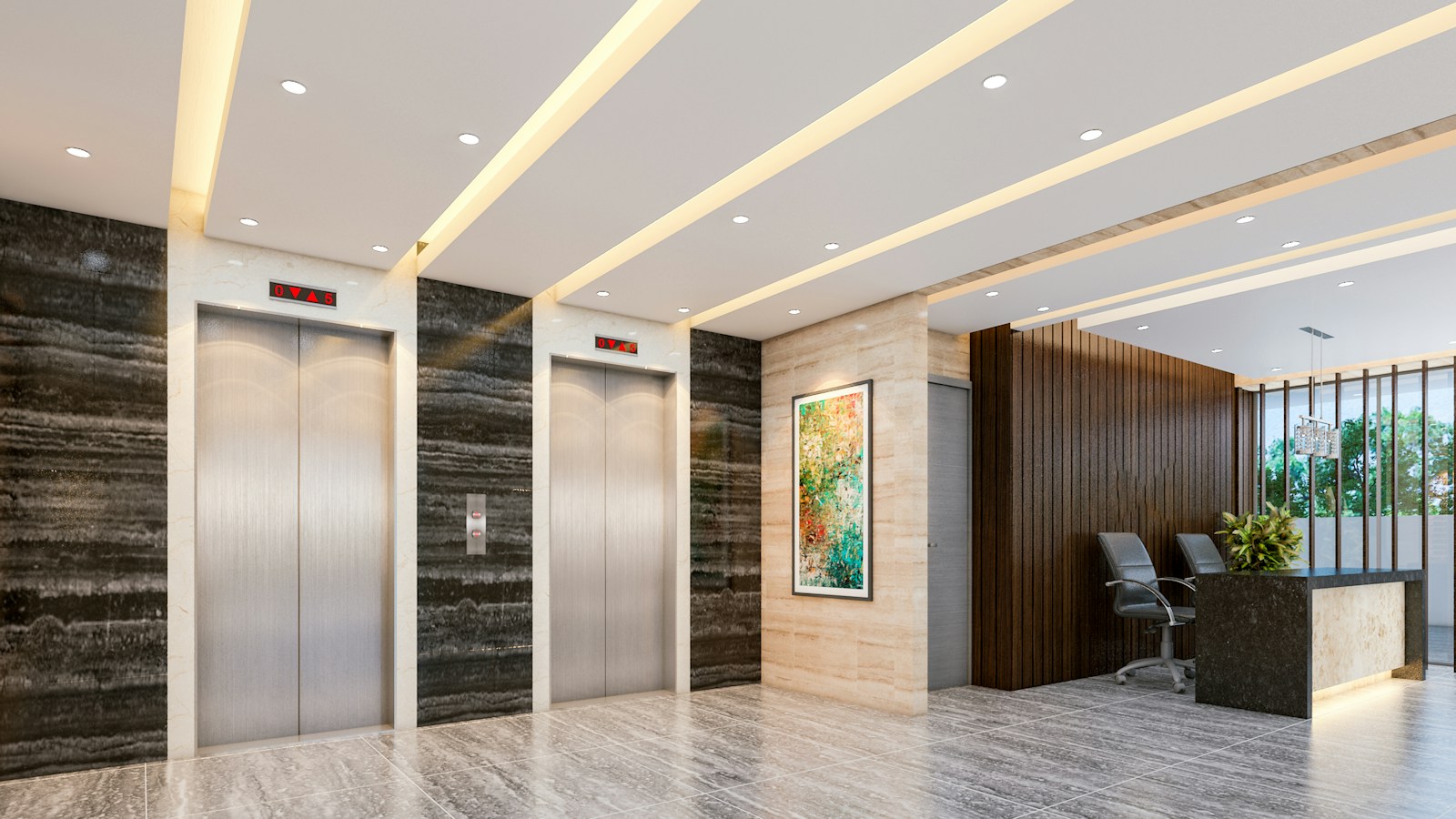
A private elevator sounds like the height of luxury, particularly in multi-story homes designed for aging in place, but it comes with a maintenance contract most buyers don’t anticipate. Elevators require regular professional servicing to stay compliant with safety codes, and repairs to specialized residential elevator equipment tend to be far more expensive than fixing typical household mechanical systems, partly because fewer technicians are qualified to work on them. A malfunctioning elevator isn’t just an inconvenience; in some cases it can mean a home is temporarily inaccessible for residents who rely on it, turning what was meant to be a comfort feature into a genuine daily complication until it’s repaired.
Expansive, Manicured Lawns
A sprawling, golf-course-quality lawn photographs beautifully, but maintaining that look requires consistent mowing, edging, fertilizing, aerating, and often a costly irrigation system to keep everything green through dry stretches. Owners who inherit or install an expansive lawn often end up either spending significant weekend hours on it themselves or paying for a professional lawn service on a recurring basis. Larger lawns also mean higher water bills in many regions, and achieving that magazine-cover look typically requires ongoing treatments for weeds and pests as well. What starts as an appealing feature of a large lot can become one of the more time-consuming and expensive aspects of homeownership.
Hot Tubs and Spas
A backyard hot tub promises relaxation, but it also demands regular chemical balancing, filter cleaning, and periodic draining and refilling to keep the water safe and clear. Like pools, hot tubs have mechanical components, pumps, heaters, and jets, that eventually need repair or replacement. Energy costs for keeping the water heated year-round can also be higher than owners expect, especially in colder climates. Many owners find that after the initial months of frequent use, the hot tub becomes an occasional-use feature that still demands constant upkeep to stay ready, turning a relaxation investment into a recurring maintenance task regardless of how often it’s actually used.
Wine Cellars With Climate Control
A dedicated wine cellar sounds impressively sophisticated, but the climate-control systems that keep temperature and humidity stable for wine storage are specialized equipment that requires monitoring and occasional professional service. A malfunction isn’t just an inconvenience; it can damage an entire wine collection if temperatures swing out of range before anyone notices. Owners who built a cellar as a design statement rather than for serious collecting sometimes find the ongoing energy costs and maintenance responsibility outweigh how often they actually use the space, especially if their collection is modest relative to the room built to store it.
Elaborate Home Theaters
A dedicated home theater room with a large screen, surround sound, and specialized seating is a significant investment, and it’s one where the technology itself becomes an ongoing maintenance project. Projector bulbs need periodic replacement at real expense, audio and video equipment can become outdated within a few years as formats evolve, and troubleshooting a complex, integrated system often requires professional help rather than a simple fix. Owners who built an elaborate theater setup sometimes find themselves either paying for regular tech support or watching the system slowly become obsolete, all while the room itself sees less use than expected once the initial novelty wears off.
Statement Chandeliers and High Ceiling Fixtures
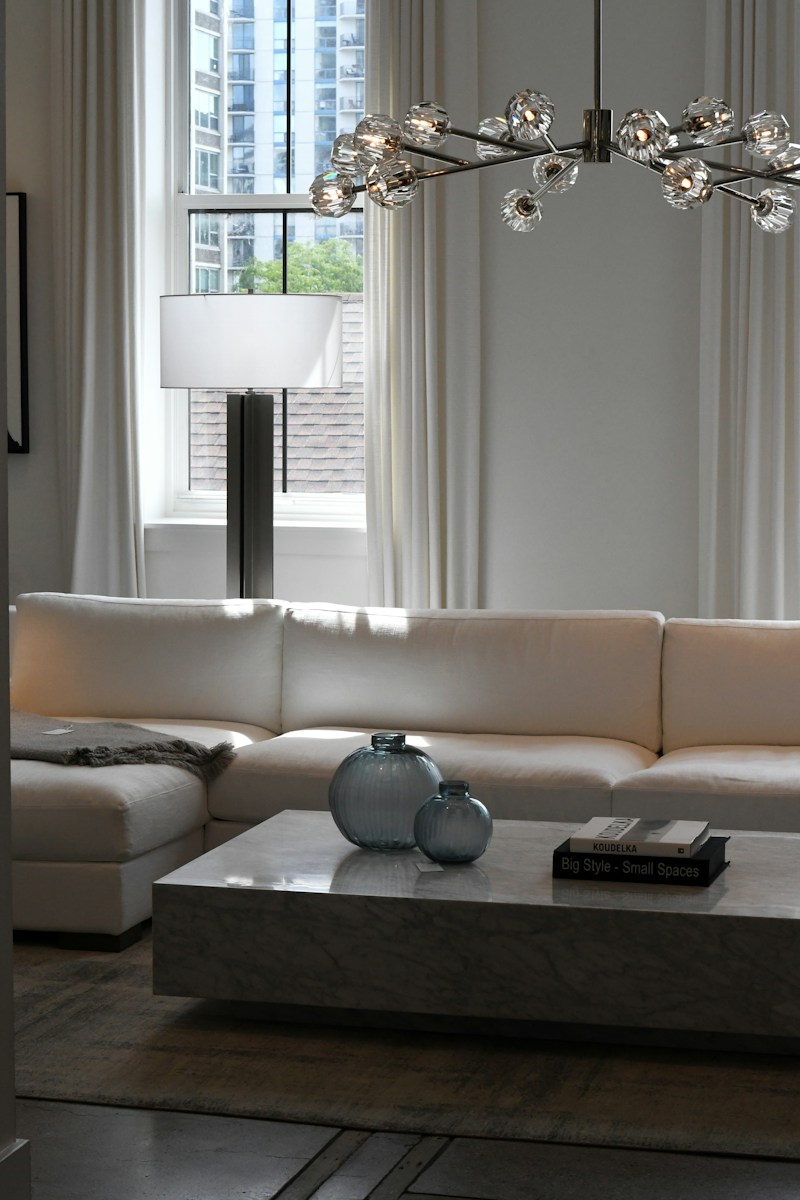
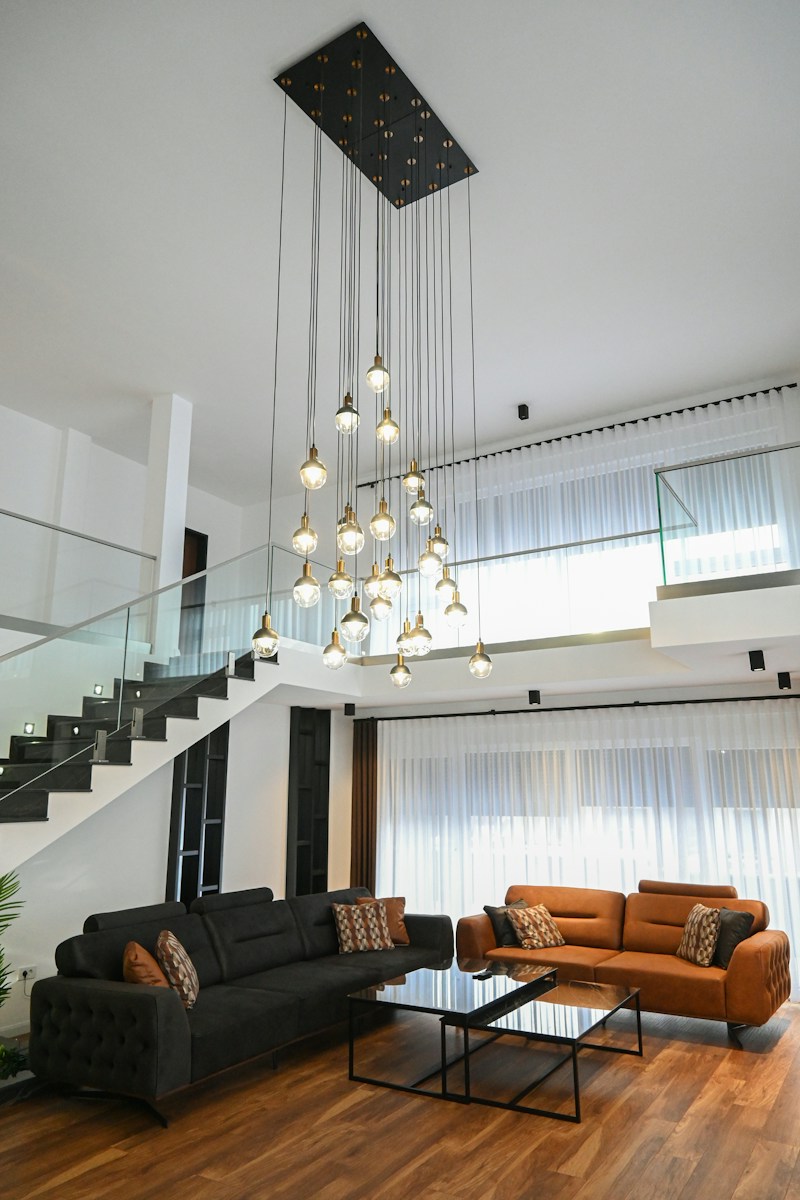
A dramatic chandelier hanging from a two-story foyer or great room ceiling makes a striking first impression, but cleaning and bulb replacement require special equipment or professional help simply because of the height involved. Dust and grime accumulate on all those exposed crystal or glass elements, and a fixture that can’t be easily reached becomes one that’s cleaned far less often than it should be, gradually looking dingy despite its impressive scale. Owners sometimes end up paying for a lift rental or a specialized cleaning service periodically, an ongoing cost that never appeared on their radar when they were choosing the fixture for its visual impact.
Koi Ponds and Water Features
An ornamental pond stocked with koi adds a tranquil, high-end touch to a backyard, but it also requires filtration system maintenance, water quality monitoring, and the ongoing care of living fish, including protecting them from predators and extreme temperatures. Algae control, pump upkeep, and seasonal draining or covering in colder climates all add to the workload. Owners who inherited a koi pond from a previous homeowner sometimes discover just how much specialized knowledge and time is required to keep both the fish and the water feature healthy, turning what looked like a serene garden element into an ongoing responsibility they didn’t fully anticipate.
Grand Staircases With Runners
A sweeping staircase with an elegant carpet runner photographs beautifully, but stair runners are notoriously difficult to clean thoroughly, since vacuuming each step individually is far more time-consuming than cleaning a flat floor. Runners in high-traffic entryways also show wear and staining faster than expected, and professional cleaning or eventual replacement can be costly given the custom fit most staircases require. The grandeur that makes a staircase feel like a luxury feature is often exactly what makes its upkeep more labor-intensive than a simple hardwood or tile staircase would be.
Extensive Skylights and Glass Ceilings
A home with numerous skylights or a glass-heavy roof design lets in dramatic natural light, but each skylight is a potential point of failure for leaks if flashing and seals aren’t maintained properly, and repairs mean working at height on the roof. Extensive glass also means more surface area gaining and losing heat, which can drive up cooling costs in summer and heating costs in winter. Cleaning glass positioned high above normal reach typically requires special equipment or a professional service, another recurring cost that isn’t obvious from the ground when admiring how the light pours in.
Whole-Home Smart Systems With Many Connected Devices
An extensively automated home, with smart lighting, thermostats, locks, and appliances all networked together, sounds like the height of modern convenience, but each additional device is another thing that can lose connectivity, need a firmware update, or simply stop working when a company discontinues support for a product line. Owners of heavily connected homes often find themselves troubleshooting glitches, reconfiguring systems after power outages, or replacing components that have been abandoned by their manufacturers years before the rest of the house shows any wear. What was marketed as effortless control can become its own category of ongoing tech maintenance most homeowners didn’t sign up for.
Leave a Reply