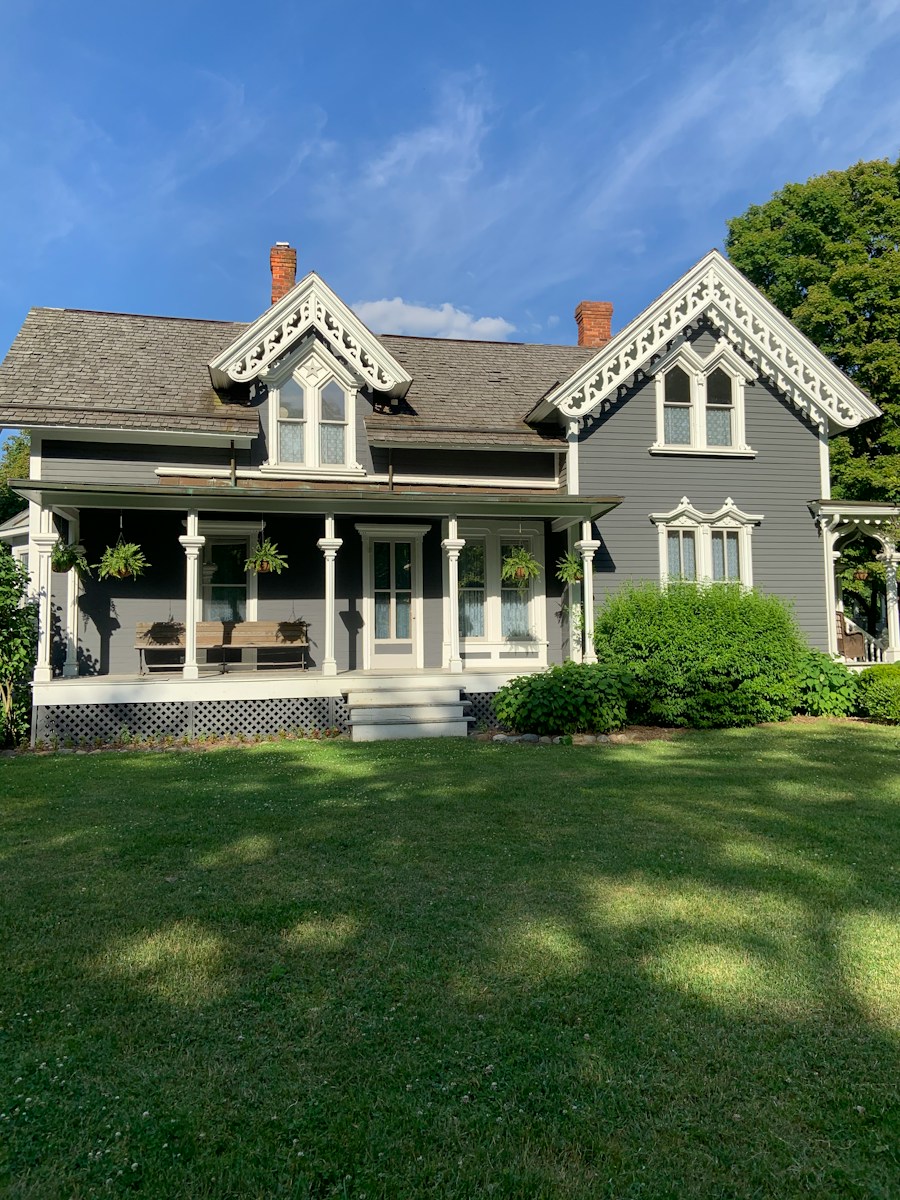
A well-executed flip can be a genuinely great home, updated systems, fresh finishes, and none of the deferred maintenance that comes with buying from a longtime owner who put off every repair. But flipping is also a business built on speed and margin, and profit margins on flipped homes have been getting tighter in recent years, which creates real pressure to cut costs somewhere buyers won’t immediately notice.
None of this means every flip is a trap. Plenty of investors do quality work and stand behind it. But a few corners get cut often enough that they’re worth a second look before falling for a gorgeous kitchen and forgetting to check what’s underneath it.
Cosmetic Updates Layered Over Unaddressed Structural Issues
New paint, flooring, and light fixtures are the fastest, cheapest ways to make a home look transformed in listing photos, and it’s tempting for a flipper working on a tight timeline to prioritize these visible upgrades over slower, more expensive structural or systems work that buyers can’t see at a glance. A foundation crack patched and painted over looks identical to one that’s been properly engineered and repaired, at least until it isn’t. A full inspection that specifically checks structural elements, not just surface finishes, is essential on any recently flipped property.
Permits That Were Skipped to Save Time and Money
Work like electrical upgrades, plumbing changes, or structural modifications typically requires permits and inspections, but a flipper racing to resell can be tempted to skip this process entirely to avoid delays and fees. Unpermitted work can create real problems for a buyer down the line, including insurance complications, difficulty selling later, and the possibility that work wasn’t done to code in ways that aren’t visible without opening up walls. Checking permit history with the local building department before closing is a simple step that can reveal whether major renovations were properly documented.
The Cheapest Available Version of Expensive Fixtures
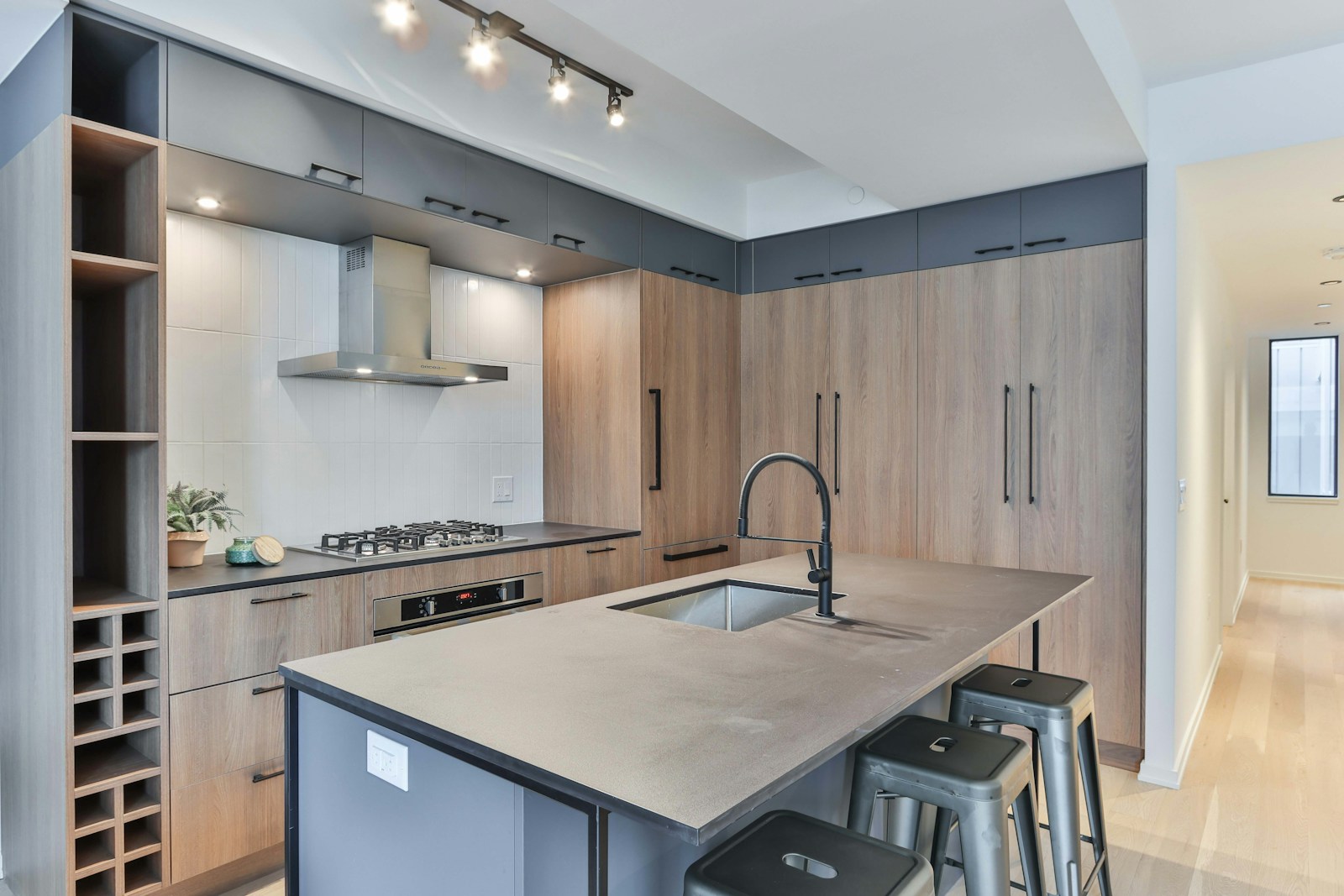
Kitchens and bathrooms sell houses, so flippers often invest heavily in these rooms, but sometimes with the least expensive materials that photograph well but don’t hold up to years of daily use, like laminate countertops styled to look like stone, or budget faucets prone to failing within a couple of years. These choices are hard to spot from photos or even a quick walkthrough. Looking closely at material quality in person, and asking directly what brands and materials were used, gives a more honest picture than the finished look alone.
A Rushed Timeline That Leaves Little Room for Careful Work
Because flippers generally profit from speed, a compressed renovation timeline can mean corners cut in ways that aren’t always obvious immediately, rushed paint jobs, inconsistent tile work, or systems installed quickly rather than optimally. A property that went from purchase to relisting in just a few weeks is worth extra scrutiny, since that timeline leaves little room for the kind of careful, methodical work that quality renovations typically require. This doesn’t guarantee problems, but it’s a reasonable signal to bring a more thorough inspector.
Painted-Over Water Stains Instead of Fixed Leaks
A quick coat of stain-blocking primer and paint can make a water stain disappear from view without addressing whatever leak caused it in the first place, which is a common and inexpensive way to make a ceiling or wall look freshly renovated. If the underlying leak wasn’t actually repaired, the stain, and the damage, will simply reappear after the next heavy rain or plumbing issue. Asking directly about any past water damage and having an inspector check attic spaces and areas around plumbing fixtures closely is worth the extra time.
Landscaping and Curb Appeal That Outpaces What’s Inside
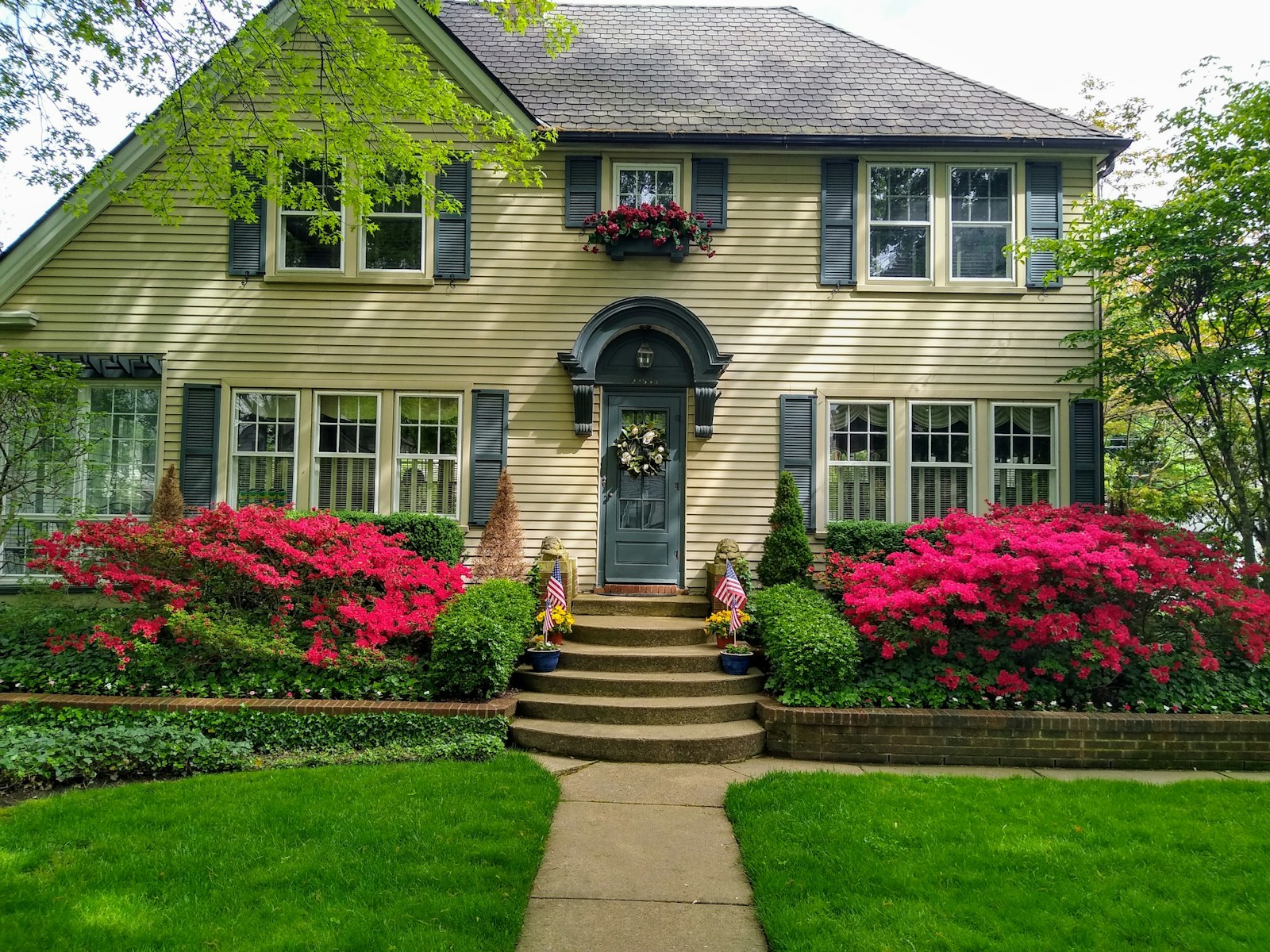
Fresh mulch, a new coat of paint on the front door, and a couple of well-placed potted plants dramatically improve a home’s first impression for very little cost, and flippers know this creates an emotional head start before a buyer even walks through the door. That strong first impression can make buyers more forgiving of issues discovered later inside, simply because the initial emotional reaction was so positive. Trying to mentally separate the emotional pull of curb appeal from an objective evaluation of the home’s actual condition is a genuinely useful discipline when touring a flipped property.
Leave a Reply