
Most neighbors never intend to cause a problem. They just live their own lives, make their own landscaping and maintenance decisions, and generally assume everything happening on their side of the property line stays there. The trouble is that a surprising number of everyday choices don’t actually stay contained, quietly creeping over, under, or across the boundary in ways that can affect your property’s condition, safety, or even its value. Tree and boundary issues in particular are governed by rules that vary significantly by state, and Nolo’s legal reference on neighbor tree disputes is a useful starting point for understanding how these situations are generally handled before assuming any one rule applies everywhere.
None of this means every neighbor issue needs to become a conflict, most get resolved with a simple, friendly conversation. But it helps to know what to watch for before a small issue becomes an expensive one. Here are seven things a neighbor might be doing, often without realizing it, that can end up affecting your own property.
Overhanging Branches and Encroaching Roots
A neighbor’s tree doesn’t respect property lines any better than any other plant, and branches or roots that extend onto your side can cause real damage over time, dropping limbs on a shed or fence, or roots that crack a driveway or invade a sewer line. In many states, a property owner generally has the right to trim back branches and roots that cross onto their own land, though cutting into the trunk itself or damaging the tree’s health can create liability of its own, so it’s worth understanding the specifics before taking action. Because the rules genuinely vary by location, a friendly conversation with the neighbor, and a quick check of local ordinances, usually resolves it faster and more amicably than assuming any single approach is universally correct.
Drainage or Grading That Diverts Water Onto Your Yard
Regrading a yard, adding a hardscaped patio, or redirecting a downspout can change how water flows across a property line, and if a neighbor’s changes send more water toward your yard than used to arrive naturally, it can lead to soggy patches, erosion, or even foundation moisture issues on your side. Many jurisdictions have rules about altering natural drainage patterns in a way that harms an adjoining property, though enforcement and specifics depend heavily on local regulations. Documenting the change with photos and dates, and raising it directly with the neighbor before it escalates into a bigger drainage problem, tends to be the most effective first step regardless of what the underlying law says.
A Dead or Dying Tree Left Standing Near the Property Line
A tree that’s visibly dead, diseased, or structurally compromised poses a real risk if it’s positioned where a falling limb or the whole trunk could land on your property, vehicle, or a structure. Depending on the circumstances and how clearly the danger was known beforehand, liability for damage from a neighbor’s tree can shift meaningfully compared to damage from a healthy tree that simply fell in a storm. If a neighbor’s tree looks obviously hazardous, documenting its condition and raising the concern directly, in writing if it doesn’t get addressed verbally, creates a record that can matter later if the tree does eventually cause damage.
A Fence, Shed, or Addition Built Past the Property Line
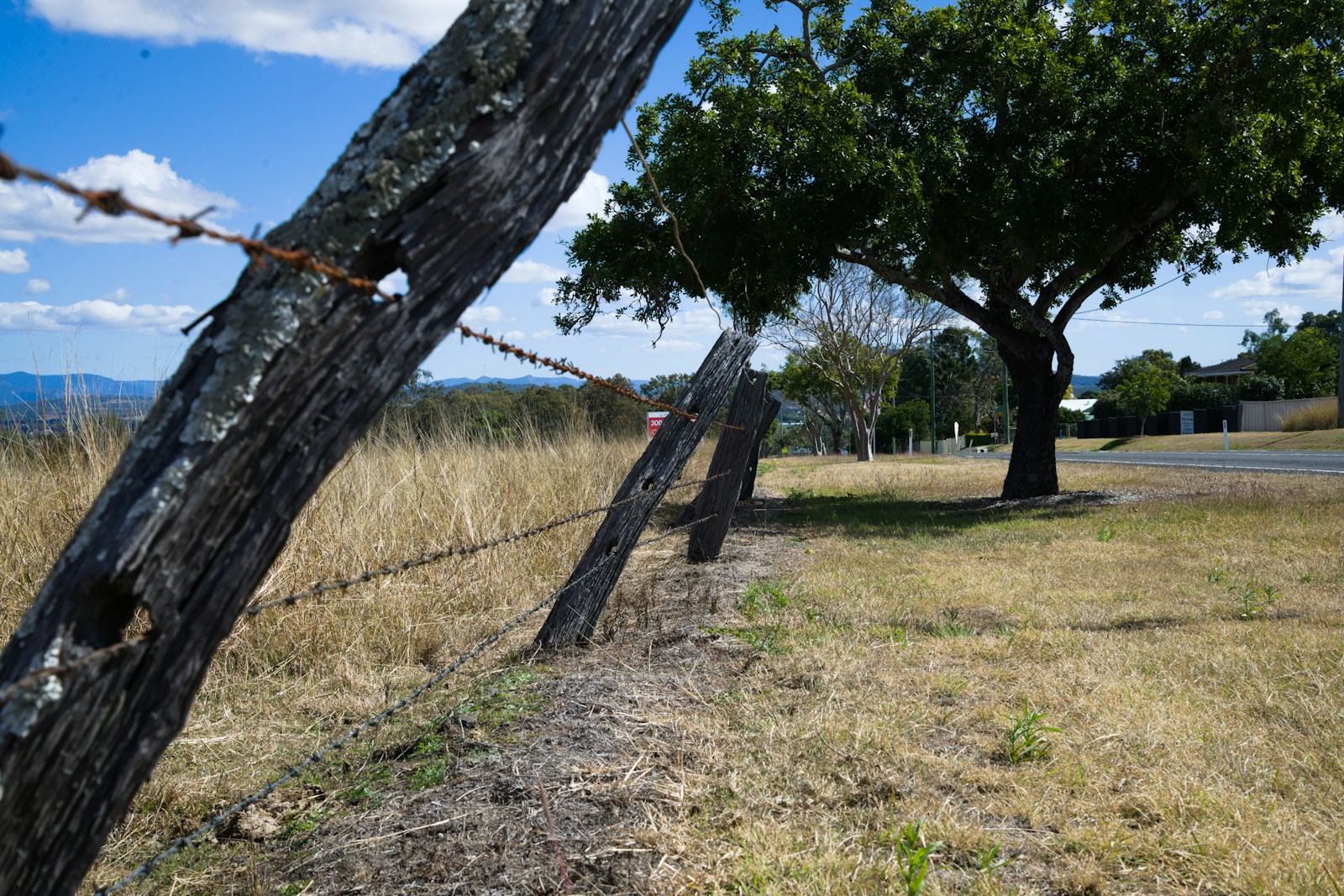
Encroachment happens more often than most homeowners realize, sometimes from an honest mistake about where the boundary actually sits, and sometimes from a fence or structure installed years ago that nobody questioned until a sale or survey brought it to light. An encroaching structure can complicate a future sale, affect your own usable yard space, and in some cases open the door to adverse possession claims over long enough periods, though the rules and timelines for that vary widely by state. A current survey is the most reliable way to confirm exactly where boundaries actually fall, and addressing a discovered encroachment promptly, ideally through a documented agreement, tends to be far easier than untangling it years later.
Ongoing Clutter or an Unmaintained Property Nearby
A neighboring property that’s visibly overrun with junk, abandoned vehicles, or unmanaged debris doesn’t just look unpleasant, it can genuinely affect how appraisers, buyers, and even insurance companies view the surrounding area, including your own home. Extreme cases sometimes qualify as a public nuisance under local code enforcement, giving a municipality grounds to require cleanup, though thresholds for that vary by jurisdiction. Reporting concerns to local code enforcement is often more effective, and less personally confrontational, than a direct conversation when a property has clearly crossed from a personal preference into a genuine, ongoing hazard or eyesore.

Unpermitted Construction Close to the Shared Boundary
A neighbor adding a shed, deck, or addition without pulling the proper permits can create problems that extend beyond their own property, particularly if the structure violates required setback distances from the property line. Setback rules exist partly to preserve light, privacy, and drainage patterns for adjoining properties, and an unpermitted structure built too close can affect all three on your side of the line. If you suspect a project near your boundary wasn’t properly permitted, checking with the local building department is a reasonable first step, since it’s their role to enforce those requirements rather than something neighbors typically need to resolve between themselves.
Neglected Weeds, Pests, or Invasive Plants Spreading Across the Line
A neighbor’s untended garden bed or overgrown yard can become a source of weed seeds, invasive plant runners, or even pest infestations that don’t respect where one property ends and the next begins. Aggressive plants like running bamboo or certain vines can spread underground for a considerable distance, showing up in your yard long after they took root next door. While it’s rarely a legal issue outright, a persistent source of unwanted plants or pests is worth raising directly, since most people don’t realize how far their yard’s problems are actually traveling until someone points it out.
Leave a Reply