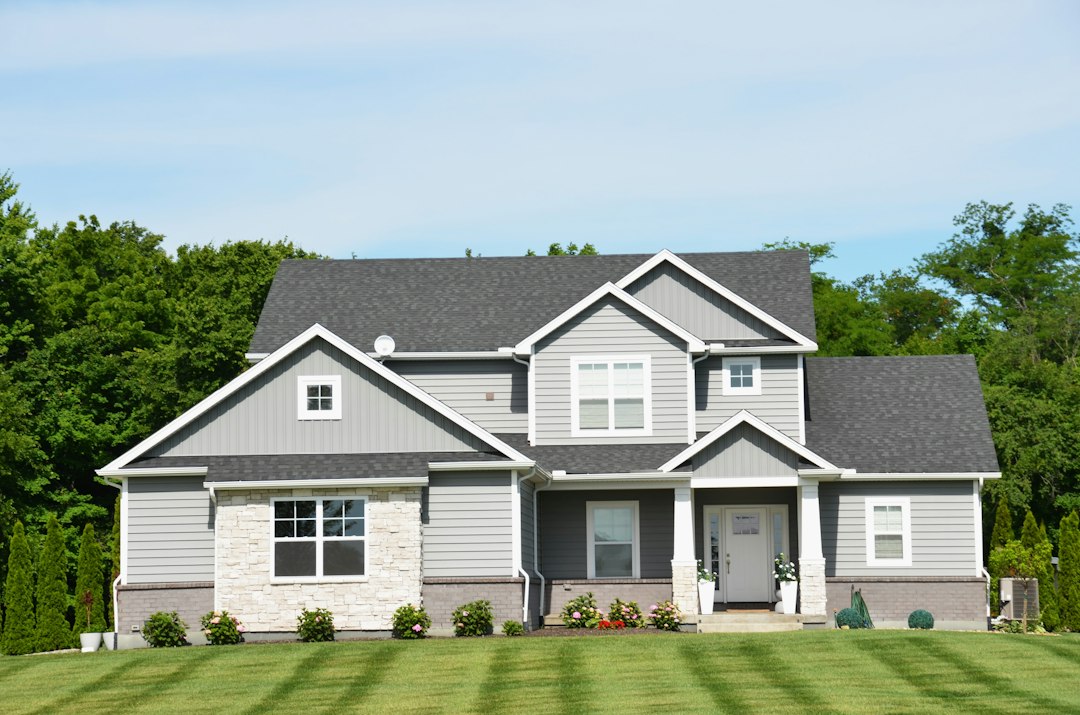
Buyers spend a lot of energy scrutinizing the house they’re about to purchase and comparatively little time looking over the fence at what’s already there. But the yard next door affects your daily experience of the property almost as much as your own does, and unlike your own yard, you have no control over it.
A quick walk around the perimeter during a showing can reveal a lot. Here are eight things worth noticing about the neighboring yard before you make an offer.
The General State of the Lawn and Beds
An unmaintained lawn or overgrown beds next door aren’t just a cosmetic issue, they can become a habitat for rodents, ticks, or other pests that don’t respect property lines. A yard that’s been neglected for a season or more is also a reasonable signal about how the owner approaches upkeep generally, which can be useful context for a shared fence, tree, or drainage issue down the road.
Trees and Branches That Overhang the Property Line
Take note of any neighboring trees with branches or roots extending over the boundary, since falling limbs, heavy leaf drop, or root intrusion into your future yard are common sources of friction between neighbors. In most places, you’re allowed to trim what crosses onto your side, but the tree itself, and any larger hazard it poses, generally remains the other owner’s responsibility and their decision to address.
The Condition and Ownership of Existing Fencing
Look closely at any fence along the shared boundary: is it upright and in good repair, and is it clear who owns or is responsible for maintaining it? A leaning or deteriorating fence you don’t legally own can become an unexpected negotiation or cost once you’re the one living behind it, and it’s worth asking the seller or their agent what they know about the fence’s history and ownership.
Vehicles, RVs, or Equipment Being Stored
A yard being used to store an RV, boat, work truck, or other large equipment can affect your view, your sense of privacy, and sometimes property values nearby, particularly if the items are visible from your windows or outdoor living space. It’s also worth checking whether local rules actually restrict this kind of storage, since enforcement varies widely even where ordinances exist.
How Water Drains Between the Properties
Stand in the yard after a rain if you can, or ask directly, about which way water flows near the shared boundary. A neighboring yard graded so that runoff flows toward your future property can mean a wet basement, soggy lawn, or erosion issues that have nothing to do with your own home’s condition and everything to do with the lot next door.
Outdoor Lighting Aimed Toward Your Windows
Security floodlights or landscape lighting positioned close to the shared property line can end up shining directly into bedroom or living room windows at night, which is an easy detail to miss during a daytime showing. Walking the property boundary in the evening, if your schedule allows, can reveal lighting issues that wouldn’t otherwise show up until you’re already living there.
Pets and How They’re Contained
Notice whether a neighboring dog is contained by a real fence, an invisible fence, or nothing in particular, and whether it’s a barker. A loose or frequently barking dog next door is one of the more common daily-life annoyances new homeowners report, and it’s not something a home inspection will ever flag for you.
Visible Code Violations or Ongoing Disputes
Piled debris, an unpermitted structure, or a yard that looks like it’s in the middle of an unresolved dispute with the city are worth asking your agent about directly. These situations can eventually resolve through code enforcement, but they can also drag on for years, and it’s better to know you might be buying next to an ongoing situation than to discover it after closing.
Leave a Reply