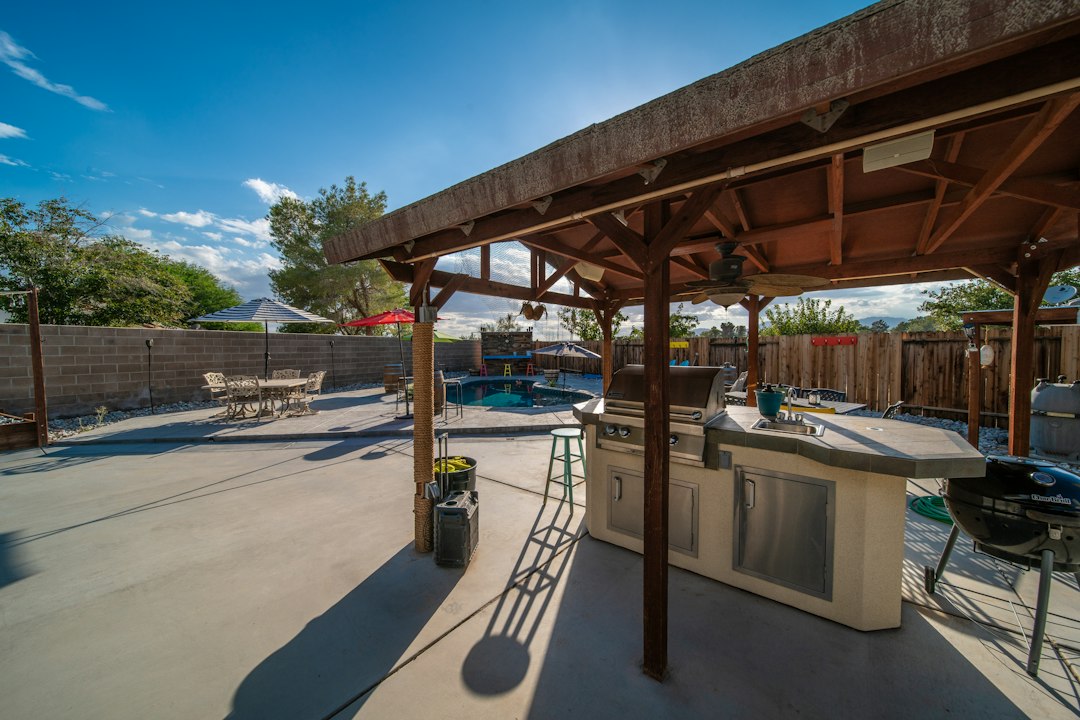
A backyard is supposed to be a retreat, the one part of the property where you can fully relax without thinking about anyone else. But a backyard doesn’t exist in isolation, and the habits of whoever lives on the other side of the fence have real power over how peaceful that space actually feels.
None of these are dramatic, headline-worthy disputes on their own. They’re small, repeated behaviors that add up over time. Here are ten of the most common.
Frequent Late-Night Gatherings
An occasional weekend get-together is normal neighborhood life, but regular late-night gatherings with music, conversation, or lighting that carries well past a reasonable hour can wear on a shared backyard fast. Most areas have quiet-hour ordinances, but calling on a neighbor repeatedly tends to strain the relationship even when it’s technically justified, which is part of why this habit is so draining.
Smoke Drifting Over the Fence
Cigarette smoke, a frequently used fire pit, or grilling smoke that consistently drifts into a neighboring yard can make it genuinely unpleasant to use your own outdoor space, especially for anyone with respiratory sensitivities. Wind direction and yard layout play a role, but a neighbor who smokes or burns often in a spot that reliably sends smoke your way can turn something as simple as opening a window into a daily annoyance.
Pets Left Unleashed or Unsupervised
A dog that’s allowed to roam unsupervised, especially one that barks persistently or wanders onto neighboring property, is one of the most commonly cited sources of neighbor tension. It’s not just about mess or noise, it’s the unpredictability of not knowing whether an animal will stay on its own side of the yard.
Security Cameras Aimed Into Your Yard
Video doorbells and security cameras have become nearly universal, but cameras angled to capture a neighboring backyard rather than just the owner’s own property or front walk can create a real sense of being watched. Even when there’s no bad intent, a camera pointed at your patio or pool area is a common and legitimate source of discomfort worth raising directly and early.
Habitual Burning or Heavy Grilling
Beyond occasional smoke drift, a neighbor who burns yard waste regularly, where it’s allowed at all, or grills so frequently that smoke becomes a near-constant presence, can make a shared outdoor space feel unusable on a regular basis rather than just occasionally. This is often more about frequency and wind pattern than any single event.
Plants and Roots Creeping Across the Line
Bamboo, ivy, or aggressive vines that aren’t contained on the neighbor’s side can spread into your yard steadily and take real effort to remove once established. Even less invasive plantings positioned right at the boundary can eventually require ongoing trimming just to keep them from encroaching onto your side of the line.
Loud Yard Equipment Used Early or Late
Leaf blowers, mowers, or power tools used at dawn or well into the evening can turn what should be quiet hours into a source of daily frustration, particularly in yards close enough together that there’s little buffer. Most communities have specific hours for this kind of noise, but a neighbor who consistently pushes those limits creates ongoing friction even when each individual instance seems minor.
Trash and Bins Stored Along the Shared Fence
Garbage or recycling bins kept permanently against a shared fence line, especially without a enclosure, can create odor issues and attract pests that don’t stay confined to one side of the property. This is a small, fixable habit, but one that a lot of neighbors don’t think to change unless it’s brought up.
Frequent, Ongoing Construction or Renovation
A single renovation project is a temporary, understandable disruption, but a neighbor who seems to always have a construction crew, dumpster, or unfinished project going can mean months or years of intermittent noise, dust, and parked work vehicles that chip away at the calm of a backyard.
Disputes Over Who Maintains the Shared Fence
Disagreement over whose responsibility it is to repair, replace, or even paint a shared fence is one of the most common low-grade tensions between neighbors, especially when the fence is genuinely jointly owned. Establishing clarity on this early, ideally in writing, prevents a fence that slowly falls apart while both sides wait for the other to act.
Leave a Reply