Flooring is one of the biggest visual investments in any home, and it’s also one of the hardest to change once it’s installed. Some of the most popular flooring materials on the market today look stunning in showrooms and listing photos but come with maintenance demands that don’t always get mentioned during the sales pitch.
Here are eight flooring choices that require more ongoing care than most homeowners expect.
Matte Black or Dark Hardwood
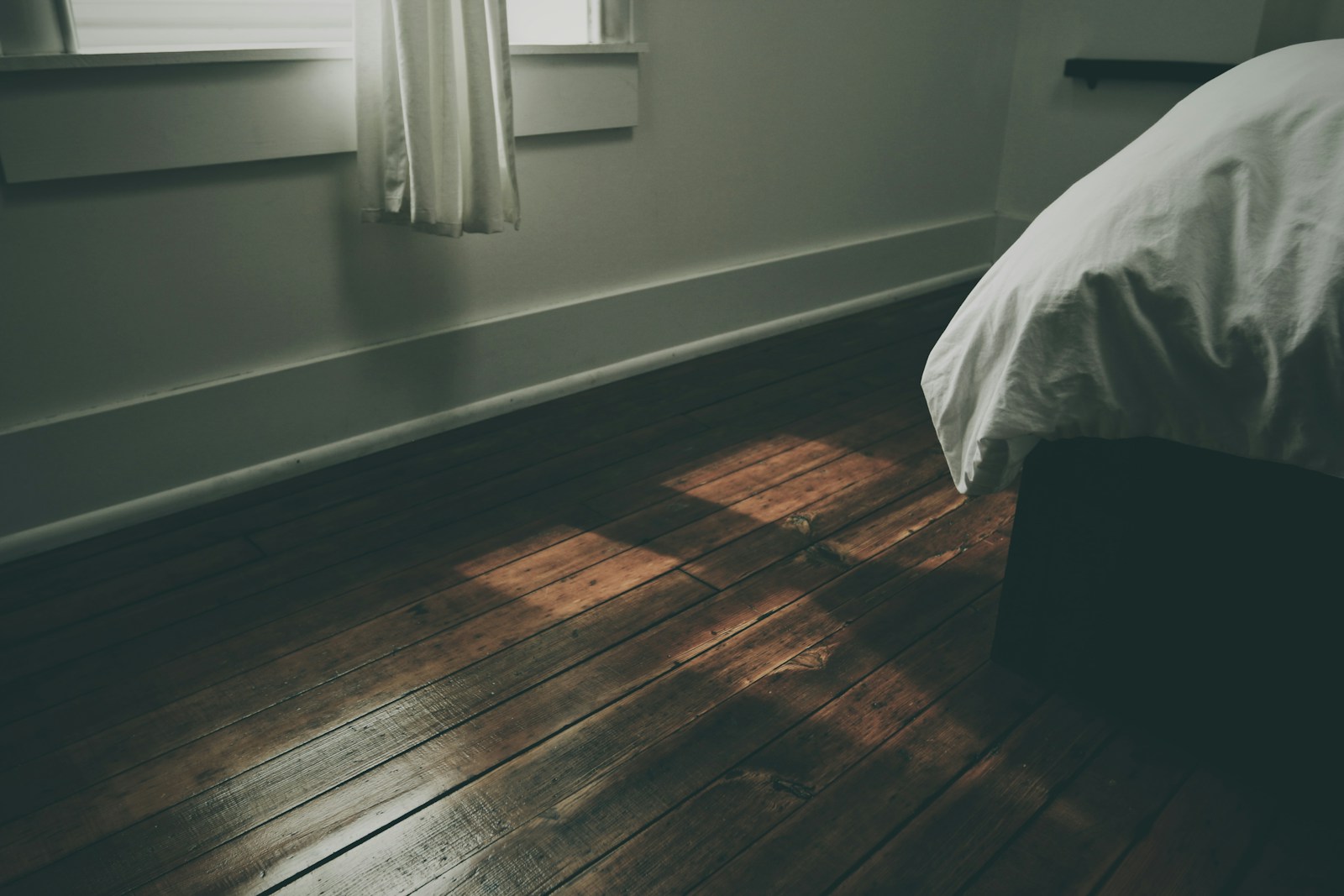
Dark-stained hardwood floors create a dramatic, high-end look, but they show dust, pet hair, footprints, and even the faintest scuff marks far more readily than lighter wood tones. What might be invisible on a medium oak floor becomes an obvious smudge on ebony-stained boards, which means dark hardwood typically needs more frequent sweeping and mopping to maintain its polished appearance. Scratches also tend to stand out more starkly against dark stain, since the lighter wood underneath contrasts sharply with the surrounding finish once the surface is scuffed.
Honed or Matte Natural Stone
Honed marble, travertine, and other natural stone flooring options offer a soft, elegant, non-reflective finish, but the porous surface absorbs spills and stains more readily than polished stone or engineered alternatives. Without regular sealing, honed stone can develop permanent etching from acidic spills like wine, citrus juice, or certain cleaning products, and once etched, the damage typically requires professional refinishing to correct. Natural stone floors generally need resealing on a recurring schedule, and skipping this maintenance accelerates staining and wear considerably.
Large-Format Polished Porcelain Tile
Oversized polished porcelain tiles create a seamless, high-end look with minimal visible grout lines, but the glossy surface shows water spots, footprints, and streaks from cleaning products much more visibly than a matte or textured finish would. Achieving a truly streak-free result often requires specific cleaning techniques and products rather than standard all-purpose cleaners, and the large format means any installation imperfections, like slight lippage between tiles, are more visually obvious across a bigger, uninterrupted surface.
Light-Colored Grout Between Tiles
White or light gray grout provides a clean, crisp contrast against tile, but it’s notably more prone to visible staining and discoloration over time than darker grout colors, particularly in high-traffic areas or kitchens where spills are common. Once light grout darkens unevenly, the contrast between newly cleaned sections and stained sections becomes glaringly obvious. Sealing grout when it’s first installed and resealing periodically slows this process, but light grout in busy areas of the home generally requires more frequent deep cleaning than a medium or darker tone would.
Solid Wide-Plank Hardwood
Wide-plank hardwood flooring creates a rustic, high-end aesthetic, but wider boards are more susceptible to visible gapping and cupping as humidity levels shift throughout the year, since each board expands and contracts more dramatically than a narrower plank would. This is particularly relevant in climates with significant seasonal humidity swings, where wide-plank floors may need a whole-home humidifier or dehumidifier to minimize movement. Refinishing wide-plank floors also generally costs more than standard-width hardwood, simply because there’s more surface area per board to sand and refinish evenly.
Textured or Hand-Scraped Wood-Look Flooring
Hand-scraped and heavily textured flooring, whether real wood or a wood-look alternative, adds visual character and hides minor scuffs well, but the texture also traps dust, dirt, and debris in its grooves more effectively than a smooth surface would. Vacuuming and mopping textured floors thoroughly takes noticeably more time and effort, since standard flat mop heads don’t reach into every groove as effectively. Over time, dirt embedded in deep texture can also become genuinely difficult to remove entirely, even with regular cleaning.
High-Gloss Epoxy or Resin Floors
Increasingly popular in modern homes for their sleek, reflective look, high-gloss epoxy floors show every speck of dust, every footprint, and every minor scratch with striking clarity, since the mirror-like finish offers nowhere for imperfections to hide. While epoxy is genuinely durable against many types of damage, keeping it looking pristine requires frequent, careful cleaning with non-abrasive products, since standard cleaning tools can dull the glossy finish over time. Once the surface is scratched or scuffed in a visible way, spot repairs are difficult to blend seamlessly into the surrounding glossy surface.
Natural Cork or Linoleum Flooring
Cork and genuine linoleum flooring appeal to homeowners looking for sustainable, softer-underfoot alternatives to hardwood or tile, but both materials require periodic resealing or refinishing to maintain their water resistance and appearance. Without this maintenance, both surfaces can absorb moisture, leading to swelling, discoloration, or a dull, worn appearance well before the material has reached the end of its actual lifespan. These floors also tend to show furniture indentations more readily than harder surfaces, requiring furniture pads and occasional rearranging to prevent permanent marks.
Leave a Reply