
New home warranties don’t last forever, and the coverage windows for different components typically expire in stages, with many structural warranties running around ten years while coverage for systems and workmanship expires much sooner, often within the first one to two years. Once a warranty period ends, any issue that surfaces becomes the homeowner’s financial responsibility, which makes a thorough walkthrough before each deadline genuinely worth the effort.
Here are twelve things to check before your coverage runs out.
Drywall Cracks and Nail Pops
New construction homes commonly develop minor drywall cracks and nail pops as the house settles and lumber dries out during the first year or two, and most builder warranties specifically cover this kind of settling-related cosmetic damage during an initial workmanship period. Walking through every room and marking any cracks, gaps at trim joints, or protruding nail heads before that workmanship warranty expires ensures you can submit a claim for repairs rather than paying out of pocket for what’s considered a normal, warrantable defect.
Window and Door Operation
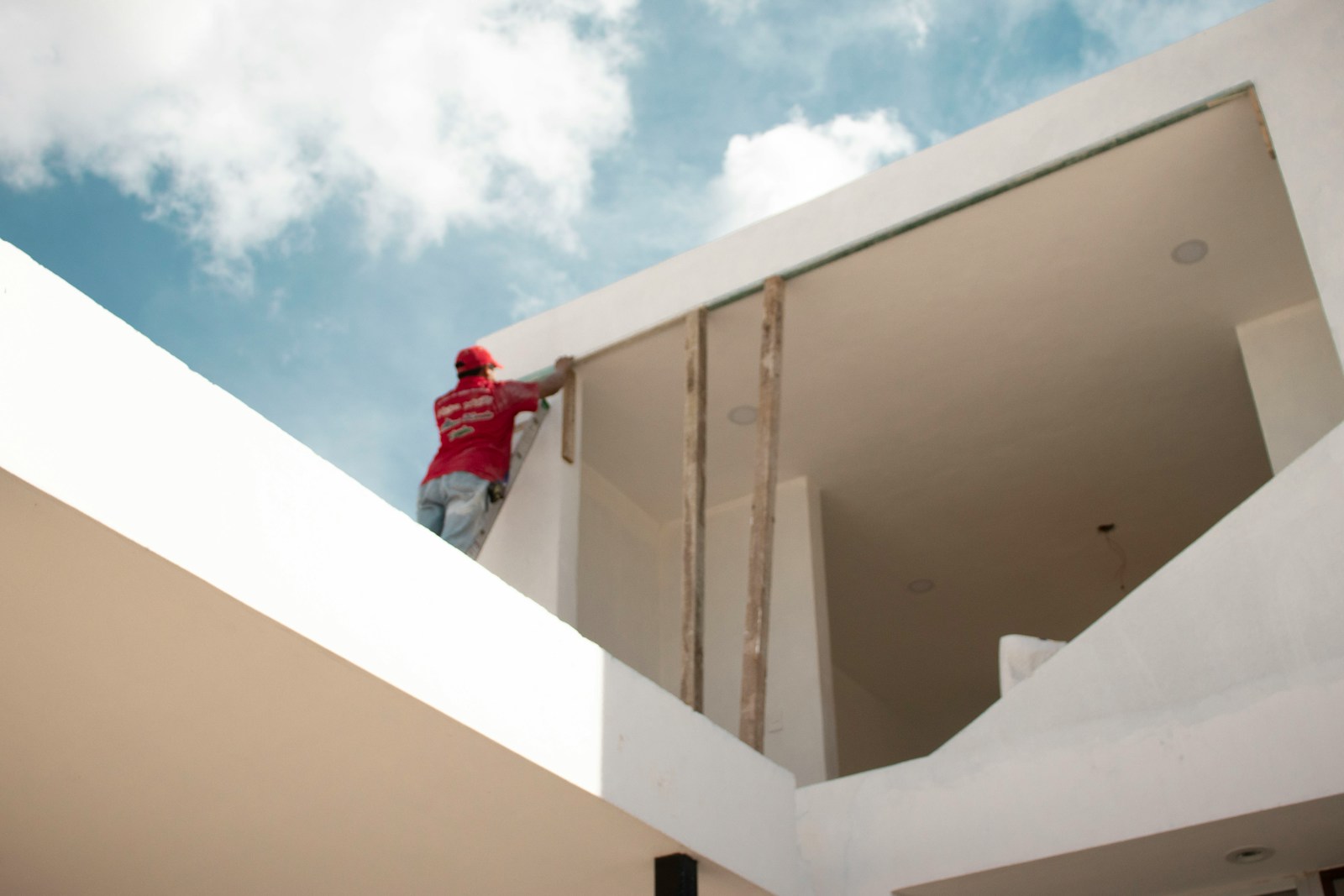
Test every window and door in the home, checking that they open, close, and lock smoothly without sticking or requiring excessive force. Misaligned doors or windows that don’t seal properly can indicate settling issues or installation problems that are typically covered under a builder’s warranty during the appropriate period. According to the 2-10 Home Buyers Warranty, most new home warranties include distinct coverage periods for different components, making it worth checking these details against your specific documentation.
Grading and Drainage Around the Foundation
Proper grading directs water away from the foundation, and builders are typically responsible for ensuring adequate drainage during the initial warranty period. Walk the full perimeter of the home after a rainstorm and look for any pooling water near the foundation, which can indicate a grading issue that should be addressed under warranty rather than becoming an expensive drainage or waterproofing project you pay for later.
HVAC System Performance in Every Room
Check that every room reaches a comfortable temperature relative to the thermostat setting, since uneven heating or cooling can indicate ductwork issues, inadequate insulation, or an improperly sized system, all of which may fall under warranty coverage if identified within the applicable window. Running the system through a full heating season and a full cooling season before any relevant warranty period expires gives you the best chance of catching seasonal performance issues.
Plumbing Fixtures and Water Pressure
Run every faucet, shower, and toilet in the home, checking for adequate water pressure, proper drainage, and any signs of leaks under sinks or around fixture bases. Inconsistent water pressure or slow drainage can indicate installation issues that are typically covered under a builder’s plumbing warranty, and catching these problems early, before the warranty period on workmanship or systems expires, avoids a costly out-of-pocket plumbing repair later.
Roof and Attic Condition
Have a professional inspect the roof and attic space for proper ventilation, insulation installation, and any signs of leaks or flashing issues before the applicable warranty period ends. Attic inspections in particular can reveal issues like inadequate ventilation that aren’t visible from the ground but can lead to moisture problems or reduced energy efficiency if left unaddressed, and many of these installation-related issues are covered under builder warranties during their respective terms.
Exterior Siding, Stucco, or Brick for Cracks
Walk the entire exterior and closely examine siding, stucco, or brick veneer for cracks, gaps, or separation from the structure, which can indicate settling or installation issues. Exterior cladding problems are often covered under a builder’s workmanship warranty during its term, but coverage typically doesn’t extend to normal weathering or wear that occurs after the warranty period, making early documentation important.
Driveway and Walkway Surfaces
Check concrete driveways, walkways, and patios for significant cracking, heaving, or settling beyond what’s typically expected from normal curing. Builders often provide limited warranty coverage for concrete flatwork during an initial period, and identifying problematic cracking while that coverage is still active can save a substantial repair or replacement cost later.

Electrical Outlets and Panel Function
Test outlets throughout the home, including GFCI outlets in kitchens, bathrooms, and other required locations, and have an electrician verify the panel is functioning correctly and labeled accurately. Electrical issues identified during the workmanship warranty period are typically the builder’s responsibility to correct, but once that window closes, any electrical problems become a homeowner expense.
Caulking and Sealant Around Windows and Doors
Inspect the exterior caulking around every window and door for cracking, shrinkage, or gaps that could allow water intrusion. This is a relatively minor item individually, but failed caulking that leads to water damage can become a much larger claim if it’s caught after the warranty period ends rather than during it, making this a worthwhile item to document early.
Structural Elements for Major Settling Issues
Structural warranties typically extend significantly longer than other coverage, often around a decade, specifically to cover major issues like foundation problems or load-bearing structural defects that can take years to become apparent. Periodically checking for significant new cracks in the foundation, noticeable floor slopes, or doors and windows that progressively stop closing properly over time helps ensure any genuine structural issue is caught and reported while that longer coverage window is still open.
Documentation of All Warranty Claims and Repairs
Keep a complete, organized record of every issue you’ve identified, every claim you’ve submitted, and every repair the builder has completed throughout the warranty period. This documentation is valuable not just for tracking outstanding issues before a deadline but also for future resale, since a clear repair history can reassure future buyers that issues were addressed properly under warranty rather than left unresolved.
Leave a Reply