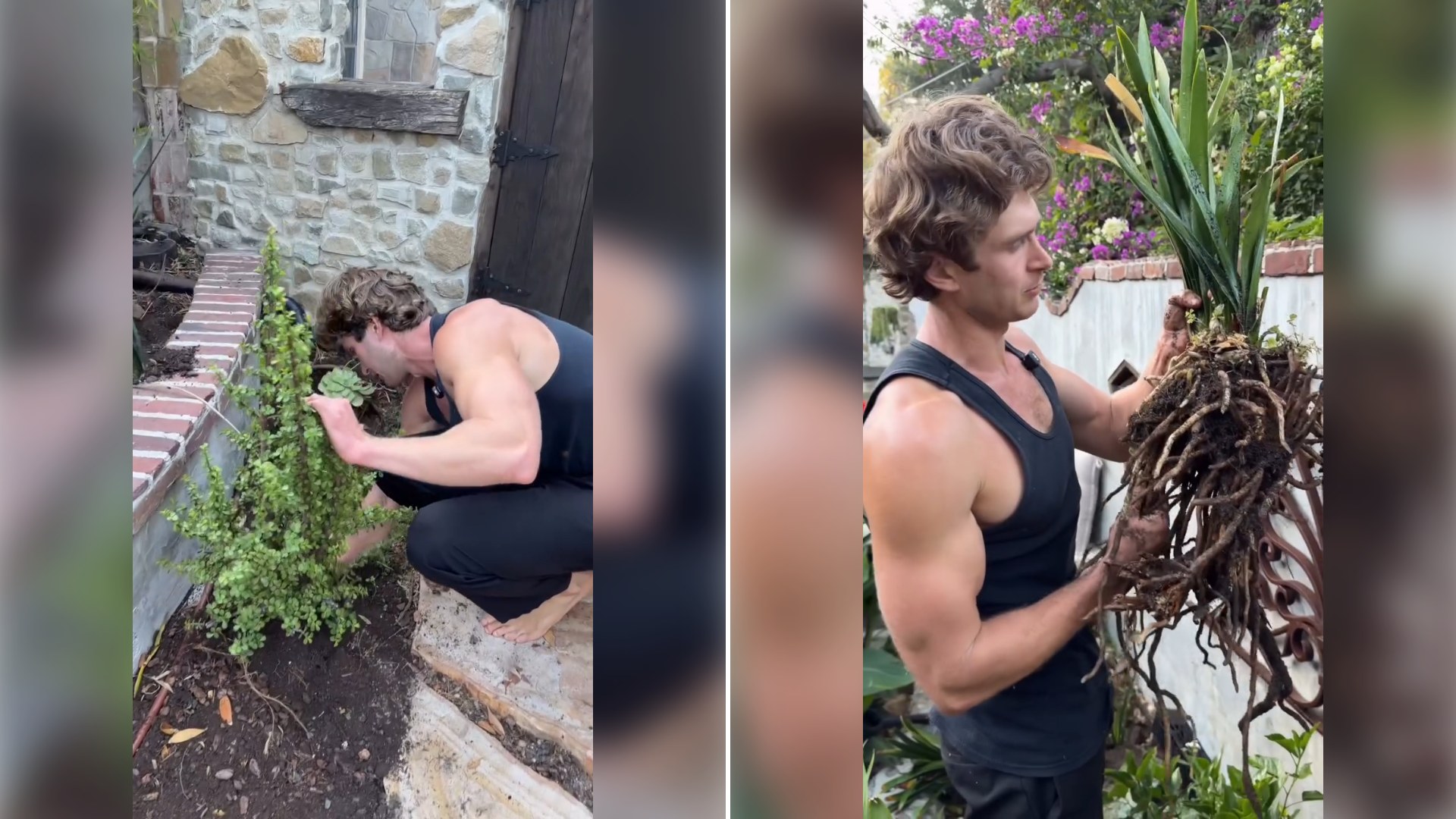
Not every real estate decision comes down to the numbers, and @thehhcastle (Instagram) makes that case as clearly as any video could. Gardening outside his own home, he explains exactly why he won’t sell, no matter what the property might fetch on the open market, because the garden surrounding it was planted by his late mother, and tending it has become his way of honoring her memory. “What would you do?” he asks viewers directly.
There’s a reason this kind of story resonates so deeply, cutting through the typically transactional framing that dominates most real estate content. Nearly every other video in this genre is built around price, appreciation, opportunity. This one deliberately rejects that framing entirely, insisting that some value simply can’t be captured in a listing price, no matter how generous the offer on the table.
Gardens occupy a particularly powerful place in how people process memory and grief, perhaps more than almost any other feature of a home. Unlike a photograph or a kept possession, a garden a loved one planted continues growing and changing, requiring ongoing care that keeps that person’s presence active and participatory rather than simply preserved, static, behind glass.
There’s something worth examining about how this kind of emotional attachment complicates the standard real estate advice most people receive, that a home is fundamentally an asset to be optimized, sold at the right time, leveraged for the best possible return. A garden planted by a deceased parent resists that entire framework, insisting that a home can hold value that has nothing to do with market conditions.
It’s worth considering, too, the specific labor involved in maintaining a garden someone else originally planted and designed. Unlike starting a new garden from scratch, tending an inherited one requires learning and respecting someone else’s choices, their plant selections, their layout decisions, their particular way of caring for the space, a kind of ongoing collaboration with someone who’s no longer there to consult directly.
This kind of content also speaks to a broader cultural conversation about what actually constitutes a “good” financial decision when emotional and financial considerations genuinely conflict. Plenty of advice columns and financial experts would likely encourage selling a property that’s receiving strong offers, but this video pushes back on the assumption that maximizing financial return should always be the deciding factor.
There’s also real vulnerability in the direct question posed to viewers, “what would you do?” rather than simply asserting his own decision as obviously correct. That openness invites genuine reflection rather than passive viewing, and it likely explains why this kind of video tends to generate such heartfelt engagement in the comments, viewers sharing their own stories of homes, gardens, and loved ones they’ve held onto for similar reasons.
There’s also a quieter environmental dimension worth noting here. An established garden, especially one that’s matured over years, represents genuine ecological value, soil health, established root systems, a mature landscape supporting local wildlife, that would simply be lost if a new owner cleared the lot for redevelopment, adding an unspoken ecological argument alongside the explicitly emotional one.
In the end, this story resonates because it reframes what a home is actually for. Not every valuable thing about a property shows up in an appraisal, and sometimes the most important reason to keep a house has nothing to do with the house itself, and everything to do with who helped make it home in the first place.
Leave a Reply