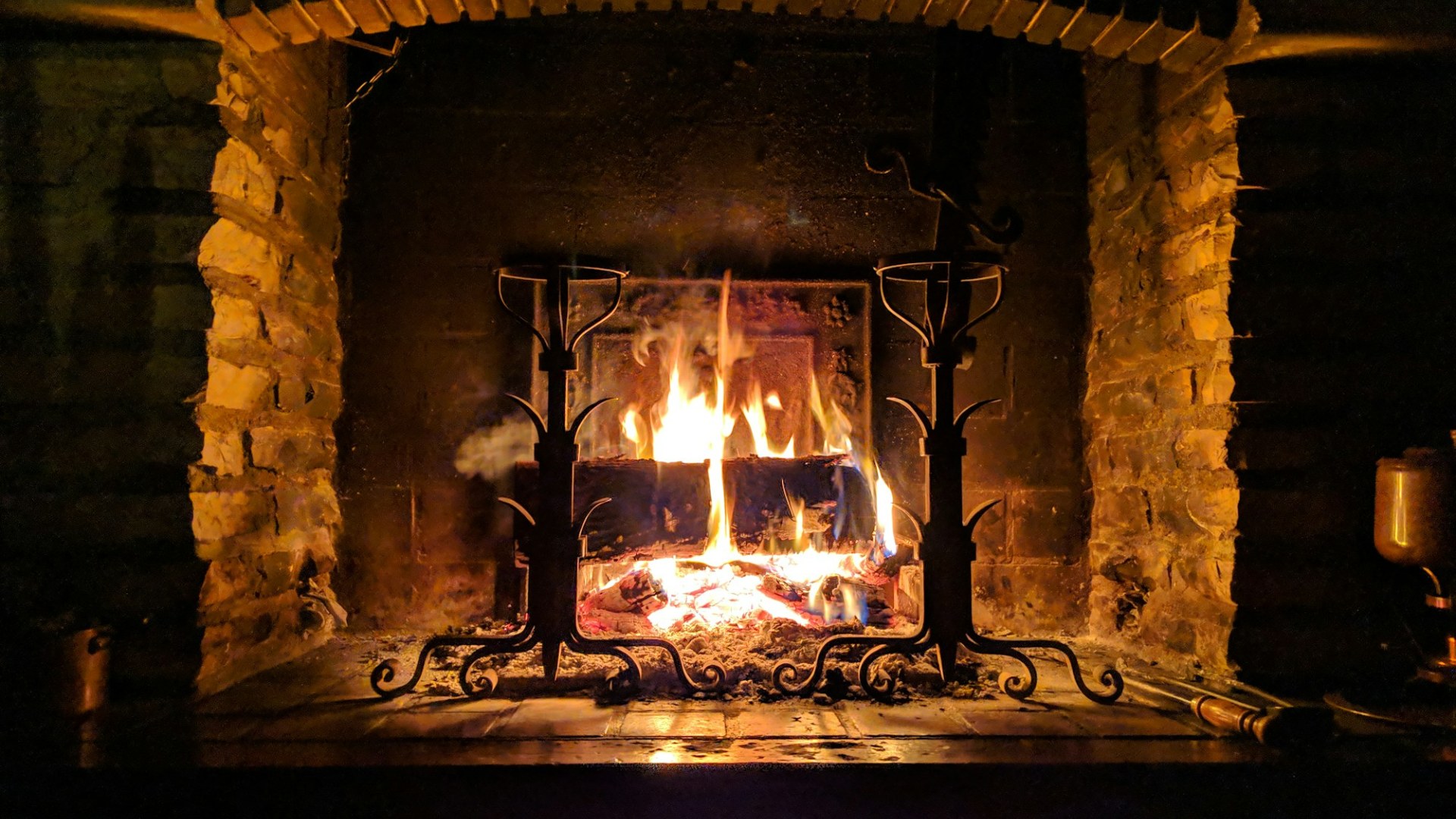
The U.S. Fire Administration estimates that fire departments responded to 27,900 home heating fires in 2023, and those fires killed 115 people, injured 525 and caused $488 million in damage. The figures come from the agency’s residential building heating fire trends page, last reviewed Feb. 14, 2025, which draws on reports that local fire departments file to the National Fire Incident Reporting System.
That total is well below the 47,600 heating fires the same page lists for 2014. The agency puts the ten year drop at 31 percent for fires and 44 percent for deaths, and it cautions that methods and definitions can change, so older estimates may not compare directly with newer ones.
Heating is still one of the leading ways a home catches fire. The agency’s heating fire safety page says heating was the second leading cause of home fires in 2021, with an estimated 32,200 fires, about 190 deaths and 625 injuries.
What the cause breakdown shows
The most detailed cause breakdown the U.S. Fire Administration has published is its Topical Fire Report on heating fires in residential buildings, released in December 2021 and covering 2017 through 2019. It found about 34,200 heating fires a year, with about 165 deaths, 600 injuries and $367 million in property loss. Heating accounted for 9 percent of all residential building fires, second only to cooking.
Most of those fires stayed small. Confined fires, meaning fires that stayed inside the equipment, were 77 percent of the total. Chimney or flue fires confined to the chimney were about 49 percent of all heating fires, and fuel burner or boiler malfunctions confined to the equipment were about 27 percent.
The fires that spread beyond the equipment point to behavior. In those, the agency found that misuse of a material or product was the leading factor category at 34 percent, followed by operational deficiency at 23 percent and electrical failure or malfunction at 21 percent. The single most common specific factor was placing a heat source too close to combustibles, at 27 percent. Structural components or finishes, such as walls and trim, were the first thing to ignite in 38 percent of them.
The report also lists the equipment involved in those spreading fires. Heating stoves were about 20 percent, heaters such as floor furnaces, wall heaters and baseboard heaters about 15 percent, water heaters about 12 percent and furnaces about 11 percent. One and two family homes accounted for 93 percent of heating fire deaths.
Portable heaters and the clock
Portable heaters are a small share of the fires and a large share of the deaths. The agency says they were about 3 percent of heating fires in 2017 through 2019 but 41 percent of the fatal ones. Its companion report on portable heater fires, also from December 2021, counted about 1,100 such fires and 65 deaths a year. Placing the heater too close to combustible objects was the factor in 48 percent, and 34 percent started in a bedroom. Smoke alarms were present in 41 percent of those fires in occupied buildings.
Timing matters too. The December 2021 heating report found that fires peaked in January, at about 20 percent of the yearly total, and that 29 percent happened between 5 and 9 p.m. The lowest stretch was 3 to 5 a.m., at about 3 percent.
What the agency tells households to do
The heating fire safety page gives a clearance rule that is easy to measure. It says to keep anything that can burn at least 3 feet from all heat sources, and it names fireplaces, wood stoves, radiators, space heaters and candles. It also says to turn space heaters off when leaving the room or going to bed, never to use an oven to heat the home, and to have heating equipment and chimneys cleaned and inspected each year by a professional. For cords, it says to check their condition, plug appliances in correctly and avoid extension cords on appliances.
For a homeowner, that translates into a short list before the first cold night. Walk through each room that has a heat source and measure 3 feet around it, moving couches, curtains, laundry racks and storage bins out of that space. Book the chimney and furnace inspection before the first fire of the season. Test the smoke alarm in every bedroom, because bedrooms were the most common place portable heater fires started.
A renter who is unsure who is responsible for servicing a furnace or fireplace can read the lease and the landlord tenant statute for the state, and can ask the landlord in writing for the date of the last inspection. Local fire departments and state fire marshal offices can answer questions about rules that apply where the reader lives.
Leave a Reply