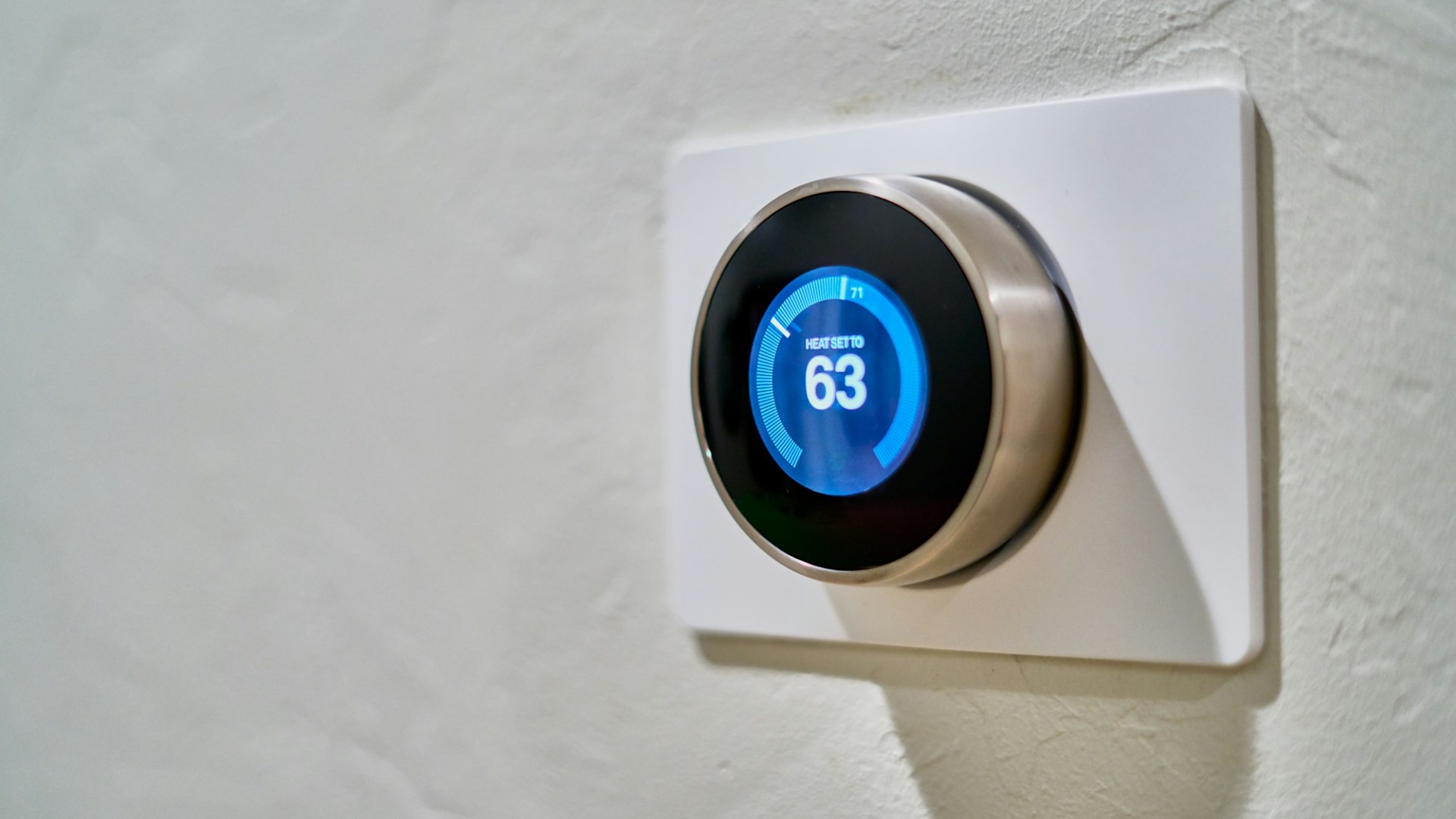
Households that heat with oil are facing the biggest jump this winter. According to the U.S. Energy Information Administration’s Winter Fuels Outlook, published October 6, 2026, the average household that uses heating oil as its main fuel is expected to spend $2,115 from November through March, a 21 percent increase from last winter. A household that heats with natural gas is expected to spend $640, a drop of 9 percent.
The agency built the forecast on its October 2026 Short Term Energy Outlook, which was completed on October 1. All of the figures are nominal, meaning they are not adjusted for inflation, and EIA assumes inflation of about 2 percent.
What each fuel is expected to cost
EIA lists these average expenditures per household for the five winter months, with the change from last winter.
Natural gas households are expected to spend $640, down 9 percent. Electricity households are expected to spend $1,196, up 4 percent. Propane households are expected to spend $1,246, down 3 percent. Heating oil households are expected to spend $2,115, up 21 percent.
The price assumptions behind those totals are 18.23 cents per kilowatt hour for electricity, up 3 percent, and $2.52 per gallon for propane, down 2 percent. EIA expects heating oil at $5.26 per gallon, up 34 percent, which it ties to rising global crude and distillate prices and low U.S. distillate stocks. Natural gas is assumed at $13.44 per thousand cubic feet, down 9 percent.
Use matters as well as price. EIA expects the average electric heating household to use 6,562 kilowatt hours, up 1 percent, the average propane household 494 gallons, down 1 percent, and the average oil household 402 gallons, down 9 percent. Oil households are using less fuel, yet the price increase still pushes their total up. Propane households in the Northeast are projected at $1,687, down 15 percent, on lower consumption and prices.
Where the weather matters
EIA’s base case assumes 3,155 heating degree days nationally, unchanged from last winter. The regions differ a lot. The agency expects the Northeast to be 12 percent warmer in heating terms, the Midwest 2 percent warmer, the South 1 percent colder and the West 25 percent colder.
That is why the same fuel can move in opposite directions by region. Natural gas households in the Northeast are projected to spend $879, down 14 percent, while those in the West are projected to spend $590, up 7 percent. Electric heating households in the West are projected at $1,151, up 9 percent, while the Northeast is projected at $1,637, down 3 percent.
EIA also runs side cases that make the whole country 10 percent colder or 10 percent warmer than the base case, and it notes that NOAA has identified a strong El Niño pattern that could cause large deviations from the forecast.
Who is affected
EIA counts about 61.0 million households that primarily heat with natural gas and about 57.9 million that primarily heat with electricity. Another 6.4 million use propane and 4.1 million use heating oil, a number EIA says is down 5 percent from last year. Heating oil is mainly used in the Northeast, so the 21 percent increase lands in a concentrated area.
What the Department of Energy suggests
The Department of Energy’s tips for saving on winter energy bills, published December 21, 2022 and updated December 7, 2023, are practical and mostly cheap. The agency says to seal gaps around windows with caulk, add weatherstripping to parts that move, and use window attachments to limit heat loss.
It says to check the filter on a central heating system monthly and replace it at least once every three months. It also says to heat the home only when people are there, using a programmable thermostat or adjusting it by hand when you leave for the day.
For homes with a ceiling fan, the department says to reverse the motor so it turns clockwise at low speed, which pushes warm air near the ceiling back down. The fan should be turned off when nobody is in the room. The article also points readers to CleanEnergy.gov for information on tax credits, rebates and other incentives for efficiency upgrades.
Steps before the first cold snap
Find out which fuel your home uses, then compare your last winter’s bills with the EIA figure for that fuel. If you use heating oil, the 21 percent increase is the number to plan around, and EIA’s regional tables show the Northeast figures for natural gas, electricity and propane as well.
Do the Department of Energy basics before the cold arrives, starting with the filter and the gaps around windows. For anything involving your lease, a delivery contract or an assistance program, check with your landlord, your fuel supplier or your state energy office. EIA’s next Short Term Energy Outlook is scheduled for November 10, 2026.
Leave a Reply