A creator is spreading the word about a little known government backed program that, under the right circumstances, lets qualifying buyers purchase an entire house or piece of land for just one dollar. In the video, she explains how the program works and makes the case that far too few people even know this kind of option exists.
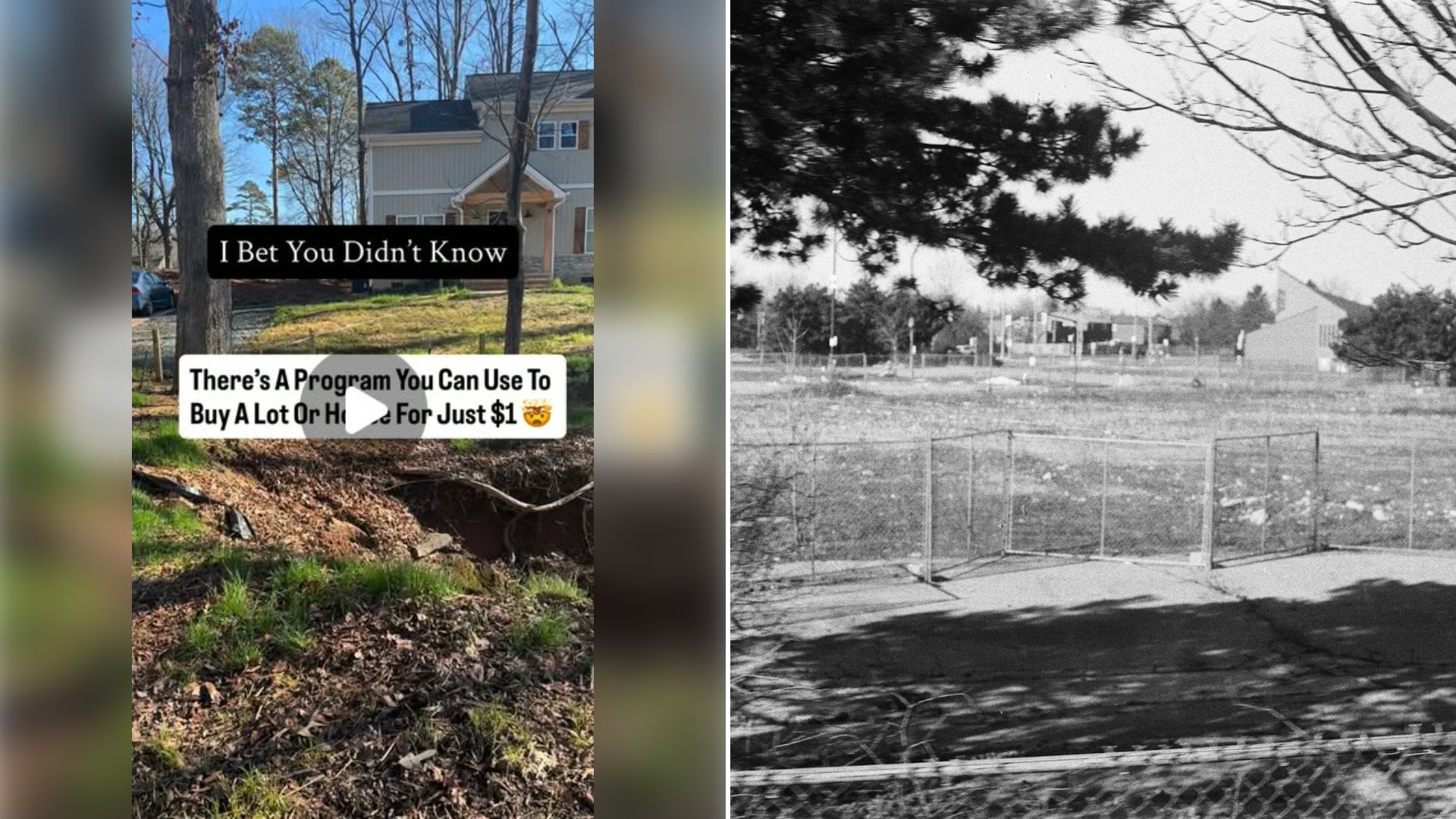
The explainer, posted by creator @sisshaneka, walks through the basic structure of dollar home and dollar land programs, which have existed in various forms across the country for decades, typically run by individual cities, counties, or federal agencies looking to return vacant or foreclosed properties to productive use rather than let them sit abandoned.
The best known federal version is the Good Neighbor Next Door program and the Department of Housing and Urban Development’s dollar home sale program, which allows HUD to sell certain single family homes that have been on the market unsold for an extended period to local governments for one dollar each, specifically so those governments can then use the properties for affordable housing initiatives. Separately, a number of individual cities and towns, often places that experienced significant population loss, have run their own dollar lot or dollar home programs aimed directly at buyers, usually requiring the recipient to commit to living in the home as a primary residence and bringing it up to code within a set timeframe.
Eligibility rules vary significantly depending on which specific program and location is involved. Common requirements include proof of income within a certain range, a commitment to owner-occupy the property rather than rent or flip it, and in many cases a renovation plan with a required completion deadline, since most of these properties are distressed or long vacant and need real work before they are livable. Participating cities have included various municipalities in the Midwest and Northeast that saw population decline over past decades, though availability shifts over time as local inventories of qualifying properties change and new municipal programs launch or wind down.
The core trade embedded in nearly every version of these programs is the same: an extremely low purchase price in exchange for a real commitment to renovate, occupy, and maintain a property that local governments would otherwise have to deal with as a liability. That is a very different proposition than simply buying a move-in ready home for a dollar, and prospective applicants need to budget for renovation costs, which in many cases can run into the tens of thousands of dollars depending on the property’s condition.
Even with those real strings attached, the existence of legitimate one dollar housing programs remains a surprise to most renters who assume affordable homeownership options like this are either urban myths or long since discontinued. For buyers willing to do the research into which programs are currently active in their area and take on a renovation project, it can be one of the lowest barrier entry points into homeownership still available anywhere in the country.
More from Willow and Hearth
- Federal Housing Finance Agency Raises the 2026 Baseline Conforming Loan Limit to $832,750 and Caps High Cost Areas at $1,249,125, Which Leaves Some Buyers Still Borrowing Jumbo
- Consumer Financial Protection Bureau Says to Compare Three Groups of Fees on Your Loan Estimate and Closing Disclosure Because Some Can Never Rise and Others Can Change by Any Amount
- National Association of Realtors Says the Typical First Time Buyer Is Now 40 Years Old and Puts Down 10 Percent, According to Its 2025 Profile of Home Buyers and Sellers
Leave a Reply