The letter arrived and, in his words, “messed my entire evening up.” A homeowner who goes by @davidwbroker says he opened a notice from his homeowners association telling him to remove grass and weeds from his landscaping beds, or else. He mows and weeds every two weeks, he says, “like clockwork.” So he sat down and wrote back.
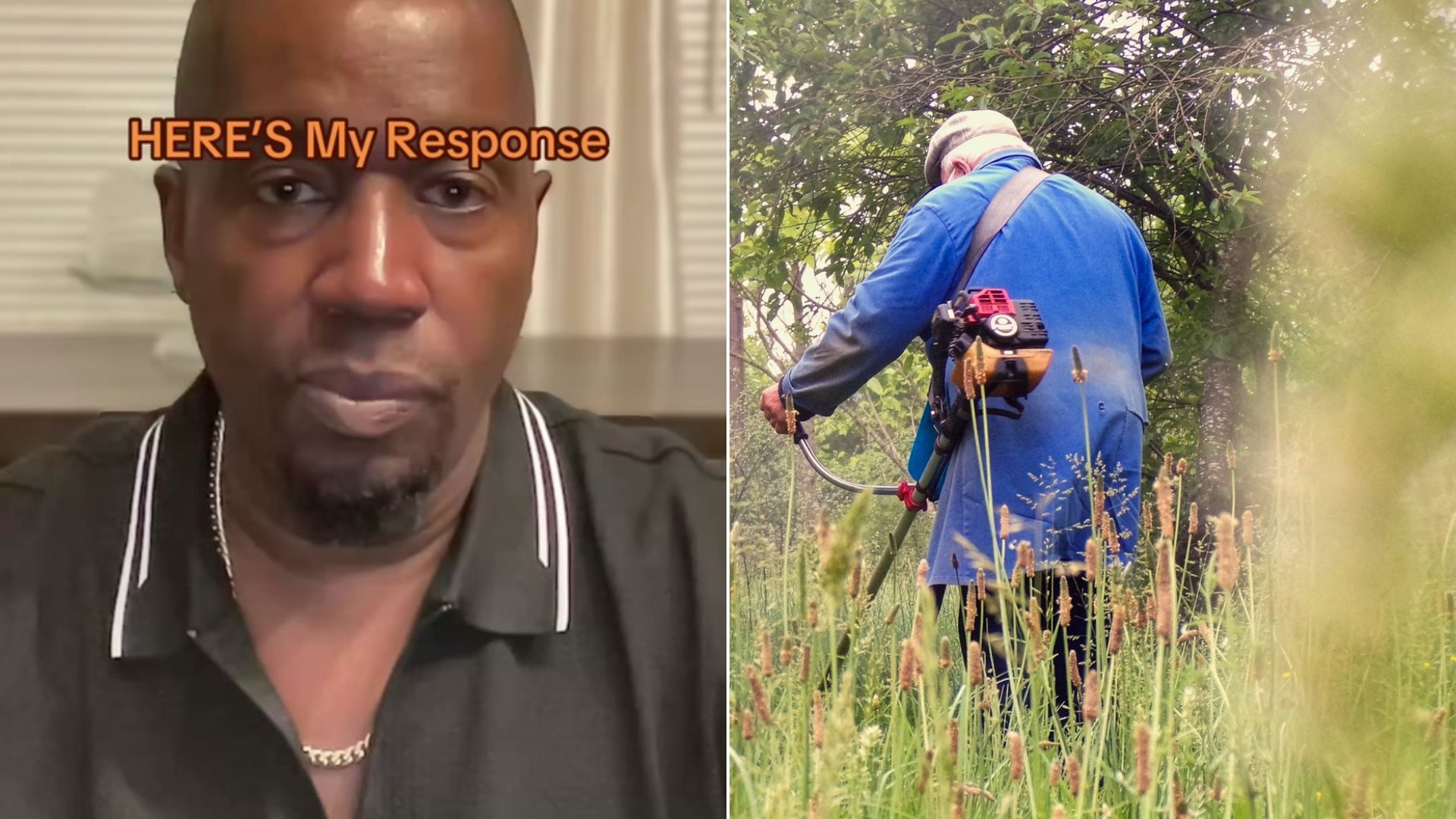
What makes this story worth a read is not just the complaint. It is how he answered it, because his reply is a pretty good model for anyone who gets a similar letter.
@davidwbroker
What the letter said
According to him, the notice said a violation was noted on October 12th, 2026, and demanded that he fix it within 10 days. If he did not, or if the problem came back within 12 months, the board reserved the right to impose sanctions after notice and a chance for a hearing.
The possible penalties he read out were steep: fines of up to $50 per day for continuing violations, or up to $250 per violation for non-continuous ones, plus the possibility of losing use of common amenities like the swimming pool and tennis courts. The letter also said the fines would be his personal obligation and could become a lien on his lot, citing the Georgia Property Owners Association Act. A $25 charge could also be added for any future letters sent by certified mail.
His answer
He says the thing that bothers him most is that associations get away with this kind of thing, but “they picked the right person.” His written reply did not shout. It laid out his position in plain steps.
First, he disputed the violation. He explained that he cuts and removes weeds every two weeks, that he inspected the property himself and did not see anything that violated the declaration, and that he would address anything that needed attention when he did his normal yard work that week. He made a point of stating that doing so was part of his usual routine and not an admission that any violation existed.
Then he asked for proof. He wanted:
- Dated photographs of the specific conditions cited. A picture of the front of his house, he said, would not be acceptable.
- The specific section of the declaration he was supposed to have violated.
- The name and role of the person who inspected his home on October 12th.
He also pointed out that, under the association’s own letter, sanctions can only be imposed after notice and an opportunity for a hearing. He reserved his right to that hearing, and he said he was challenging any fines, fees, or certified mail charges added to his account. He says he delivered the response by hand.
If you get a violation notice
You do not have to agree with his tone to learn from his method. Here is a sensible way to handle one of these letters.
- Do not ignore it. Deadlines in these letters are real, and ignoring one can let fines pile up. Mark the date on your calendar the day it arrives.
- Read your governing documents. Your covenants, bylaws, and rules say what is allowed, how violations are handled, and what steps the board must follow before fining you. Many states also have laws that require notice and a hearing.
- Ask for specifics. A vague letter is hard to answer. Ask for the exact rule, a date, a photo, and the name of whoever made the inspection.
- Take your own dated photos. Photograph your yard the same day you receive the letter, and keep taking them. Pictures with a date stamp are your best evidence.
- Respond in writing. Phone calls disappear. A letter or email creates a record. If you can, send it by certified mail or deliver it by hand and ask for a signature or take a photo of the delivery.
- Request the hearing. If the letter says you can have one, ask for it in writing. In many associations, fines cannot be charged before one is offered.
- Keep it civil. A firm, polite letter is harder for a board to dismiss than an angry one.
- Know when to get help. If a lien or large fines are threatened, a short consultation with a real estate or HOA attorney is usually cheaper than a long fight.
Why the details matter
Notice what his letter does. It does not argue about whether the neighborhood should have rules. It asks the association to follow its own rules. Show me the picture, show me the section, tell me who looked, and let me have my hearing. Those are reasonable questions for any homeowner to ask, and many boards will back down quickly when the paperwork behind a complaint is thin.
It is also worth remembering that these letters are often generated in bulk by a management company driving through the neighborhood. That does not mean a complaint is always wrong. Sometimes there really is a patch of weeds. But a calm request for details can separate a real problem from a mistake.
His position is simple: he keeps up his yard, and he wants the board to prove otherwise before he pays a penny. We do not know how the association answered, and we will not guess. But anybody who has ever opened one of these envelopes will understand why he sat down at the kitchen table.
More Stories You May Like
- Former Landlord Says In Some Places Your Security Deposit Is Supposed To Earn Interest, And Tenants Who Never Asked Have Been Leaving Money Behind
- Realtor Is Getting Her Own Home Ready To List In 90 Days Even Though She Is Not Selling, And Her Day One Look At What Buyers Really Want Is Worth Watching
- Couple Bought 10 Acres of Land and Ended Up in a Fence War With the Neighbor That Is Now on Part Seven, and Their Advice to New Landowners Is Simple
Leave a Reply