It often starts small. A fence that seems a few inches too far over, a tree whose branches hang across the yard, a shed that may or may not sit on the right side of the line. Then come the pointed comments over the hedge, a letter, maybe a lawyer. Neighbor disputes over fences, trees and property lines have a way of growing from irritation into years of bad feeling, and the legal bills can swallow far more than the strip of lawn anyone was fighting over.
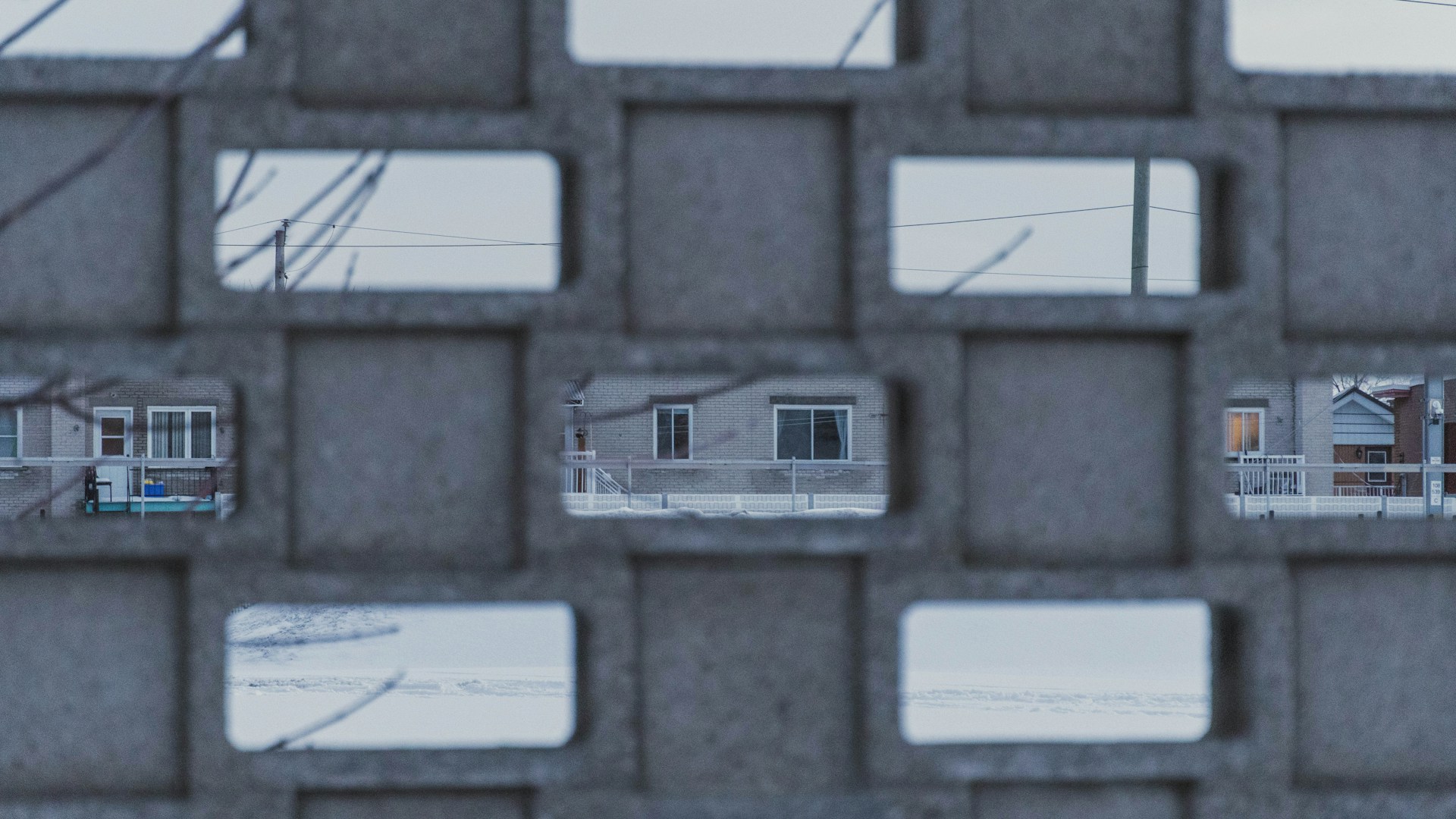
The better news is that most of these fights can be settled without a courtroom. A survey, a calm conversation, a written agreement and, when needed, a mediator can resolve a surprising number of them for much less money and much less stress. Here is how disputes escalate, and the steps that can keep yours from getting there.
How Little Problems Become Big Ones
Property disputes tend to be personal because they involve your home. Each side often believes it is clearly right, and each side may be relying on a different assumption: an old fence that everyone treated as the boundary, a verbal agreement with a previous owner, or a rough guess about where the line runs.
Things escalate when people stop talking and start acting. One neighbor builds, removes or trims something without discussing it. The other responds with anger, a complaint to the city or a threatening letter. Both dig in. At that point, the original question can get lost in the argument, and settling it gets harder and costlier.
Laws on fences, boundary trees and property lines differ by state and by city, so what is true in one place may not hold in another. Keep that in mind throughout, and check the rules where you live.
Step One: Talk First
Before anything formal, speak with your neighbor in person, in a friendly tone, at a calm moment. Lead with curiosity instead of accusation. Something like, “I noticed the fence and wanted to understand where the line is, can we figure it out together?” goes a lot further than a demand.
Listen to their view. They may know something you do not, such as a past agreement or a survey they once had done. Even if the talk does not settle things, you will have shown good faith, and that matters if the dispute goes further. Keep notes on what was said and when.
Step Two: Get a Survey
When the question is where the line actually is, guessing is the most expensive option. A licensed land surveyor can measure and mark your property’s boundaries based on legal descriptions and records. A survey replaces arguments with evidence, and it often ends the dispute on the spot, because both sides can see where the line runs.
Look at your closing papers, since you may already have a survey from when you bought the home, though older ones may be out of date. If you hire a surveyor, ask what they will mark, how the findings will be documented and whether they set physical markers at the corners. Some neighbors agree to split the cost, which can be a good gesture and keeps both sides invested in the result.
Step Three: Put the Agreement in Writing
If you and your neighbor reach an understanding, write it down. Spoken agreements fade, and memories differ, and a new owner next door may not honor anything that was never recorded. A written agreement can cover who owns or maintains a fence, how costs will be shared, what will happen with a tree or shed, and what each side will do if a problem comes up later.
Keep it clear and simple, signed and dated by everyone involved, and keep copies. For anything that affects the property itself, such as a boundary change or an easement, ask a real estate attorney how it should be done and whether it needs to be recorded with the local government. The rules for that vary by state, so get advice for your area.
Trees Deserve Special Care
Trees cause some of the most heated fights because they grow, drop limbs and spread roots, and the rules about them vary widely. Who owns a tree on the boundary, whether you may trim branches that cross the line, and who is responsible when a tree causes damage all depend on your state and sometimes your city. Cutting or heavily trimming a tree without checking can create liability, especially if the tree is not entirely yours or the work harms it.
Before you grab a saw, check local rules, talk with your neighbor and consider asking a certified arborist for an opinion. If a tree looks dangerous, tell your neighbor in writing and keep a copy, with photos.
Step Four: Try Mediation
If talking does not work, mediation is often the next best step before court. In mediation, a neutral trained person helps both sides discuss the problem and look for a solution they can both live with. The mediator does not decide who wins. Many communities have low cost or free mediation programs, sometimes run through courts, local governments or nonprofit groups. Ask your city or county where to find one.
Mediation tends to be faster and less costly than a lawsuit, and it can help neighbors keep a workable relationship, which is no small thing when you will live next to each other for years. Agreements reached this way can often be written down and signed.
Know When to Call a Professional
Some situations call for a lawyer: a neighbor threatens legal action, a structure may sit on the wrong side of the line, or someone claims a right to use part of your land. A local real estate attorney can explain how your state treats boundary disputes and what your rights are. Even a short consultation can help you decide whether to push back or compromise, and it can help you avoid a mistake that is expensive to undo.
Protect Your Peace and Your Wallet
Court should be the last resort, not the first move. Talk first, get a survey if the line is in question, put any agreement in writing, look into mediation, and learn what your state’s rules say about fences and trees. Keep your tone calm and your records tidy. Most of the time, that is enough to turn a fence fight into a handshake, and to save you from paying more to win an argument than the argument was ever worth.
More Stories You May Like
- Home Inspector Checking a Railing Pulled Out a Voltage Tester and Found a Live Electrical Wire Where No Homeowner Would Ever Expect One, and Electricians Are Stunned
- Handyman Shuts Down His Business After Five Years and Hundreds of Jobs and Shares What He Learned
- Gardening Fix After an HOA Violation Shows How One Homeowner Solved It Without Paying a Fine
Leave a Reply