Grief is hard enough on its own. A Brooklyn woman who posts as @username76673628216389 says that just 10 days after her mother died, she came home to find the locks on the apartment changed, with her belongings, her mother’s lifetime of possessions, and her two cats still inside. “STORY TIME… because I still can’t believe this happened,” her caption begins.
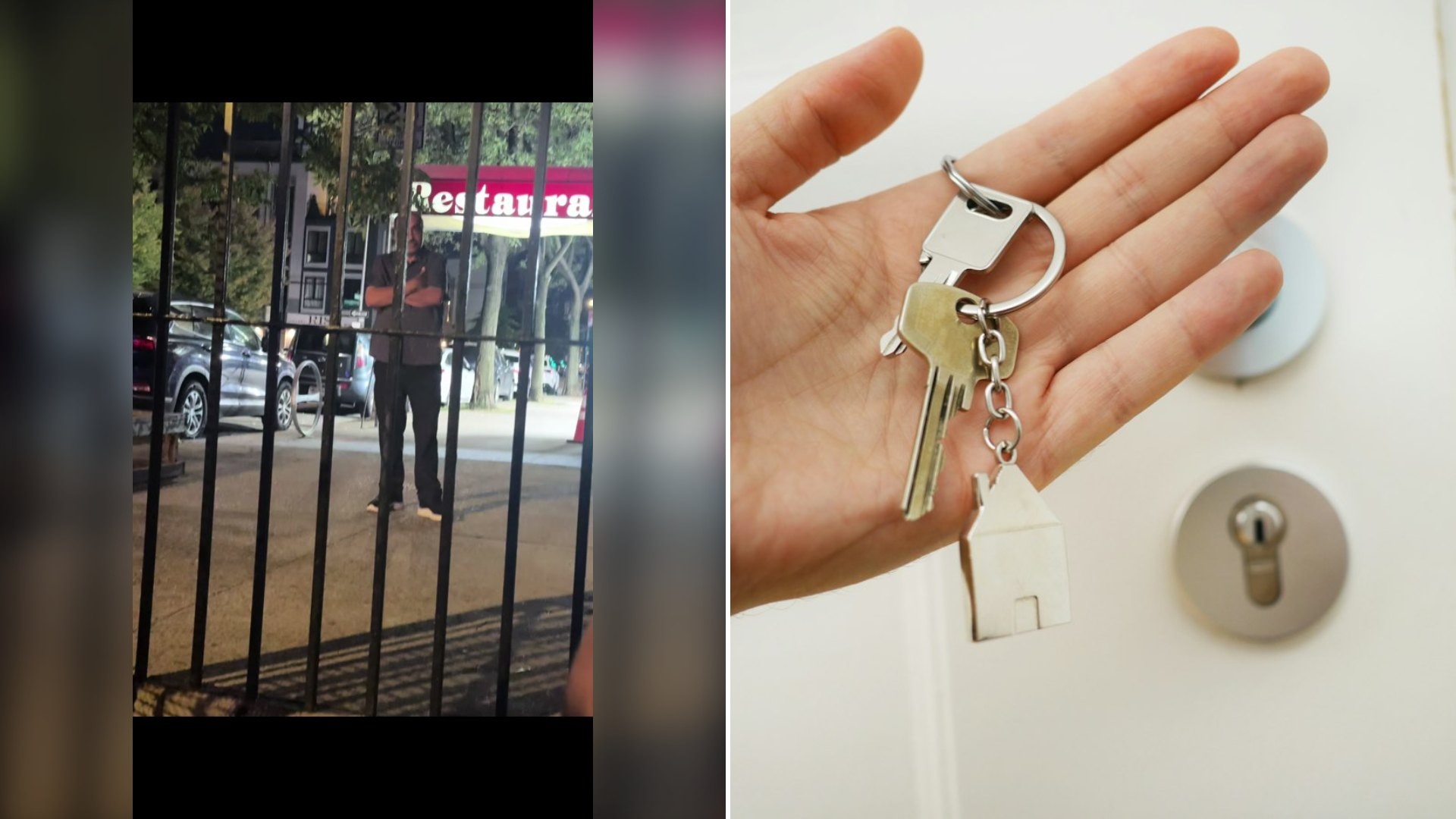
She says she has proof she lived there. What she does not have, she says, is a way back in.
Forty-Five Years of Memories Behind a New Lock
According to her caption, her mother passed away on September 21, 2026, after living in the apartment for about 45 years. “Forty-five years of memories, belongings, documents, furniture, family history, and a lifetime of things inside that home,” she writes.
Ten days later, she says, the landlord changed the locks while she was out. “No warning. No court papers. No eviction order. No opportunity for me to collect my belongings.”
Then came the part she calls “even more heartbreaking.” Her two cats were still inside. She says she immediately asked to be let in to feed and care for them and was refused. “I was literally being told I couldn’t get into the apartment where my own property was still located — while my animals were trapped inside,” she writes.
She says she was also told the apartment was “empty,” a claim she finds hard to believe. “An apartment where my mother had lived for 45 YEARS was supposedly empty?” she writes, noting that her mother’s furniture, personal possessions, and family memories were all still there.
“My mother had just passed away, and instead of being given time to deal with her belongings and address the tenancy properly, the locks were changed and I was shut out,” she writes. She describes the apartment as her lifelong home and has publicly appealed to city leaders for help getting back in. Her post is tagged with the Bushwick neighborhood of Brooklyn.
@username76673628216389
What New York Law Says About Lockouts
In her caption, she points to a rule that New York’s court system explains to tenants: a person who has lawfully occupied an apartment for at least 30 days generally cannot be locked out without a court order and a warrant of eviction. That is accurate. Under New York law, removing an occupant by changing the locks, removing their belongings, or cutting off essential services without going through court is an unlawful eviction, and it can bring civil penalties and even criminal charges.
The protection applies to occupants, not just to the person whose name is on the lease. Whether she ultimately has the right to stay long term is a separate question, one that would be decided in court. But the process matters. A landlord who believes an apartment should be returned typically needs to bring a case and win it before taking possession. And when a tenant dies, the lease and the belongings inside do not simply vanish. The landlord generally still has to go through legal channels, and the deceased tenant’s property belongs to her estate.
In rent-stabilized and rent-controlled apartments, certain family members who lived with the tenant as their primary residence may also have succession rights to take over the lease. The rules are detailed: the family member generally must have lived there for at least two years before the tenant died or left, or one year if the family member is a senior or has a disability. It is not clear from her post whether the apartment is rent regulated, but anyone in a similar situation should find out.
What to Do if You Are Locked Out of Your Home
A lockout can happen to anyone, including adult children caring for aging parents and spouses or relatives who share a home with the leaseholder. If it happens to you or someone you love, act quickly.
- Call the police. In New York City, police can respond to an illegal lockout, and you can also report it through 311. Bring proof you live there.
- Gather proof of residency. Mail addressed to you at the apartment, a driver’s license or state ID, bank statements, voter registration, and utility bills all help show you lived there for more than 30 days.
- Go to Housing Court. In New York City, occupants can file an illegal lockout case asking a judge to order them restored to the apartment. Courts treat these cases as urgent.
- Get free legal help. Many New York City tenants facing eviction cases qualify for free legal representation, and legal aid groups across the state assist with lockouts.
- Speak up for pets. If animals are trapped without food or water, tell responding officers right away and contact animal welfare authorities.
- Protect estate property. If a parent has died, contact an estate attorney or the Surrogate’s Court about getting authority to handle their belongings and lease.
- Keep everything in writing. Save texts, photos of the new lock, and notes about every conversation.
For families, this story is also a reminder to plan ahead. If an adult child or relative lives with an aging parent who rents, make sure their residency is documented, keep copies of the lease, and know whether the apartment is rent regulated. Those papers can make all the difference in a crisis.
For this daughter, the hope is simple: to get back into the home she shared with her mother and to be with her cats again.
More From Willow and Hearth
- Former Landlord Says In Some Places Your Security Deposit Is Supposed To Earn Interest, And Tenants Who Never Asked Have Been Leaving Money Behind
- Arizona Legislature Chapter 69 Lets Owners Seek a Court Order Against Strangers Living in a Home, but Only When Nine Conditions All Apply to the Occupant
- Creator Visits a Mother and Son Inside Their Home and Documents the Unsanitary Conditions the Family Says They’ve Been Forced to Live In
Leave a Reply