“I just bought my first house at 22 years old.” That is how @jadencoyer_ opens his video, and he sounds every bit as proud as he should. After months of house shopping, his caption says, “we landed on the perfect one.” Then he walks through the empty rooms of his new four bedroom, three bath home, and it quickly becomes clear that every room already has a plan.
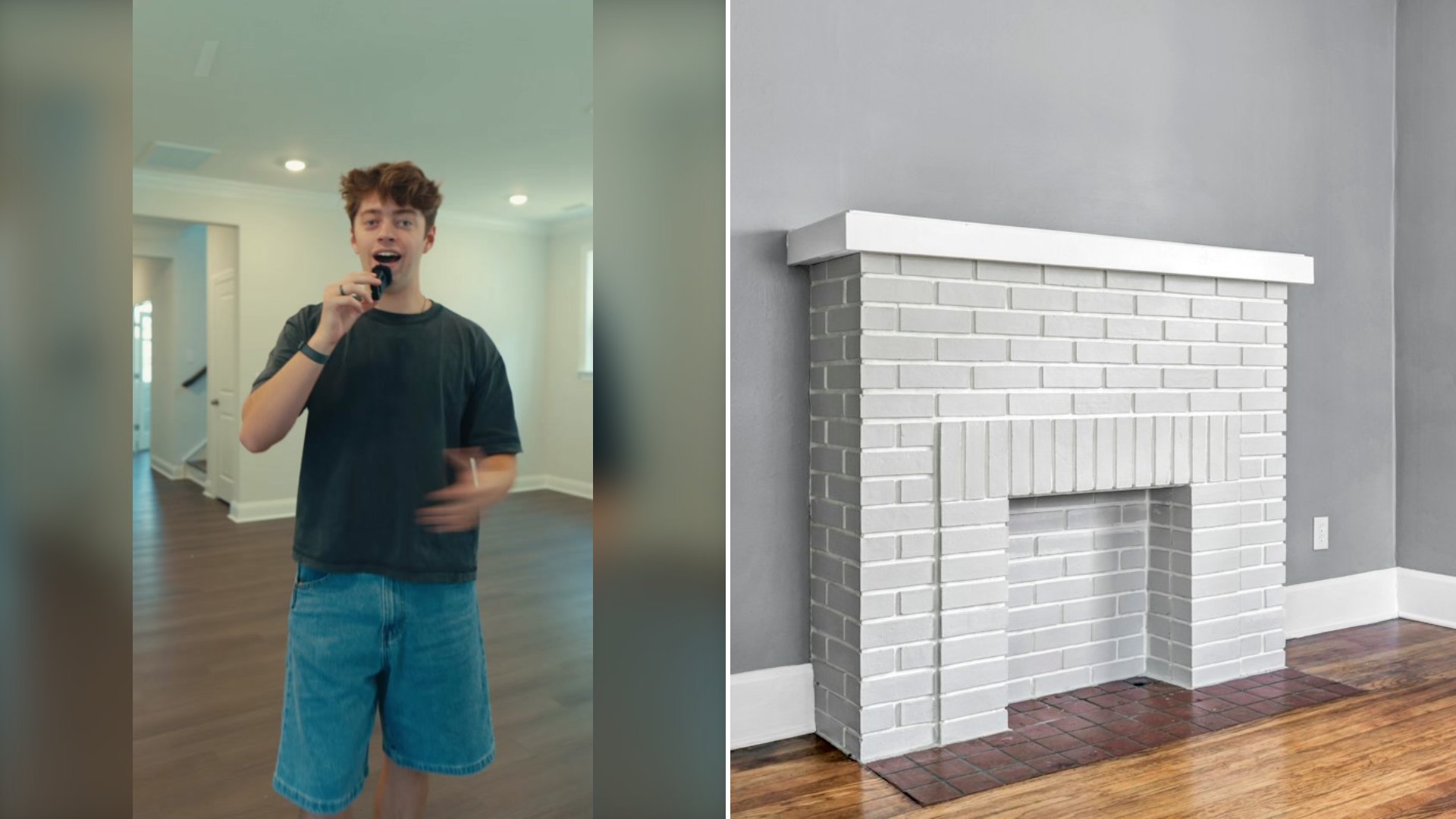
The house comes in just under 2,600 square feet. He says he wants to show what it is, why he bought it and how he plans to furnish it.
Right inside the front door is a guest room, which for now will work purely as storage. To the left is his office, where he plans to set up his workspace with bookshelves and storage for crafts and creative projects.
The living room is next, and he already has a vision: a massive TV, an entertainment stand and a large L-shaped couch. The kitchen features what he calls a massive pantry, along with a small dining area and a screened-in porch.
A Room for Every Hobby
Upstairs is his favorite spot, the loft. He admits he has no idea yet how to decorate it and invites suggestions in the comments.
The second bedroom will become his sim racing and gaming room. The third bedroom will hold his gear, editing station and lighting. He says he decided to keep those two setups in separate rooms so each one can have its own theme. He chose the editing room for its natural light, which he says he is a huge fan of.
Finally, there is the primary bedroom. What excites him most there is simple: “I’m really just excited to be able to separate where I work from where I sleep.” He says he plans to document the whole journey of turning the house into a home.
@jadencoyer_
Buying a First Home Young
For many people who bought their first homes decades ago, buying at 22 was not unusual. Today it is far less common, as higher prices and interest rates have pushed the typical first-time buyer’s age well into the 30s. That makes a story like this one stand out.
Whether you are a young buyer or a parent or grandparent helping one, these steps can make a first purchase smoother:
- Check credit early. A better credit score can mean a lower interest rate, which can save tens of thousands of dollars over the life of a loan. Start reviewing credit reports months before shopping.
- Get preapproved. A lender preapproval shows what you can borrow and makes your offer more serious to sellers.
- Explore first-time buyer programs. FHA loans allow down payments as low as 3.5 percent for qualified buyers, and some conventional loans allow as little as 3 percent. Many states and cities also offer down payment assistance.
- Budget beyond the mortgage. Property taxes, homeowners insurance, utilities, maintenance and possible HOA dues all add up. A common rule of thumb is to set aside 1 to 2 percent of the home’s value each year for upkeep.
- Keep an emergency fund. Water heaters, roofs and air conditioners do not wait for a convenient time to fail.
- Always get an inspection. Even if the house looks perfect, a professional inspection can uncover costly problems before closing.
Young buyers should also think about how long they plan to stay. Buying and selling a home both come with real costs, including agent commissions, closing costs and moving expenses. Many advisers suggest buying only if you expect to stay at least several years, giving the home time to build equity and cover those costs.
Smart Ways to Furnish a Big Empty House
One of the surprises for first-time owners is just how much space there is to fill. A four bedroom house can swallow a small apartment’s worth of furniture in a single room. His plan to use the guest room for storage at first is a smart one.
A few tips that help new owners avoid stress and debt:
- Furnish in phases. Start with the rooms you use every day, like the bedroom and living room, and fill the rest over time.
- Avoid big purchases right before closing. Opening new credit or financing furniture before the loan closes can affect approval. Wait until the keys are in hand.
- Shop secondhand. Estate sales, thrift stores and online marketplaces often have sturdy, well-made furniture for a fraction of retail prices.
- Measure first. Before buying that large sectional, measure the room, the doorways and the stairs.
- Plan home offices carefully. If you work from home, think about lighting, outlets and internet coverage in the room you choose. Natural light, as he points out, can make a big difference.
His excitement about separating work from sleep is something many remote workers understand. Having a dedicated office with a door can make it easier to focus during the day and fully switch off at night.
Plenty of homeowners will remember the feeling of standing in an empty house for the first time, picturing where everything will go. For this young buyer, the pantry is big, the rooms are spoken for and the only open question left is what to do with the loft.
More From Willow and Hearth
- Inspector Says He Could Pull Loose Bricks Right Off the Sill of a New Build Then Asks What You Think of a Kitchen in a Closed Off Far Corner
- Handyman Shuts Down His Business After Five Years and Hundreds of Jobs and Shares What He Learned
- Pulte New Construction Inspection Shows a Very Different Experience Than the Inspector Expected
Leave a Reply