A lease can be dozens of pages long, but according to a California tenant attorney, one of the most important protections a renter has is not written in it at all. In an episode of her series “The ABCs of Tenant Rights,” @tenantrightslawtina opened with a striking statement: “The number one thing that we sue landlords for is for breaching the implied warranty of habitability.”
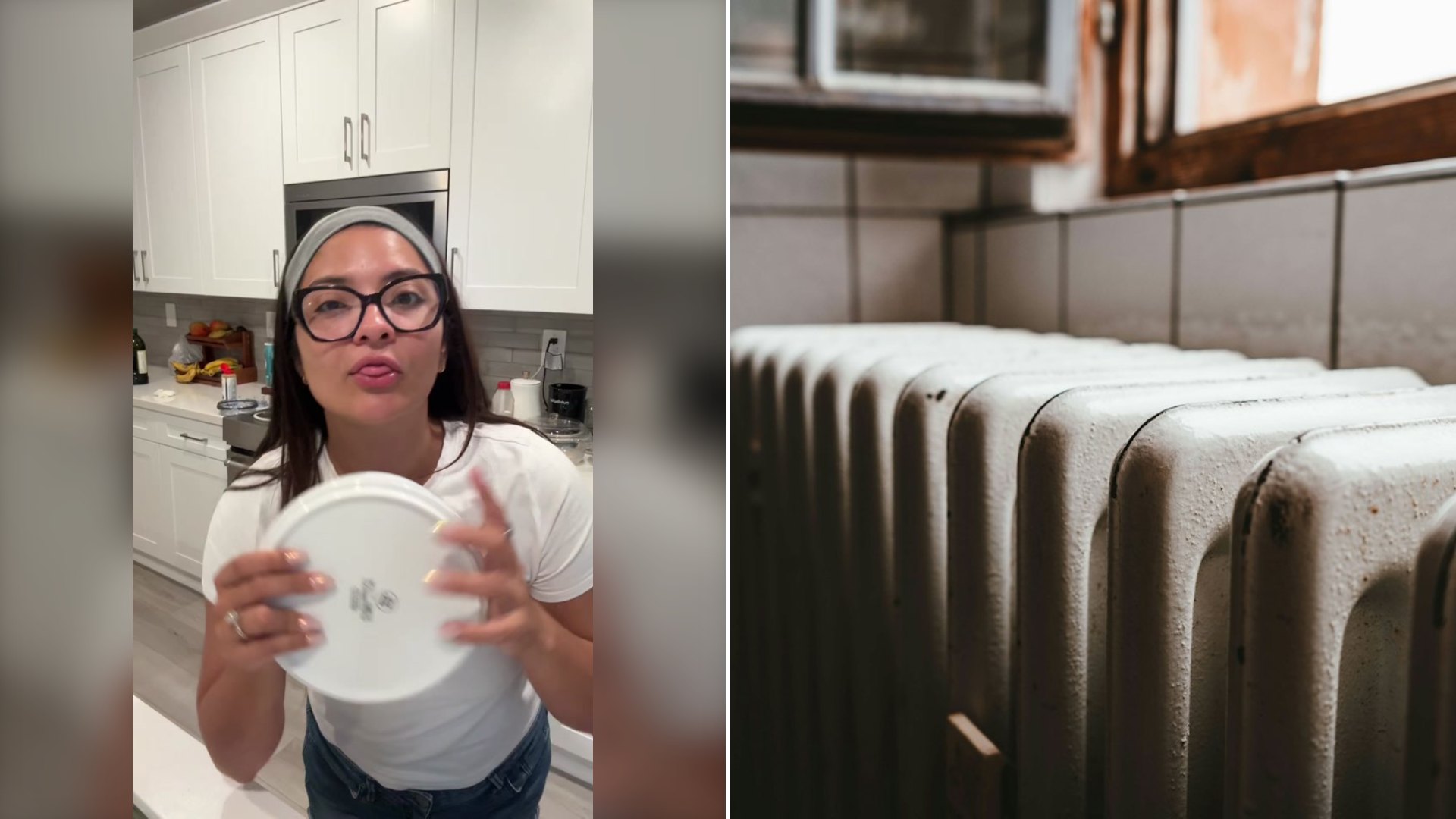
Her caption labels it “B is for breach,” and she explains the idea in plain language. The warranty of habitability covers “just the basics,” she says: running water, hot water, a heater, working plumbing and electricity.
The key word is “implied.” It does not have to appear anywhere in your lease. “It’s implied because it doesn’t matter what your lease says, no matter what your landlord says,” she explains. “You cannot waive this right.”
A Right You Cannot Sign Away
That last point surprises many renters. Some leases, or some landlords, try to shift basic responsibilities onto the tenant. She gives examples of the kinds of claims a landlord might make, such as saying they are not responsible for providing heat, working electricity or proper plumbing.
Her answer is direct: “That’s not enforceable.”
If a rental does not meet these basic requirements, she says, that is a breach of the warranty of habitability, “and that’s typically what we sue landlords for.” In her caption she adds that the warranty is implied in every lease, whether the landlord wants it there or not.
She also adds an important caution. Laws vary a lot by city, county and state, she notes, so it is extremely important to consult an attorney in your area. Her caption labels the video educational, not legal advice.
@tenantrightslawtina
What Habitability Usually Covers
Nearly every state recognizes some form of the warranty of habitability, either through court decisions or written law. The details differ, but the core idea is the same: a landlord must provide a home that is safe and fit to live in.
In California, state law spells out a list of basic standards for rental housing. Along with the essentials she mentions, it includes things such as effective weatherproofing of the roof and walls, unbroken windows and doors, a building kept reasonably free of rodents and pests, safe floors and stairways, and adequate trash containers. California law also generally treats lease clauses that try to waive these rights as void.
Habitability is about serious conditions, not cosmetic ones. Dated carpet or a scuffed wall usually does not qualify. No heat in winter, no hot water, a backed-up sewer line, exposed wiring or a pest infestation usually do.
What to Do if Your Rental Is Not Livable
If you, a parent or an adult child is renting a home with a serious problem, these steps can protect you, wherever you live.
Notify the landlord in writing. Describe the problem, when it started and how it affects you. Email, a letter or a tenant portal all create a dated record. Keep copies.
Document everything. Take photos and videos, save repair receipts, and note every conversation, including dates and names.
Give a reasonable chance to fix it. Landlords are generally allowed a reasonable time to make repairs, which depends on how serious the issue is. A lack of heat in freezing weather calls for faster action than a slow drain.
Call local code enforcement. City or county housing inspectors can visit, document violations and order repairs. Their report can be powerful evidence later.
Learn your local remedies before acting. Some states, including California, allow a “repair and deduct” option under specific limits, and some allow rent to be withheld or reduced in certain circumstances. These rules are strict. Doing it incorrectly can lead to an eviction case, so get advice first.
Know that retaliation is often illegal. Many states, California among them, protect tenants from rent hikes, reduced services or eviction threats made in response to a good-faith repair complaint.
Get legal help. Legal aid organizations, tenant unions and local bar association referral services can connect renters with free or low-cost advice. Many tenant attorneys offer free consultations.
Check before you sign. The easiest problem to solve is the one you catch before moving in. On a walk-through, run the hot water, turn on the heat and air, flush the toilets, test the outlets and look under sinks for leaks or droppings. Write down anything wrong, take dated photos, and ask the landlord to list needed repairs in the lease or a signed move-in checklist.
Why This Matters for Older Renters
More adults over 50 are renting than in years past, whether by choice after downsizing or because of rising home prices. Heat and hot water are not small conveniences for older renters. For someone with health conditions, a broken furnace or failed water heater can become dangerous quickly.
That is why her message is worth remembering. No matter what a lease says, and no matter what a landlord claims, the basics are not optional. Running water, hot water, heat, plumbing and electricity come with every rental. As she puts it, you cannot sign that right away, even if someone asks you to.
More From Willow and Hearth
- Former Landlord Says In Some Places Your Security Deposit Is Supposed To Earn Interest, And Tenants Who Never Asked Have Been Leaving Money Behind
- Small Landlord With Just Nine Units Says More Than Half His Tenants Have Stopped Paying Rent and He May Have to File Five Evictions at the Same Time
- Federal Rules Tell Mortgage Servicers to Work With the Relative Who Inherits a Home After the Borrower Dies, and the CFPB Defines Who Counts as a Successor in Interest
Leave a Reply