Her best friend did one simple thing: she decided not to re-sign the lease on the New York City apartment she had held for about three years. What followed, says @kaylendoesstuff, was a month of public meltdown videos and a GoFundMe from the subletter living there, painting the friend and the landlord as villains in a story that, by her telling, never happened.
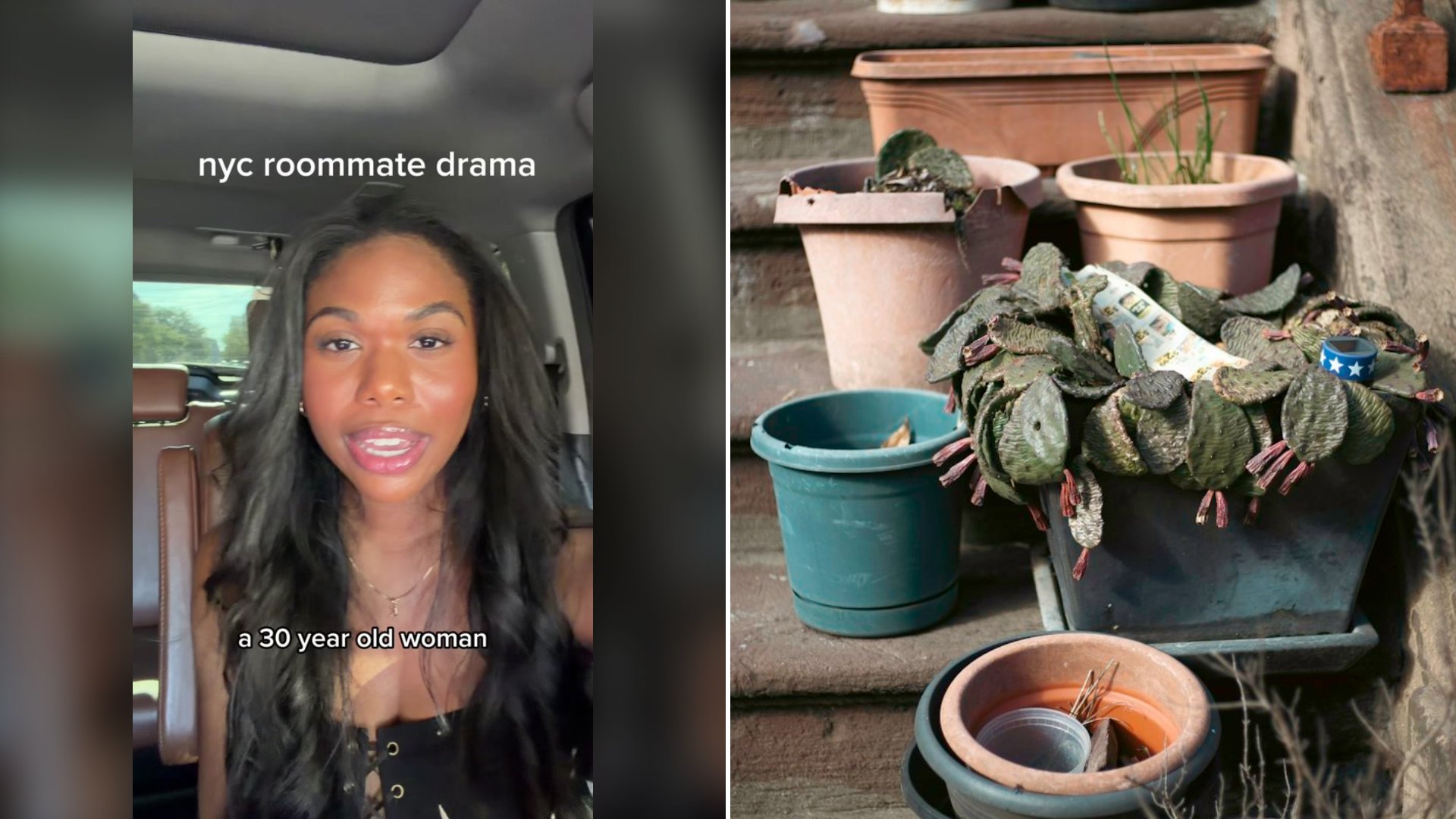
She lays out the timeline carefully. Her friend had been the leaseholder for roughly three years. At the end of April, the friend’s roommate moved out and found someone to sublet the room. That new subletter moved in during May. The lease was set to end in June.
According to the creator, her friend was upfront from the start. She told the subletter she would not be signing a new lease with her, and that the subletter would need to either find a new place or try to take over the lease herself. A few weeks before the video, the friend found an apartment in Manhattan with the creator and officially told the subletter she was leaving.
The GoFundMe That Started It All
That is when things fell apart, she says. The subletter, who the creator says does not have a traditional job and sells keychains, did not have the pay stubs most landlords require to qualify for an apartment. Instead of looking for a new place, the creator says, the subletter turned to social media and launched a GoFundMe claiming the landlord was an “evil slumlord” and that the friend had put her in a horrible, traumatizing situation.
The creator does not buy it. She describes the landlord’s request as polite and reasonable, basically asking whether the subletter could show proof of income to qualify for the apartment. She points out that the landlord was still letting the subletter stay while she tried to sort it out. “He’s actually giving you a chance,” she says.
She also takes aim at the idea that the subletter is being pushed out of “her city.” Both of them, she notes, are from Georgia, and both moved to New York less than a year ago. The difference, she argues, is that she signed a lease and started working so she could pay the bills.
Her feelings about the fundraiser are personal. Two years ago, she says, her mother had cancer and worked two jobs straight through chemotherapy and surgery and still could not cover the medical bills. That, she says, is when her family turned to GoFundMe, because their backs were truly against the wall. “Someone is housing insecure when they work hard to make ends meet and the ends won’t meet,” she says.
She ends with a pointed bit of advice for the subletter: fill out a job application, or go back to Georgia. The caption takes the joke one step further: “maybe let’s go back to Georgia.”
@kaylendoesstuff
What Subletters and Leaseholders Should Know
Whatever you think of the drama, the situation highlights something many renters do not fully understand until it is too late. A sublet is not the same as having your own lease.
When you sublet, you are usually renting from the original tenant, not directly from the landlord. Your right to stay is tied to that tenant’s lease. When the main lease ends, or the leaseholder decides not to renew, the subletter generally has no automatic right to stay on. Rules vary by state and city, and New York has its own specific sublet laws, so anyone in that position should check local tenant resources.
If you are subletting, protect yourself with these steps:
- Get the sublease in writing. It should state the end date and match the end date of the main lease.
- Know when the main lease ends. Ask the leaseholder directly whether they plan to renew, and start apartment hunting early if they do not.
- Gather paperwork now. Landlords commonly ask for pay stubs, tax returns, bank statements or an employer letter. If you are self-employed, keep organized records of your income.
- Look into guarantors. Renters who do not meet income rules on their own may qualify with a co-signer or a guarantor service.
- Talk to the landlord early. If you hope to take over the lease, ask what it takes to qualify well before the move-out date.
And if you are the leaseholder bringing in a subletter, put everything in writing too: the dates, the rent, what happens at the end of the lease and whether the landlord has approved the arrangement. Clear expectations on day one can prevent a very public fight on day ninety.
Before You Give to an Online Fundraiser
This story is also a reminder for anyone who gives to online fundraisers. Most campaigns are real and heartfelt, like the one the creator’s family started during her mother’s cancer treatment. But a fundraiser only tells one side of a story.
Before you donate, it is worth checking whether you know the person or someone who does, reading updates and comments for any conflicting details, and asking yourself whether the story holds together. If something feels off, it is fine to pass and give to an established local charity instead. Your generosity is valuable, and it deserves to go where it will truly help.
More From Willow and Hearth
- Former Landlord Says In Some Places Your Security Deposit Is Supposed To Earn Interest, And Tenants Who Never Asked Have Been Leaving Money Behind
- She Sued Her Landlord And Won, And Now She Is Choosing Peace Over A Fight About What She Says Is $550 Too Much Taken From Her Deposit
- Renter Asks the Internet What to Do After Her Neighbor Keeps Leaving Trash Where Every Other Neighbor Puts Theirs Leaving No Room on Recycling Day and Says It Was Never a Problem Until Now
Leave a Reply