Lease renewal season can make even the calmest renter’s stomach drop, but a young woman in Tampa got an offer that sounds almost made up. According to @emlegssssss, her landlord gave her two options to stay put in her apartment in the city’s Channelside area. She could sign another 12-month lease and pay $1,000 more each month than she pays now. Or she could skip the long commitment and go month to month, at a staggering $11,000 a month.
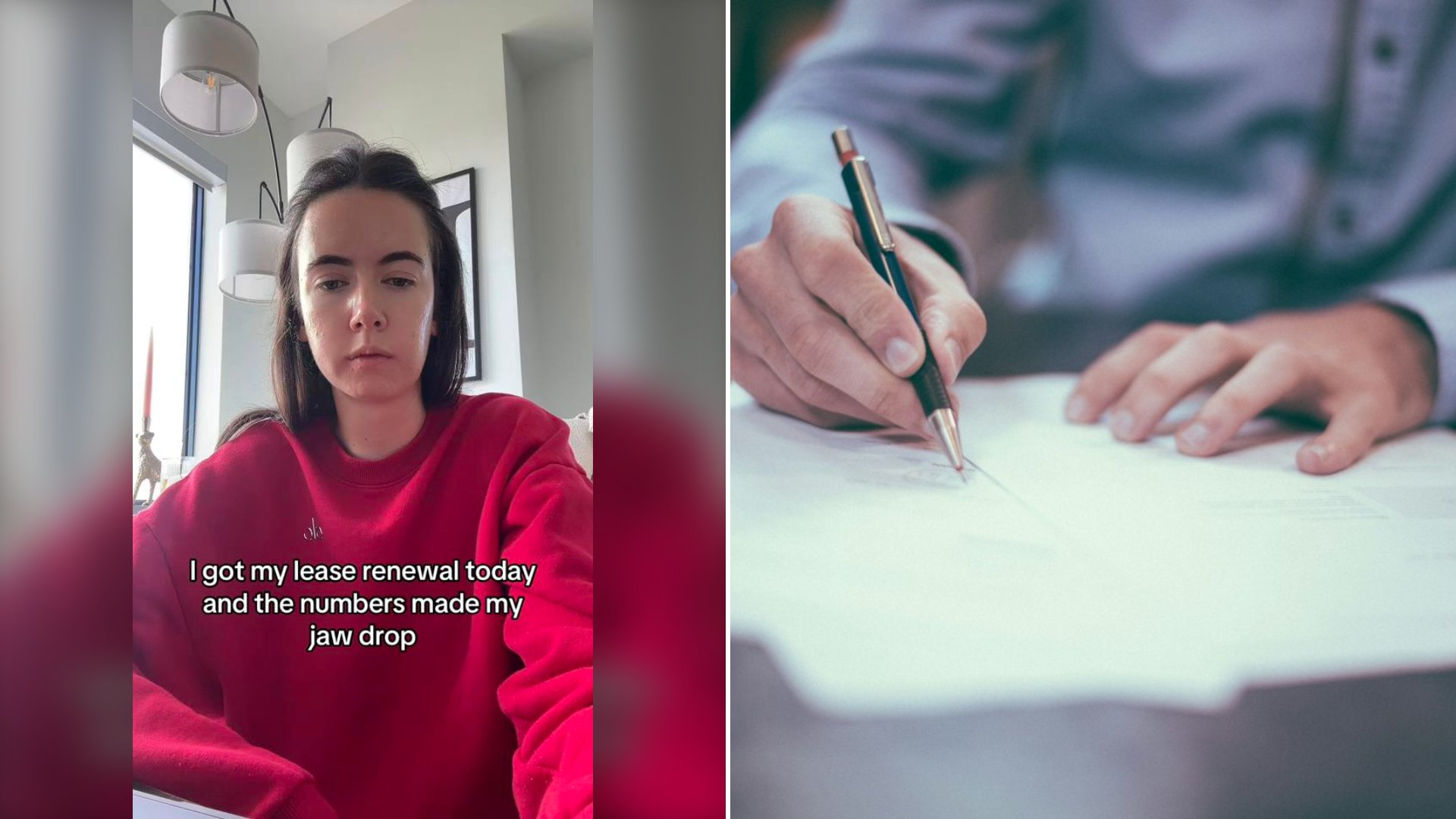
The numbers were so wild that she had to clear up a misunderstanding in her caption. “PLEASE NOTE: The rent increase to re-sign for 12 months is $1000,” she wrote. “If I want to sign for month to month that is when it is $11k a month.”
And no, she is not living in a $10,000 apartment. “My rent is not $10,000, I would literally never pay that for rent,” she added with a pair of laughing emojis, before admitting the obvious: “I also can’t afford that.”
So what she was really being offered was a choice between a painful raise and an impossible one. The $11,000 figure is not a price anyone expects her to pay. It reads more like a door being politely, and expensively, pushed shut. Either she commits to another full year at a much higher rate, or she starts looking for a new place.
@emlegssssss
Why Month to Month Can Cost So Much More
It is common for landlords and big apartment companies to charge extra for month-to-month living. A tenant on a rolling monthly agreement can leave with short notice, which means the owner may face an empty unit, cleaning and turnover costs, and lost rent at a bad time of year. To discourage that, many leases charge a premium, often a few hundred dollars a month, for anyone who does not sign a new term.
What makes this case stand out is the size of the gap. A premium of a few hundred dollars nudges people toward a lease. A premium that multiplies the rent many times over is a different message entirely. Large property managers sometimes set these numbers through pricing software or company policy rather than by hand, and the result can look absurd to the person reading the letter.
Florida also has no local rent control. State law blocks cities and counties from capping rent except in narrow emergency situations, so landlords there have wide freedom to set renewal prices. The lease itself, and any notice rules, matter far more than any cap.
What to Do When a Renewal Offer Shocks You
If you, a grown child, or a grandchild ever open a renewal letter like this one, there are smart steps to take before panicking or signing.
Read your current lease closely. Look for what it says about renewal, holdover, and month-to-month terms. Some leases spell out the exact premium for staying past the end date. If the offer does not match what you signed, ask about it in writing.
Check the notice deadlines. Many leases require you to tell the landlord by a certain date whether you are staying or leaving, often 30 to 60 days ahead. In Florida, a month-to-month tenancy generally requires 30 days’ written notice to end. Missing a deadline can lock you into fees you never meant to pay.
Ask to negotiate. A renewal price is an offer, not a final verdict. Politely ask whether a smaller increase is possible, especially if you have paid on time and kept the unit in good shape. Landlords know that a reliable tenant saves them money on turnover, advertising and vacancy. Some will trim the increase, offer a longer lease at a better rate, or throw in something like a free parking space.
Compare the market. Look up similar units nearby, in the same building if possible. If new tenants are being offered lower prices or move-in specials, bring that up. It is one of the strongest arguments a renter has.
Ask for a short-term lease instead. If you need flexibility but cannot stomach a year, ask whether a six- or nine-month lease is available. The premium is often far smaller than month-to-month pricing.
Know Your Budget Before You Sign
A common rule of thumb says housing should take no more than about 30 percent of your gross income. A $1,000 monthly jump adds $12,000 a year to the cost of staying, which is enough to break many household budgets on its own. Before saying yes, add up what moving would truly cost: deposits, application fees, movers, utility setup, and time off work. Then compare that to the extra year of rent.
Sometimes staying is still the better deal, even with a raise. Sometimes the numbers make it clear that it is time to go. Either way, get every final term in writing and keep a copy of the signed renewal.
The creator’s story struck a nerve because so many renters have felt that same jolt when the envelope arrives. Her answer to the $11,000 option was simple and honest. She could never pay it. The real question for her, and for anyone in a similar spot, is whether the $1,000 increase is worth it, or whether the smartest move is the one that takes her out the door.
More From Willow and Hearth
- Man Keeps Seeing Mysterious Yellow Drips on His New Apartment’s Bathroom Walls, So He Grabs a UV Flashlight From Work and Finds the Marks Run All the Way Around the Room
- Small Landlord With Just Nine Units Says More Than Half His Tenants Have Stopped Paying Rent and He May Have to File Five Evictions at the Same Time
- Couple Closes on a Log Cabin Set on 78 Acres in the Woods, Camps Out in the Living Room on Night One and Spots the Sunset Over Her Gardens From the Kitchen Sink, Calling the Whole Thing a Longtime Dream
Leave a Reply