Every parent knows the nightly routine: bath, pajamas, a story, lights out, and then that precious stretch of quiet. For a Miami mom who posts as @jackie_0o, that quiet never comes. In a short clip filled with the sound pouring in from next door, she says the racket starts around 4 in the afternoon and runs until 2 in the morning. Her caption says it all in capital letters: “SOME OF US HAVE KIDS AND BEDTIMES.”
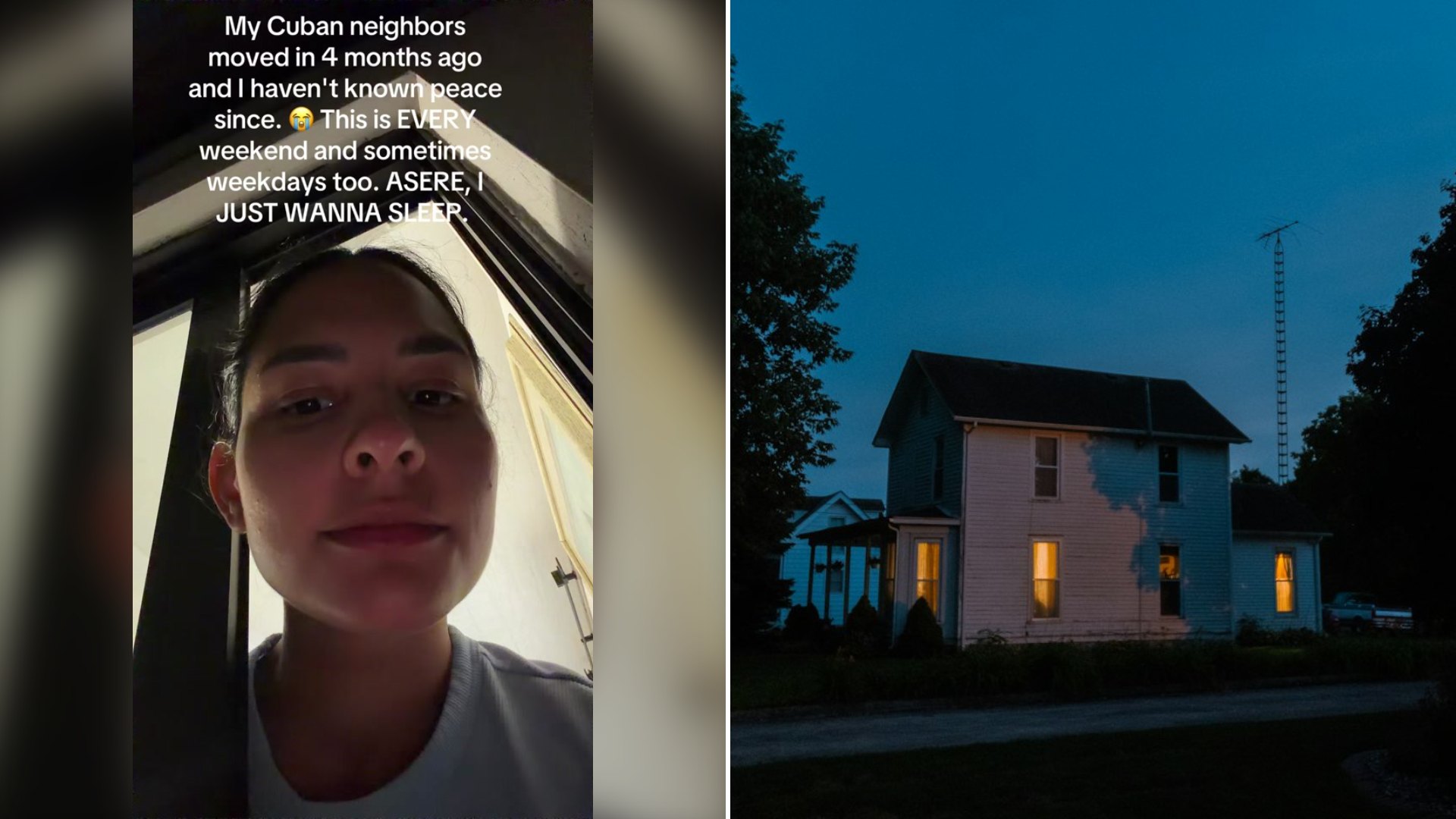
She does not say a word in the video. She does not have to. The noise speaks for itself.
Ten Hours of Noise, Night After Night
“This goes on from 4pm until 2 in the morning!” she writes. That is a ten-hour stretch, covering dinner, homework, bath time, bedtime, and well past the point when most working adults need to be asleep themselves. She tags the post with labels about loud neighbors and Miami life, and adds a crying-face emoji that says more about her exhaustion than any long explanation could.
It is a frustration a lot of people share. Noise is one of the most common complaints neighbors have about each other, and it tends to hit hardest in places where homes sit close together, like apartment complexes, townhomes, and tightly packed neighborhoods. When a child cannot fall asleep, or wakes up at midnight to a booming bass line, the whole household pays for it the next day.
@jackie_0o
Why Sleep Disruption Is a Bigger Deal Than It Sounds
A loud party once in a while is part of life. Night after night of it is a different story. Children need consistent sleep to concentrate in school, regulate their moods, and stay healthy, and repeated late-night disruptions can leave them cranky, distracted, and run down. Adults are not immune either. Poor sleep is linked to higher stress, slower reactions behind the wheel, and a long list of health problems over time.
That is why so many cities and counties write quiet hours into their local codes, usually overnight. Rules differ from place to place, but most noise ordinances prohibit unreasonably loud sound that disturbs neighbors, with stricter limits late at night. Florida communities, including those in South Florida, have local noise rules on the books, and homeowners associations and apartment leases often add quiet-hour rules of their own.
What to Do About a Noisy Neighbor
If you are dealing with a similar situation, or helping a grown child who is, it usually pays to start small and escalate only as needed.
- Try a friendly conversation first. Some people truly do not realize how far sound carries. Pick a calm moment, not the middle of the party, and keep it simple: “My kids go to bed at eight, and the music comes right through their bedroom wall. Could you turn it down after that?”
- Leave a polite note. If a face-to-face talk feels uncomfortable or unsafe, a short, friendly note can open the door without confrontation.
- Keep a noise log. Write down the date, start and end times, and what you heard. Short audio or video recordings from your own property can help show the volume and timing.
- Look up your local rules. Search your city or county code for “noise ordinance” to learn the quiet hours and how complaints are handled where you live.
- Go through the landlord or HOA. If either of you rents or lives in a community with an association, a written complaint to management can carry real weight, since leases and HOA rules often include noise limits.
- Use the non-emergency line. When noise breaks local rules late at night, police non-emergency lines or city code enforcement can respond. Save 911 for true emergencies.
- Consider mediation. Many areas offer free or low-cost community mediation services that help neighbors work out disputes without going to court.
One word of caution: neighbor disputes can heat up quickly, especially late at night when everyone is tired. Avoid knocking on the door mid-party, never retaliate with noise of your own, and do not post your neighbors’ faces or address online. If a conversation turns hostile or you ever feel threatened, step away and let the authorities handle it. Calm, documented complaints tend to get far better results than angry confrontations.
Ways to Soften the Sound in the Meantime
While you work on a longer-term fix, a few changes at home can help everyone sleep a little better.
- Run a white noise machine or fan in the kids’ rooms. Steady background sound masks sudden spikes in noise.
- Hang heavy curtains and add rugs, bookshelves, or padded headboards along shared walls to absorb sound.
- Seal gaps around windows and doors with weatherstripping, which blocks noise as well as drafts.
- Move bedtimes to the quietest room if your home layout allows it, even temporarily.
- Try earplugs for adults who need to sleep through the late hours. Foam earplugs are cheap and surprisingly effective.
None of these should be a permanent substitute for a neighbor who respects reasonable quiet hours. But they can take the edge off while you pursue a solution.
This mom’s message is one that families everywhere can relate to. Having fun at home is everyone’s right. So is a decent night’s sleep, especially for the little ones who have school in the morning.
Leave a Reply