“I’ve invested $200,000 into this house and I can’t sell it.” That is how one house flipper opens a clip featured on the Cartor Raay channel, and her frustration is the doorway into a bigger story about why so many flipped houses are sitting on the market right now.
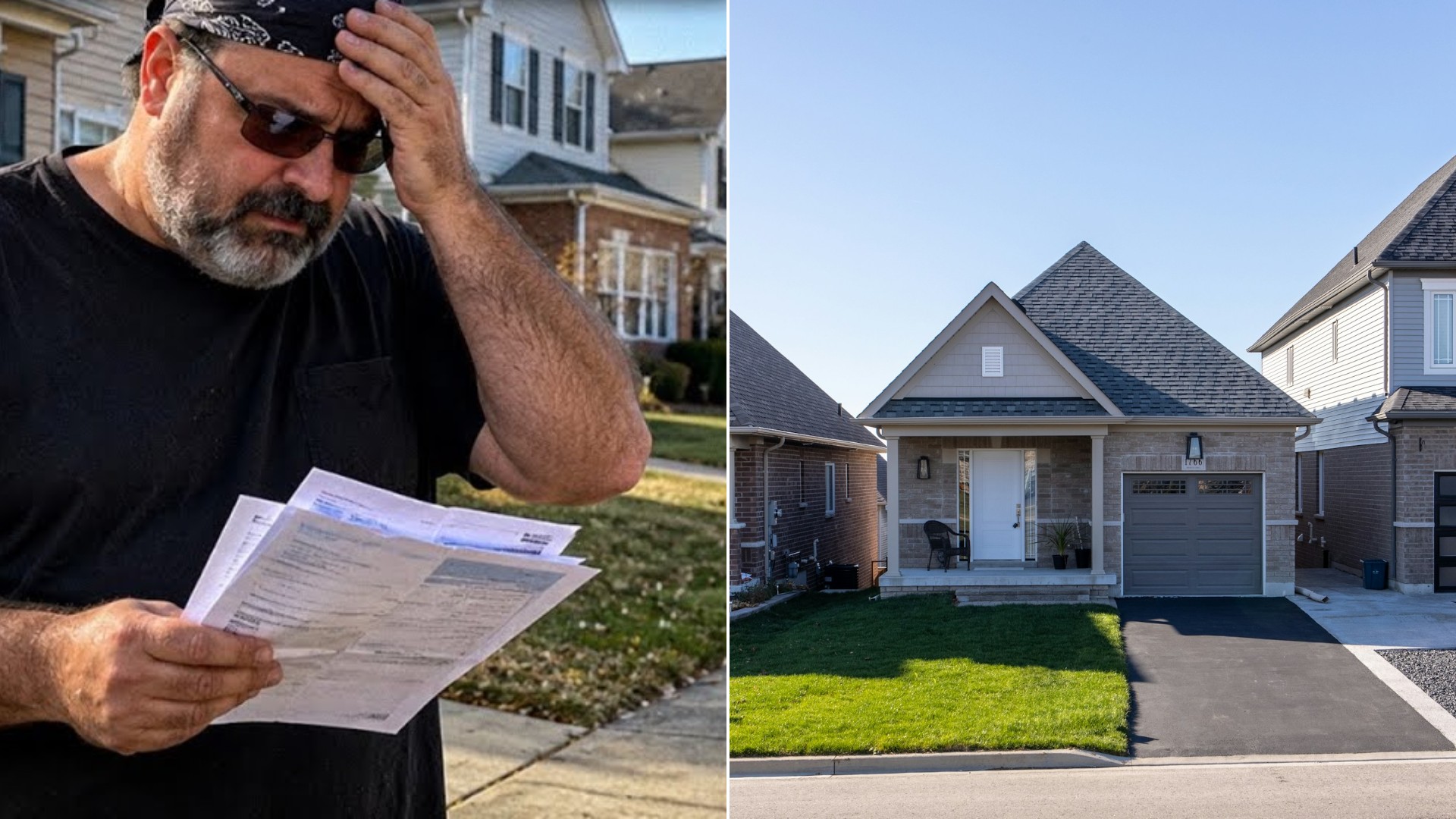
She says she bought the house in July 2023 and spent about six months on the renovation because of permitting issues. It went on the market in December 2023, and now it is July and it is still there. By her account it is a really cute house: a one-story, four bedroom, three bathroom home on a half acre, with a primary suite, a big shower and tub, a custom vanity, his and hers closets and tile that runs about $25 a foot.
She has owned it for more than a year and dropped the price $150,000. Her mortgage is $4,000 a month, so every day it sits costs her another $150 out of pocket. “If this house doesn’t sell soon,” she says, she is going to be cooked.
The Numbers Behind The Flip Slump
The channel’s host uses her story to walk through what the industry’s own numbers show. In the first quarter of this year, the typical flip returned 25.4% with a gross profit of around $66,000, the worst stretch since 2008. For the decade after the financial crisis, flippers were pulling 40% to 60% returns, peaking at 61.1% in 2012. Last year’s annual figure was 25.5%, the lowest since the crash.
Gross profit, he notes, is just the difference between the purchase and sale price. The renovation, the loan, taxes, insurance, utilities and commissions come on top of that, and he says they typically eat 20% to 33% of what the finished house is worth. On a house reselling around $326,000, that is somewhere between about $65,000 and $108,000, which would leave the typical American flip making roughly nothing or losing money.
The Cost Of Waiting
The median flip now takes 165 days from purchase to resale, so a financed flipper carries costs for more than five months before a buyer even exists. Fix and flip loans were running around 9.6% late last year, with lender surveys putting the going range at 9% to 13% with points on top. On an average deal, a $260,000 purchase at 10.5% over 165 days costs roughly $12,300 in interest plus about $5,200 for two points. Every extra month adds another $2,300.
A lender who says he has funded short-term flips for 15 years adds a blunt observation: flippers who stay in that model are always broke.
Why The Zip Code Matters Most
Another flipper in the video lost $37,000 on a house. He says comps in the neighborhood were around $230,000 when he bought, but the market dropped. The house across the street sold for $200,000 and this one closed at $188,000. The channel’s host says that gap tells the whole story and has almost nothing to do with the renovation.
The same report shows how much location matters. This year, the typical flip returned 85.9% in Pittsburgh, 84% in Buffalo and 74.9% in Virginia Beach. In Austin it was 2.0%, in Dallas 4.3%, in San Antonio 5.1% and in Houston 7.2%. The median flipped home in 2025 was built in 1978, the oldest on record, because old and rough is all that is cheap enough to buy.
Buyers Stopped Paying Extra
A listing site study of flips listed last July and sold by September found the typical one closed 8.3% below its highest asking price, compared with 2.9% for comparable older homes that were not flipped. In 2021 the flip number was 0.9%. Flip listings once drew about 25% more page views than comparable homes, and by last October that premium had fallen to 6.5%.
Clips in the video show why buyers have grown wary: termite tubes running up a support beam under a house priced near $300,000, a home inspector’s report of hidden water damage and mold sprayed over, and a flipper who calmly accepted a red tag for working without permits. A permit, the host points out, is the only moment an independent inspector sees the wiring and plumbing before the drywall goes up.
New Builders Are Competing Too
Flippers also face competition from builders. According to the video, 66% of builders are using incentives right now and 38% are cutting prices outright, with the average cut holding at 6% for six straight months. The median new home sells for $393,700, which is $35,400 below the median existing home. Nationally, inventory has crossed 1.62 million homes for the first time since 2019, and supply hit 4.9 months, the most in over a decade.
Where Flipping Still Works
The channel also gives the other side. One flipper explains that the house she buys cannot be financed because the air conditioning is gone, the windows are busted and the sewer lines have collapsed. When she is done, a family can get a loan on it. By the numbers, homes bought for under $50,000 typically lost 14%, while homes bought between $100,000 and $200,000 returned around 32%. Roughly one in eight flips currently loses money before costs.
What Buyers Should Do
If you are looking at a flip that has been sitting for six weeks or more, the owner is losing money every day, and that gives you leverage. The host recommends hiring your own inspector, pulling the permit history from the county and going straight to the crawl space before getting distracted by fresh paint and a new kitchen.
It is a sobering reminder that a house that will not sell is not always priced too high. Sometimes it was bought at 2021 prices, renovated for photographs, and listed for buyers who no longer trust the photographs.
More Stories You May Like
- Woman Shows Her Louisiana Lake House That Started as a 1970s Single Wide Trailer With a Bedroom Addition and Explains Some of the Changes She Has Made So Far
- First Time Home Buyer Names Four Things She Would Not Do Including Changing Jobs and Opening New Credit Cards Before Closing on a House
- Realtor Says A 1970s House Was Maintained Really Well But The Inspector Finds An Air Conditioner Built Into The Garage Door And Spray Foam Stuffed In Drywall Holes
Leave a Reply