The one thing a smoke alarm has to do is make noise when there is smoke. Federal safety officials say two lines of cheap online alarms do not.
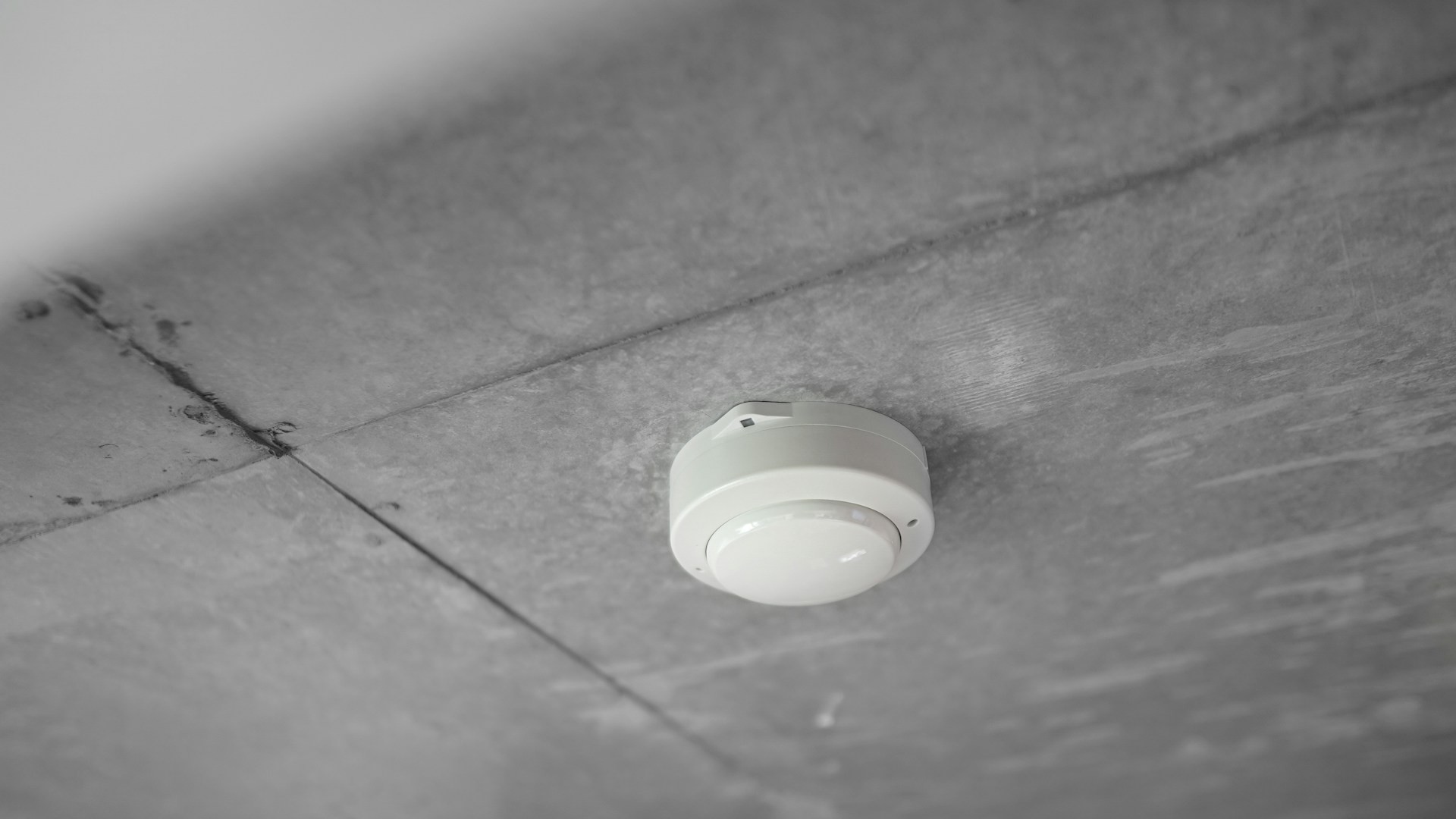
On October 29, the U.S. Consumer Product Safety Commission issued warnings telling people to stop using two sets of combination smoke and carbon monoxide detectors. The agency says they “fail to alarm in the presence of hazardous smoke and fire.”
The official notices are posted by the U.S. Consumer Product Safety Commission and in a second warning.
About 51,825 Alarms Went To Homes Under Three Different Names
The first warning covers combination alarms sold as JuzhiAnn, Yfwsrecinoe and JAEHSKA, all model JZA-540COM. They are white plastic units with a digital display, and they were sold singly and in multipacks.
About 51,825 were sold on Amazon.com and eBay.com from November 2023 through October 2026. Prices ran from $11 to $107.
The commission is aware of seven reports of these alarms failing to alert during smoke or fire.
Another Brand Sold For As Much As $168 A Pack
The second warning covers GuardianSense and KLTseanife combination smoke and carbon monoxide alarms, model YHW-542COM-R. These are also white plastic with a digital display, and the model and manufacturer are listed on the back.
They were sold on Amazon.com and eBay.com from September 2025 through June 2026, in single units and multipacks, for $18 to $168.
The commission has two reports of those alarms failing to alert during smoke or fire.
The Sellers Have Not Answered The Government’s Recall Request
Here is why this is a warning and not a normal recall. The commission asked the companies to recall the alarms, and they have not responded.
For the first set, the retailer is Shenzhen Laijinhe Trading Co., Ltd., which does business as Yfwsrecinoe US. For the second set, the manufacturer is ShenZhen YuFangWeiShi Technology Co LTD and the seller is Shenzhen Lixiang Xiancai Co., Ltd. Both sets were made in China.
So there is no company refund process to follow. The instructions are simple and they are on you.
What The Government Wants You To Do Right Now
- Stop using the alarms immediately.
- Throw them away.
- Install working smoke alarms and carbon monoxide detectors in their place.
- Do not sell or give away the alarms. The commission says not to pass these hazardous detectors on to anyone else.
If you bought one and want your money back, start with Amazon or eBay about your order, since marketplaces often have their own purchase-protection steps.
How To Buy An Alarm You Can Trust
The commission says to buy only smoke and carbon monoxide alarms that meet UL 2034 and UL 217. Those are the safety standards for carbon monoxide alarms and smoke alarms.
Look for those numbers on the box or on the back of the unit before you buy. A low price and a long, odd brand name on a marketplace are not a reason to skip that step.
Buying from a well-known hardware store or a retailer whose name you recognize also gives you someone to call if something goes wrong.
Where Alarms Belong In Your House
The commission says to put alarms on each level of the home and outside each separate sleeping area. Use battery-operated units, or units with a battery backup, so they still work in a power outage.
Test them often. Press the test button and listen for the full sound. If the sound is weak or chirps, change the battery.
Replace batteries as needed, and replace the whole alarm when its date says it is time. The date is printed on the back.
Why A Few Minutes Matter
Fire safety groups often point out that a house fire can fill a home with smoke in just a few minutes. An alarm that stays silent takes away the head start that gets people out.
That is why a plan is worth as much as the device. Pick two ways out of every bedroom. Choose a meeting spot outside, such as the mailbox or a neighbor’s driveway. Practice it once with everyone in the house, grandchildren included, so nobody is figuring it out in the dark.
Keep a flashlight and a phone near the bed. If an alarm sounds, get out first and call 911 from outside.
Check The Back Of Every Alarm This Weekend
Here is a quick walk-through you can do with a stepladder and a pen.
- Take each alarm down and read the brand and model on the back.
- Compare them with JZA-540COM and YHW-542COM-R.
- Look for the UL 2034 and UL 217 markings.
- Write the date you tested or changed the battery on a small label or in a notebook.
If you spot a match, replace it that same day. Then check the alarms at your parents’ house, your children’s home and any rental property you own.
Anyone who has had an alarm bought as a gift or ordered off a marketplace for an older relative should take a look, too. The people most likely to put up with a cheap alarm are the ones who do not climb ladders anymore.
If an incident happens to you, report it at SaferProducts.gov. The commission’s hotline is 800-638-2772, open 8 a.m. to 5:30 p.m. Eastern.
More Stories You May Like
- Smoke And Carbon Monoxide Alarms Wear Out Around The 10 Year Mark According To Manufacturer Guidance So Check The Date On Yours Tonight
- PowRyte Pressure Washers Sold Online For Up To $320 Have No Shock Protection At The Plug And The Seller Has Gone Silent On A Recall
- Baby Boomers Are 42% Of Home Buyers And 55% Of Sellers While First Time Buyers Have Fallen To 21% The Lowest Share Since 1981
Leave a Reply