A freshly flipped house can look like a magazine cover. The floors shine, the walls are crisp, and the kitchen smells like new paint and possibility.
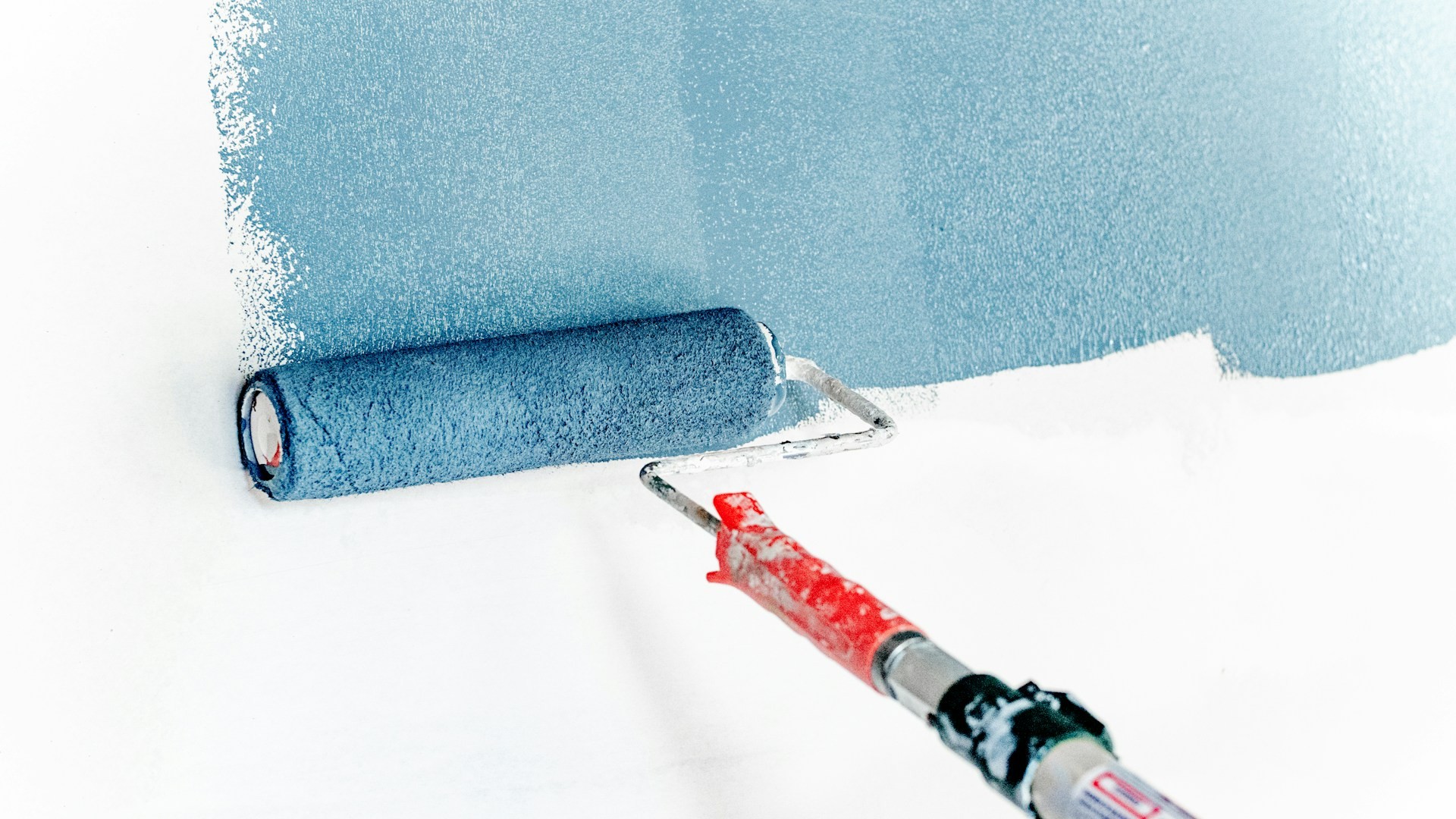
The trouble is that paint covers a lot more than it fixes. In a Homes.com guide titled “How to spot a bad flip before you buy,” writer Dave Hansen collected tips from contractors, agents, and other pros on what to look for. Here are 10 warning signs from that guide, with the experts named.
Gaps Or Globs Of Caulk Where The Roof Meets The Siding
Bert Miskell of BPM Heating, Cooling and Plumbing in Frederick, Maryland, points to gaps or excess caulk where the roof meets siding, or where siding meets the foundation. In his view, that can suggest water is getting in.
Look at the seams from the yard before you ever step inside. A neat caulk line is normal, while thick patchwork is worth a question.
Wavy Siding Boards May Mean The Layer Underneath Was Skipped
Miskell says wavy siding boards may mean the sheathing underneath was not replaced or nailed correctly. Siding is the part you can see, but it is only as flat as what it is nailed to.
Stand at the corner of the house and sight down the wall. Waves that show up in good light are hard to hide.
Downspouts That Dump Water Right Beside The House
Miskell also warns about downspouts that do not carry water several feet away from the structure. Without extensions, he says, water can flood a basement.
It is an inexpensive fix, which makes it a telling one. If a seller skipped the simple stuff, ask what else was skipped.
Shingles That Look Wavy Or Do Not Match
According to Miskell, wavy or mismatched shingles may mean old layers were covered instead of fully torn off.
A roof is one of the costliest parts of a house, so take a good look from the street. Ask whether a permit was pulled for the work.
Fresh Paint And Staging Can Hide Water Or Foundation Trouble
Paul Dashevsky of GreatBuildz.com in Encino, California, says fresh paint, flooring, or staging can hide water damage or foundation problems. He lists musty smells, uneven floors, and new caulk around cracks as clues.
He also points to bubbling paint, soft subfloors, misaligned doors, drafty windows, and loose outlet covers as signs of poor workmanship. Walk the house slowly and open every door.
In humid places, Miltiadis Kastanis of Compass in Miami adds corrosion, rust, or water signs on balconies, roofs, and window frames to the list. He warns that poor waterproofing can corrode metal, wear down HVAC systems, and weaken concrete.
A Musty Smell In A Freshly Painted Basement Is Worth Chasing
Miskell says a musty or damp smell, even in a freshly painted basement, often points to water damage. Noses are good home inspectors when they are allowed to work.
If a basement smells damp on a dry day, ask why. Then ask again in writing.
A Patchwork Of Copper, PEX, And PVC Pipe
Miskell notes that a mix of copper, PEX, and PVC joined with adapters suggests a patch job rather than full re-piping. Brendan McCarthy of SALT Service Co. in Austin, Texas, adds other plumbing clues.
His list includes moisture or hard-water buildup around the main shutoff valve, fluctuating water pressure, a gurgling drain when faucets run, and water stains, soft wood, or poorly glued PVC under sinks.
McCarthy also notes that solid stone countertops point to higher-quality materials than laminate or wood composite. It is a quick clue about how much the flipper spent where you can see it.
A Sump Pump That Is Not Even Plugged In
Miskell recommends checking whether a sump pump is wired to power. One that is not may have been installed for show, he says.
He also flags a dirty furnace or heat pump filter as a hint that the system has not been serviced. Small details like these tell you how much care went into the work.
Ductwork Sealed With Paint Instead Of Tape
Miskell says to watch for air leaks or hissing at duct seams. Proper sealing uses foil tape or gray mastic, not paint.
Mike Nielsen of Churchill Mortgage in Hingham, Massachusetts, offers a more cheerful note. In his view, newly replaced mechanical systems can indicate quality work, and the HVAC brand matters.
Permits, Liens, And A Very Short Ownership Story
The Homes.com guide also lists property record red flags. They include a very short ownership period combined with extensive renovations, missing permits for the work, unresolved municipal inspection orders, unlicensed or unverified contractors, and unpaid taxes or liens.
These can be checked before you fall in love. Ask your agent to help you look up the permit history.
The Best Defense Is A Professional Inspection Before You Close
The guide’s final step is a professional home inspection before closing, to catch electrical, water, structural, and code issues.
A flip can still be a good house, and plenty of flippers do honest work. Hiring your own inspector is how you find out which kind you are looking at.
More Stories You May Like
- Flipper Skipped Inspections On A $135,000 House Then A Shot Sewer Line And Bad Roof Cut The Profit To Just Under $20,000
- One Overtightened Fitting Or A Missed Shutoff Valve Can Flood Your House And Turn A Cheap DIY Fix Into A Bigger Bill Than A Plumber Would Have Charged
- Lint Buildup In The Dryer Vent Is A Quiet Fire Risk And Long Dry Times Are The Warning Sign To Clean The Duct Not Just The Lint Trap
Leave a Reply