Few winter surprises are as nasty as a burst pipe. One cold night, the water inside freezes and expands, and by morning you may be dealing with a flood in the basement or behind the wall.
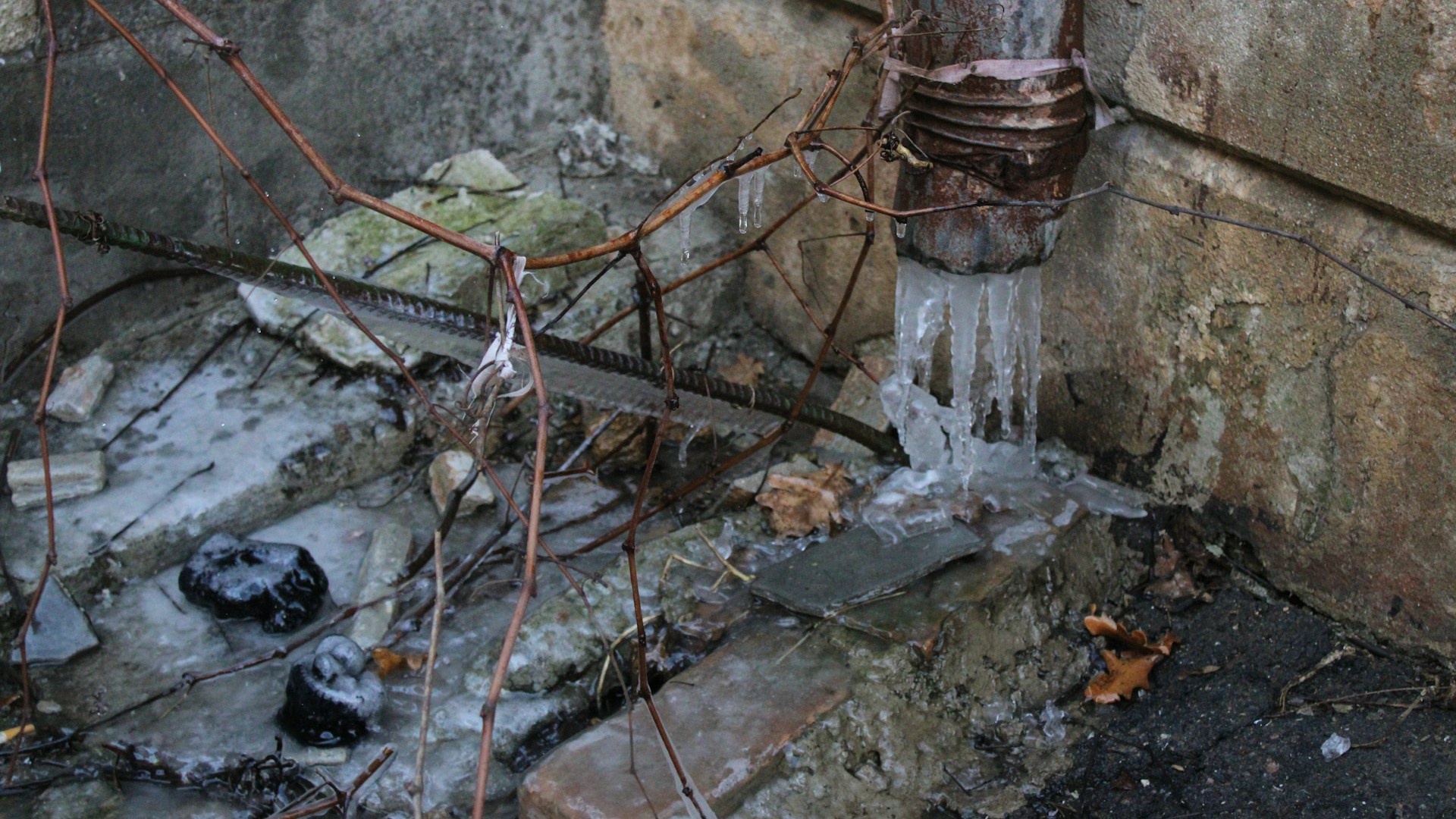
The good news is that a handful of daily habits can lower the odds. This article pulls them from two sources: Salt Lake City Public Utilities and the American Red Cross, which has a guide to preventing and thawing frozen pipes. Your climate and plumbing are different from anyone else’s, so use these as a starting point.
The Red Cross says to suspect a freeze if a faucet produces only a trickle. Common spots are pipes against exterior walls and where the water service enters through the foundation.
If that happens, the Red Cross says to leave the faucet running and apply heat with an electric heating pad, a hair dryer, a portable space heater kept away from flammable materials, or towels soaked in hot water. It warns to never use a blowtorch, kerosene or propane heater, charcoal stove or other open flame, and to call a licensed plumber if you cannot find or thaw the frozen section. It adds to keep applying heat until full water pressure returns, and to check all the other faucets, since one frozen pipe may mean others are frozen too.
Better still, stop it before it starts. Here are seven simple habits, each one easy enough to build into your routine as the cold weather settles in.
Open The Cabinet Doors Under Your Sinks
Salt Lake City Public Utilities tells residents to “open cabinet doors underneath the sink to allow household air to keep pipes warm.” The Red Cross gives the same advice for kitchen and bathroom cabinets, with a reminder to store cleaners and chemicals out of children’s reach.
It costs nothing and takes seconds. Do it on the coldest nights, and close the doors again in the morning if little ones or pets are around.
Let One Faucet Drip Slowly
The utility says to find the faucet farthest from where water enters the house and let it drip slowly. Keeping water moving through the pipes lowers the chance of freezing, and the utility suggests putting a bucket in the sink to catch the drips so the water can be reused for household purposes.
The Red Cross agrees that in very cold weather, letting cold water drip from faucets served by exposed pipes helps, and says even a trickle is useful. Choose the faucet carefully, put the bucket in place before bed, and use the saved water on the houseplants in the morning.
Keep The Garage Doors Closed
Salt Lake City Public Utilities says that if there is an attached garage, you should keep the doors closed. The Red Cross specifically says to keep garage doors shut when water lines run through the garage.
A garage can be one of the colder spots on the property. Closing the door keeps the cold air from reaching those lines, so make it part of the evening routine, like locking up.
Keep The Thermostat Steady Day And Night
The Red Cross says to keep the thermostat at the same setting day and night. Skipping nighttime setbacks may raise heating bills but, in the Red Cross’s words, can prevent costly burst pipes.
It may feel wasteful to heat an empty kitchen at 3 a.m. Compare that with the cost of a repair after a break, and the choice gets easier.
Keep The Heat On When You Travel
For leaving the house for multiple days, Salt Lake City Public Utilities says to set the thermostat above 65 degrees. The Red Cross gives a lower floor, saying that if you leave home during cold weather you should keep the heat on at no lower than 55°F.
Both sources agree the heat should stay on. Pick a setting you are comfortable with that works for your home and climate, and ask a neighbor to look in if you will be gone a long while.
Insulate The Pipes In Cold Corners
The Red Cross says to locate water lines in unheated areas, such as garages and under kitchen and bathroom cabinets, and insulate both hot and cold lines. It suggests pipe sleeves or UL-listed heat tape or heat cable on exposed pipes, and notes that wrapping pipes in newspaper offers some protection, with even a quarter-inch layer helping in areas that rarely drop below freezing.
The organization also says to insulate attics, basements and crawl spaces to keep them warmer. A trip to the hardware store can cover most of this. Start with the pipes closest to an outside wall.
Disconnect Hoses And Drain Outdoor Lines Before Winter
According to the Red Cross, you should remove and store outdoor hoses, shut the indoor valves that supply outdoor hose bibs, then open the outdoor bibs to drain. Leave the outdoor valves open so any remaining water can expand without cracking the pipe.
It also says to drain swimming pool and sprinkler supply lines following the manufacturer’s or installer’s directions, and not to use antifreeze unless directed. Do this chore on a mild autumn weekend, before the first hard freeze shows up in the forecast.
More Stories You May Like
- Kitchen Countertop Guide Warns That Quartz Can Crack From A Hot Pot While Marble Etches From A Drop Of Lemon Juice And Granite Needs Sealing Every 1 To 2 Years
- DIY Decorator Says Cabinet Hardware Can Make Or Break Your Kitchen And Shares A $10 Tool That Keeps You From Drilling Crooked Holes
- Test Your Garage Door Auto Reverse Every Month Because A Faulty Sensor Can Turn It Into A Hazard And Never Try The Springs Yourself
Leave a Reply