We plant them for the color, the shade and the pretty blooms by the front door. But some of the loveliest plants in the yard and on the windowsill can make a dog or cat very sick.
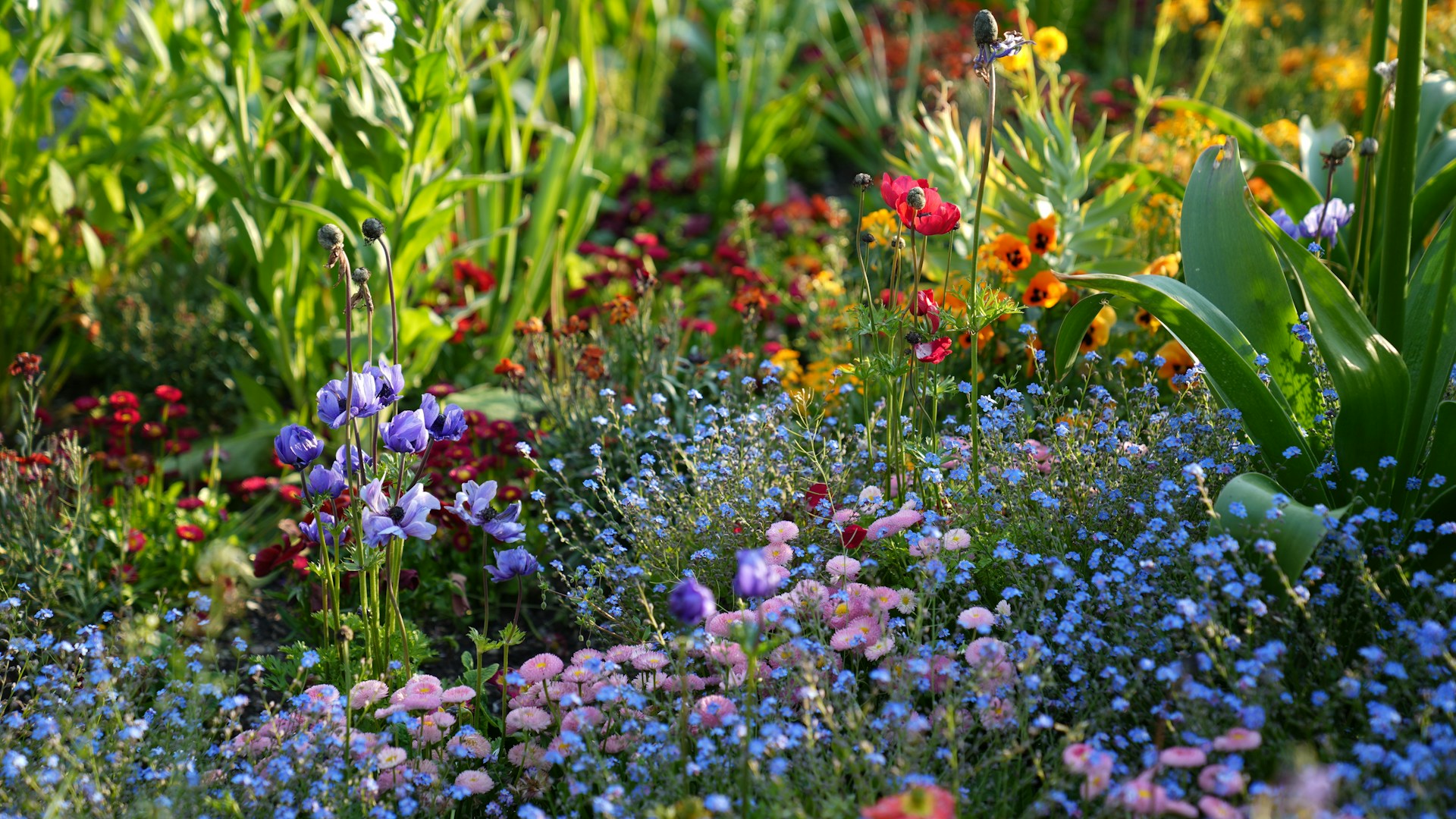
The ASPCA’s Animal Poison Control experts, University of Illinois Extension and Nebraska Extension all keep lists of plants that are dangerous to pets. Here are 11 garden and household plants worth knowing, with what these sources say about each. If your pet chews any plant, call your veterinarian or the ASPCA Poison Control hotline at (888) 426-4435 right away; a consultation fee may apply.
Pets explore with their noses and mouths, and a curious puppy or a bored cat may nibble leaves, dig up bulbs or chew a stem. That is why it helps to know which plants deserve a second look before you buy them.
Keep the plant tag when you bring one home. If something goes wrong, the exact name will help your vet and the poison hotline act faster.
1. Lilies, Especially For Cats
In an April 2026 article, the ASPCA calls lilies, including daylilies, lethal to cats. It says “even small exposures to pollen from these flowers can cause kidney failure or even death in cats.”
That means a bouquet on the table is a risk too. If you have a cat, think twice before bringing lilies home.
2. Sago Palms
The same ASPCA article says sago palms affect dogs and cats. Effects include severe stomach upset, liver damage, low blood sugar and bleeding problems, which can progress to seizures and death.
The seeds are the most dangerous part, according to the ASPCA. Keep this popular landscape and indoor plant out of reach.
3. Tulips
Spring bulbs can be trouble underground. The ASPCA says tulips affect dogs, cats and horses, causing significant stomach upset and depression, and possible intestinal blockages if large bulbs are eaten.
A 2023 ASPCA article adds that a swallowed bulb may be hard to digest. Dogs that love to dig deserve extra watching in bulb season.
4. Oleander
Oleander is common in warm-climate yards. The ASPCA lists it as toxic to dogs, cats and horses, with cardiac glycosides as the toxic principle.
It says oleander can cause serious, potentially life-threatening heart problems, including irregular heartbeat and low blood pressure, and that symptoms can be delayed. Other signs on its plant page include excess salivation, stomach pain and lethargy.
5. Autumn Crocus
This fall bloomer looks gentle, but the ASPCA calls it extremely toxic to dogs, cats and horses, even in small amounts. Effects include severe stomach upset, heart problems, liver and kidney failure, and abnormal bleeding and bone marrow problems.
It is one to keep out of any garden where pets roam.
6. Daffodils
Daffodils are a springtime favorite. The ASPCA says eating the plant or flower can cause stomach upset and lethargy, while the bulbs are more concerning and may cause vomiting, diarrhea, obstruction, wobbliness and low blood pressure.
Daffodils also appear on the pet-poisonous lists from University of Illinois Extension (2023) and Nebraska Extension (2016), where they are listed by the name narcissus as well.
7. Dieffenbachia
This leafy houseplant is a staple in living rooms. The ASPCA says it is toxic to dogs and cats because of insoluble calcium oxalates and a proteolytic enzyme.
Signs include oral irritation and burning in the mouth, tongue and lips, excessive drooling, vomiting and difficulty swallowing. It is also on the University of Illinois Extension list.
8. Hydrangea
The big, cheerful blooms are porch favorites. The ASPCA lists hydrangea as harmful to dogs, cats and horses because of a cyanogenic glycoside.
The main signs are vomiting, depression and diarrhea, and the ASPCA notes cyanide intoxication is rare. Hydrangea is also on the Illinois and Nebraska Extension lists.
9. Foxglove
Tall and graceful, foxglove brings cottage-garden charm. The ASPCA says it is harmful to dogs, cats and horses because of cardiac glycosides.
Clinical signs include irregular heart rhythms, vomiting, diarrhea, weakness, heart failure and death. Foxglove appears on the University of Illinois Extension list as well.
10. English Ivy
English ivy climbs fences and trails from hanging baskets. The ASPCA lists it as harmful to dogs, cats and horses, with triterpenoid saponins as the toxic principle.
Signs include vomiting, abdominal pain, excessive drooling and diarrhea, and the foliage is more toxic than the berries. English ivy is on the Illinois and Nebraska Extension lists too.
11. Yew
Yew hedges are a classic foundation planting. The ASPCA says yew is toxic to dogs, cats and horses because of taxine, and warns of “sudden death from acute cardiac failure.”
In dogs, early signs include muscle tremors, breathing difficulty and seizures. Yew shows up on the University of Illinois and Nebraska Extension lists as well.
These 11 are only a start. The University of Illinois Extension list names 56 plants as poisonous to pets and says it is not all-inclusive, with entries ranging from boxwood and holly to poinsettia and rhododendron.
Walk through your yard and your living room with a pet’s eye view. Look up each plant you grow, move the risky ones out of reach or out of the house, and keep your vet’s number and the ASPCA hotline on the refrigerator.
More Stories You May Like
- Gardener Spots A Buy One Get One Free Deal On Small Spiraeas At The Garden Center And Snaps Up All Four They Had Left For Her New Garden Space
- Upstate New York Gardeners Say A Brutal Last Winter Taught Them Some Favorite Plants Need Extra Help And Share Their Fall To Do List Before The Cold Hits
- Gardener Spends A Mid October Day Tidying A Forest Pansy Bed And Says The Fall Cleanup Costs No Money While Rescuing It From A Plant That Took Over
Leave a Reply