A group of hikers in their seventies crept up a steep, rutted public road in Lincoln, Vermont, afraid of getting arrested. They were climbing through a 130-acre estate toward a spot they had been fighting over for years: a 900-foot grass airstrip.
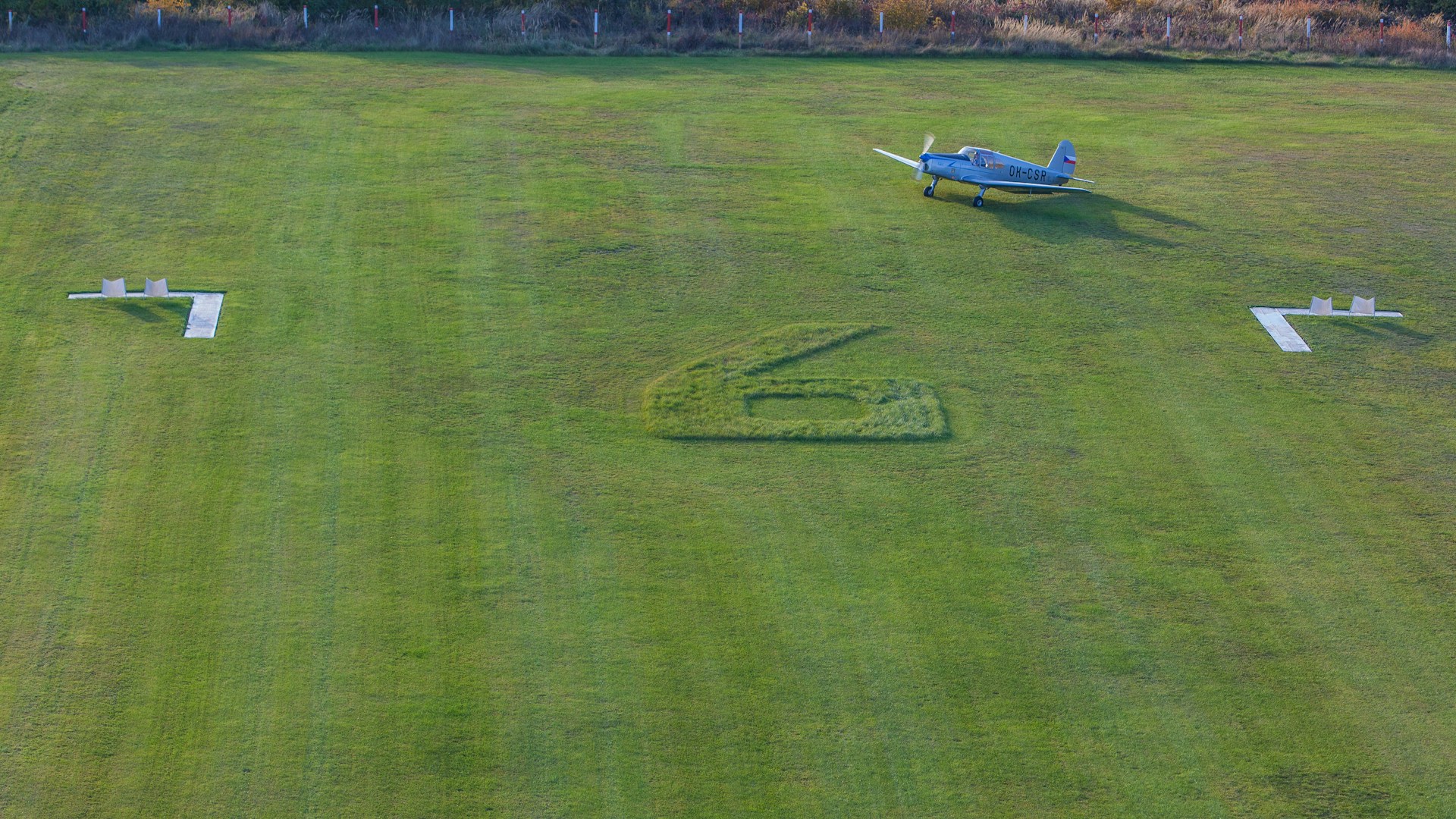
The owners had recently issued no-trespass orders to 23 neighbors, including some of the people on that road. “I’m gonna stay on the road because I was warned,” said Dan Guy, a 72-year-old retired carpenter, peering over a stone wall at the strip.
The Boston Globe tells the story in its report on the backyard airstrip that has split a Vermont town, and it reads like a cautionary tale for anyone who has ever argued over a fence line.
“See What We’re Dealing With?” Neighbors Say Cameras And Caretakers Followed Them Down The Road
Before the group got far, two men followed them and said surveillance cameras had caught them on the property. The men refused to give their names, but Guy knew them well: they were caretakers for the owners, Kyle Clark and his wife, Katie.
“We’re going to get photos of the cars that are here,” one of them said, rushing past in a camouflage cap bearing the Beta logo.
“See what we’re dealing with?” said Marilyn Ganahl, 72, the Clarks’ chief antagonist, who lives on an adjacent property. “Bullying and intimidation.”
Five Years Of Fighting Over A Strip Of Grass
Kyle Clark is the chief executive of Beta Technologies, an electric plane maker that has grown into one of Vermont’s most successful startups. A former professional hockey player standing 6 feet 7 inches, he founded the company in 2017, and it now employs roughly 1,500 people.
At home in Lincoln, he wants to fly small, gas-powered planes to work and elsewhere. His $3.5 million house sits a 45-minute drive from Beta’s headquarters at Burlington International Airport.
For nearly five years, that wish has torn up the peace of a mountain town that prides itself on being neighborly. Lincoln’s town administrator, Trish Waugh, put it plainly: “I have never seen anything like it before.”
The CEO Admits It Has Cost “An Irrational Amount Of Money”
Clark himself acknowledges that his determination to fly to and from his home has cost him “an irrational amount of money” in legal fees and other expenses.
In January, he spent $14 million on a separate Lake Champlain property in the town of Charlotte that already had a permitted airstrip. These days, when he wants to fly to work, he drives 45 minutes from Lincoln to Charlotte and takes off from there.
The other side has spent heavily too. Ganahl estimates she has put in about $300,000, largely bankrolling the opposition to protect her 105-acre horse farm and nature preserve from what she describes as a nightmare.
It Is Not Rich Versus Poor, And That Makes It Harder
Money has certainly stretched the fight, but it does not split the town along neat class lines. Ganahl’s group includes a mechanic, a waitress, a teacher and a radiology tech.
Plenty of locals also appreciate the jobs Clark has brought to Vermont, and to Lincoln, which has become a bedroom community for Middlebury and Burlington.
State Senator Ruth Hardy, who represents the town and the rest of Addison County, said “the role of money in this has been challenging and unfortunate,” especially when many Vermonters are struggling financially.
The Neighbors Lost Early, Then Kept Appealing
Opponents won some early battles at the local level. Since then, Clark has prevailed in state court, with the Federal Aviation Administration and, in October, with Vermont’s Transportation Board.
He is now just a few administrative steps from being able to use the airstrip, which is already built. His opponents, who see it as unsafe and intrusive, have not let up. They appealed the FAA’s ruling in federal court and, on Oct. 19, appealed the state board’s ruling to the Vermont Supreme Court.
“I’m shocked at how long this has taken,” Clark said. He blames “a large, coordinated and, unfortunately, untrue approach that the opposition has taken,” saying it “has made people quite confused.”
In his view, he has followed every rule and respected the process while neighbors delayed the inevitable. For him it comes down to a simple principle: “We have never attempted to tell somebody else what they can do on their land.”
Summer Parties, Lawyers’ Letters And A General Store
The feud has grown only more pitched as it nears a conclusion. Each side accuses the other of harassment and intimidation. Neighbors have complained to the Selectboard about the lavish company parties the Clarks throw each summer, which clog dirt roads with hundreds of vehicles.
The Clarks, for their part, have accused town leaders of colluding with the airstrip opponents and acting unethically. In a September letter to the Selectboard, their lawyers threatened to sue the town for violating their due process rights, though Clark later said in an interview that he has “no interest in doing that.”
The airstrip is a regular topic at the local general store, which the Clarks bought in 2024. Not everyone has picked a side, and many residents seem eager for the controversy to fade.
“I hope it has not put a line through the town,” said Waugh. “I would hope that people can disagree and still remain neighbors and remain friendly and able to coexist together. Because we all love Lincoln. We’re all part of Lincoln.”
Lessons For Anyone With A Neighbor Dispute Brewing
Most of us will never fight over an airstrip, but the pattern is familiar. A project one household sees as a right, the next household sees as a threat, and the legal bills pile up while everyone still has to wave from the driveway.
- Talk early and in person. Disputes that start with a letter from a lawyer are very hard to walk back.
- Know which rules apply to your project before you spend money. In this case the fight moved through town, state and federal bodies.
- Count the full cost. Clark says his drive to fly from home has been “irrational” in expense, and Ganahl’s side estimates about $300,000.
- Keep the tone civil in public. When cameras, no-trespass orders and accusations come out, the whole street feels it.
The legal fight is not over, with appeals pending in federal court and the Vermont Supreme Court. Whatever the courts decide, the people of Lincoln will still be neighbors on Monday morning.
More Stories You May Like
- Property Tax Bills Jumped 3.7% In 2025 To An Average Of $4,427 While Home Values Slipped 1.7% And Inflation Only Rose About 2.7%
- Home Price Growth Has Slowed To 1.5% Nationally But Chicago Is Still Up 6.9% While Seattle Prices Have Fallen 1.9% Over The Past Year
- Gardener Spends A Mid October Day Tidying A Forest Pansy Bed And Says The Fall Cleanup Costs No Money While Rescuing It From A Plant That Took Over
Leave a Reply