Travis Kelce wants to turn his $5.35 million Ohio property into a private retreat. The Kansas City Chiefs tight end has already spent money answering the neighbors’ concerns, and the dispute is still not over.
What started as arguments over fencing and privacy has grown into a bigger debate about property damage, aging pipes and what luxury landscaping does to a quiet lakeside community. The latest round of objections could force another change to the plans.
Neighbor Warns 50 Evergreens Planted Ten Feet From A 100-Year-Old Pipe Are “Virtually Guaranteed” To Cause Trouble
The fight centers on Kelce’s 21,000-square-foot estate in Bratenahl, Ohio. Neighbors raised concerns about proposed landscaping near an old clay sewer line.
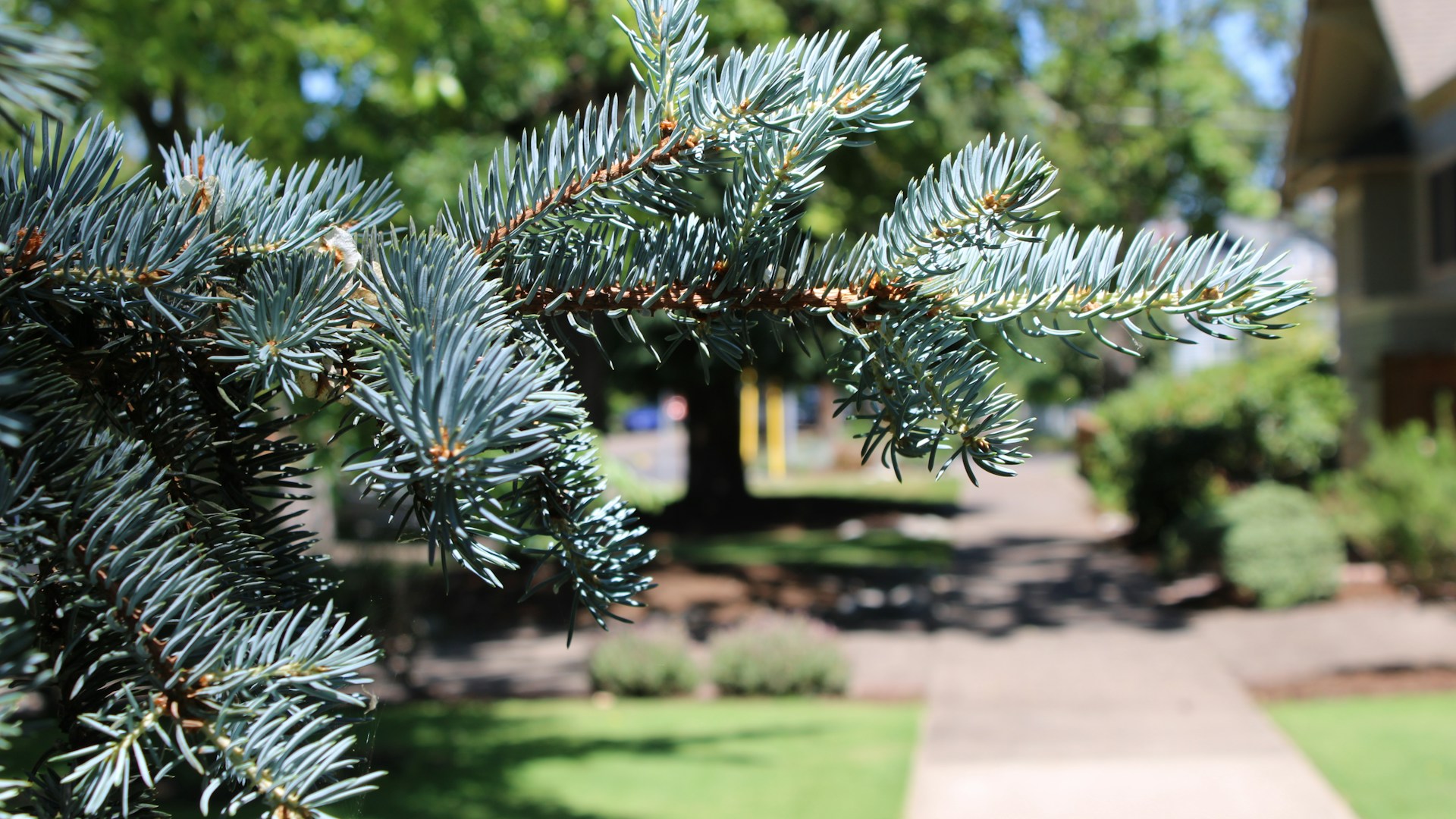
Katherine Bolton, who has lived beside the property for 35 years, fears that planting around 50 evergreen trees could put that pipeline at risk. She told the board that she had already received an estimate of $75,000 to line her own sewer pipe.
“Planting 50 evergreen trees just ten feet from a 100-year-old clay sewer line is virtually guaranteed to cause severe root intrusion, pipe structural failure, and catastrophic sewage backups,” she said.
Another Neighbor Says The Shrubs Are Gone And The Fence Could Hurt Deer
Chuck Bauernschmidt, another neighbor, also questioned the changes around the property. He presented photographs and said much of the existing shrubbery had been removed.
He also warned that the proposed spear-topped fence could injure deer moving through the neighborhood. Those objections landed on a project that had already faced resistance over its six-foot security fence.
Kelce’s Team Says It Paid $7,500 Toward The Sewer Line “Just To Show We’re Good Neighbors”
Kelce’s representatives pushed back on the idea that they have ignored the community. Jacob Kutz of Tiny Construction, who oversees the project, told the board that the property owners had already paid to repair part of the damaged sewer line.
They did it “without asking for any help, just to show we’re good neighbors,” he said. The $7,500 repair was presented as proof that the project team was willing to fix problems instead of leaving residents to deal with them.
The team also reworked the fence proposal. It moved the fence two feet inside the property boundary, added gates to keep neighbors’ access to the sewer line, and dropped the plan to extend the fence toward the water.
Officials Said Yes To The Front Yard Trees, And No To The Shoreline Saplings
The latest hearing did not deliver everything Kelce’s side wanted. Officials approved landscaping at the front of the estate, subject to conditions on tree spacing.
They held back approval for shoreline saplings because of concerns about how tall they would eventually grow. The couple will now have to submit another revised proposal.
For Kelce, the task is no longer just building a secure and attractive home. It is finding a plan that satisfies local rules without causing more friction with the people next door, as reported by The Times of India.
Why Trees And Old Sewer Pipes Can Be A Bad Mix
You do not need to own a mansion to run into this problem. Tree roots naturally search for water and nutrients, and an older underground pipe with small cracks or loose joints can give them a way in.
Once roots enter a line, they can slowly widen the damage and catch debris, which can lead to slow drains, blockages and costly repairs. That is the reasoning behind Bolton’s warning, and it is a concern plumbers and landscapers often raise about older clay lines.
What To Check Before You Plant Near A Sewer Line
If you are planning new landscaping at your own home, a little homework now can save a lot of money later. Here is a short checklist worth running through.
- Find out where your sewer line runs. Your city or utility office may have records, and a plumber can locate the line with a camera inspection.
- Ask about the pipe material. Older clay or cast-iron lines tend to have more joints and more places for roots to get in.
- Pick the right tree for the spot. Ask a local nursery which species have aggressive roots and how far from pipes, foundations and driveways each one should go.
- Think about full-grown size, not the size of the sapling. A tiny tree at the nursery can become a tall one, which is the exact concern officials raised about the shoreline saplings in Bratenahl.
- Check local rules and talk to the neighbors. Boards often care about spacing, height and shared utilities, and a friendly conversation up front can head off a long hearing.
The Bigger Lesson From Bratenahl
This story shows how a single yard can turn into a community conversation when pipes, fences and privacy are involved. Even a team that spent $7,500 to repair part of a damaged line can still be sent back to revise its plan.
Most homeowners will never face a board hearing over evergreens. The takeaway is simple for everyone else: know what is under your yard, plant with the grown-up size in mind, and treat the neighbors as part of the project.
More Stories You May Like
- Thirty-Year Mortgage Rates Drop To 7.24% After Hitting 7.40% In October, But Buyers Are Still Facing Borrowing Costs Far Above The 6.17% Rate Seen A Year Earlier
- Indiana Homeowners Fixed Their Violations And Were Never Fined, Then Found Legal Fees On Their HOA Accounts, And One Owner Says Neighbors Were Charged $400 A Letter Over A Garage Trim And A Tree
- Long Island Man Allegedly Posed As A Real Estate Agent And Rented Out Apartments He Did Not Own, Pocketing $61,625 Until One Renter Arrived To Find Another Family Already Living There
Leave a Reply