Shana Roberts is a registered nurse and a single mother of three, and her water bill usually runs between $111 and $140 a month. Then August arrived, and the bill from Fort Lauderdale came in at $896.
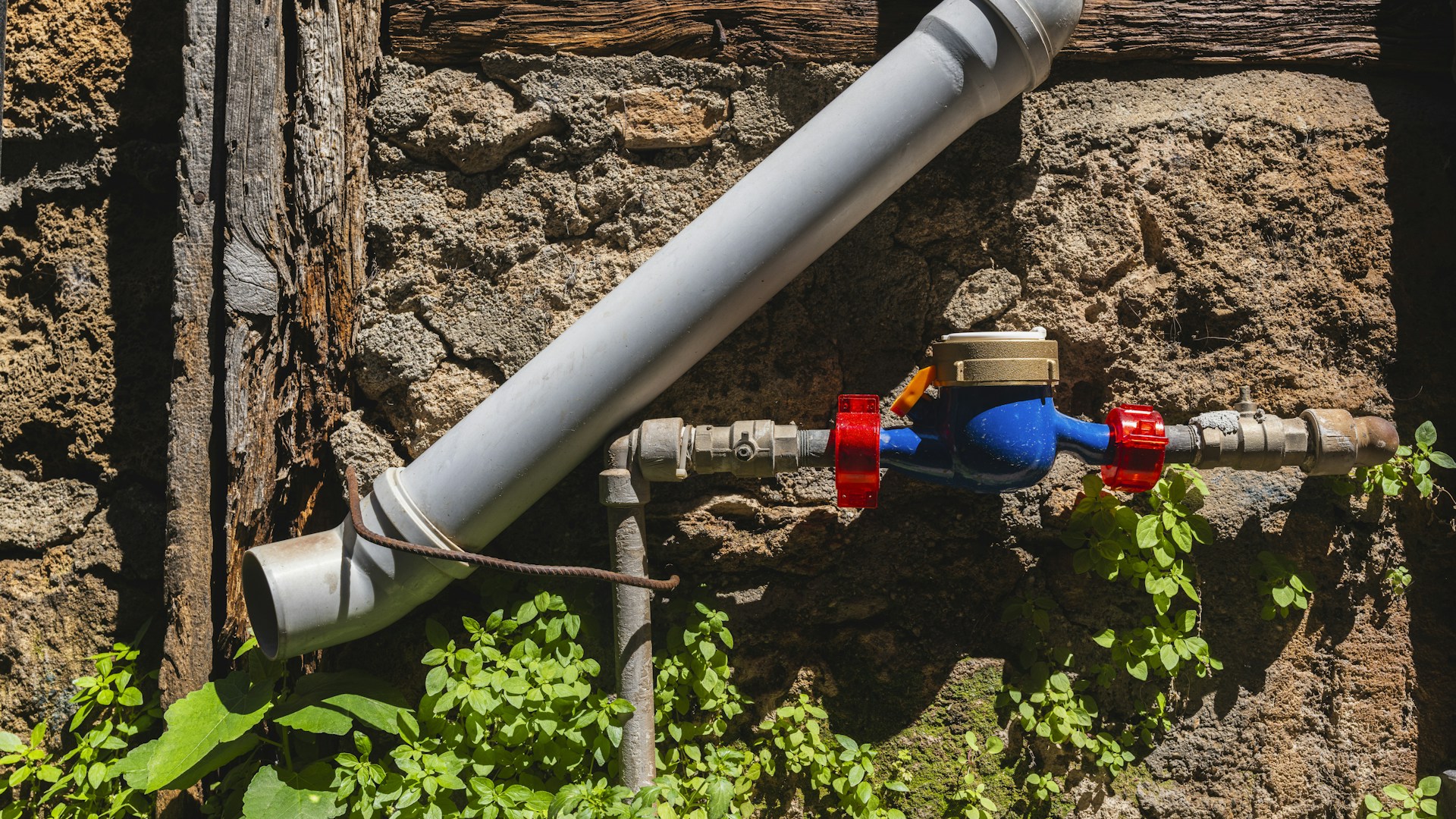
According to WSVN, as retold by The Cool Down, that was about eight times the charge from the month before. For a family on one income, it was a number that stopped her cold.
“I’m Not Watering The Whole Community”
In mid-August Roberts received a notice that the city had replaced her old meter with a smart meter. She had assumed the switch would simplify meter readings, not send her bill through the roof.
“I have never had that high of a bill, I mean, I’m not watering the whole community,” she said.
The city replaced roughly 65,000 meters as part of its smart-meter program. It said her usage had already begun rising before her meter was swapped, and an email from the city listed running or leaking toilets and faucets as common causes of a spike.
Her reaction is familiar to anyone who has opened a utility bill and felt their stomach drop. A bill that suddenly jumps from the low $100s to nearly $900 raises an obvious question about whether something changed in the house or on the utility side.
A Plumber Checked Her Home And Found Nothing
Roberts did what many homeowners would do and hired a plumbing company. It found no obvious explanation, and its paperwork stated that her toilets were not running randomly and that her meter did not move for more than an hour.
That test is a handy one. If every faucet and appliance is off and the meter still moves, water is going somewhere, and if it stays still, the problem may lie elsewhere.
She sent the plumber’s findings to the city with a request for an adjustment. The city told her it would respond within 30 to 60 days and that she should pay the bill in the meantime.
The City Cut Her Bill The Day After A TV Station Called
Roberts could not afford to pay $896, so she contacted WSVN’s 7Investigates team. The city approved her request the day after the station reached out.
The adjustment, labeled “Unexplained high water consumption adjustment,” lowered her balance to $244.90. That is a drop of $651.10 from the original bill.
She still wants an inspector to check her meter, saying she does not want another headache. Fort Lauderdale offers meter tests for residents who doubt their meters are accurate, and if a meter is faulty, the customer receives a credit for the excess charges and a replacement meter.
The timing of the city response is what stands out in her story. After weeks of paperwork and a 30 to 60 day waiting period, an answer came within a single day of a reporter getting in touch.
Other Cases Show Why She Is Not Alone
The Cool Down listed several other stories to show that high water bills can strike anywhere. In one, a Florida homeowner’s bill rose sharply before the utility reported 1,400 gallons used in 10 hours.
A Florida renter received a $30,198 water bill tied to 1 million gallons used after a shutoff. In Fowler, California, a $40 bill became $3,700 and officials found 900 faulty meters.
A Los Angeles couple with a broken meter received a $9,200 water bill. Not every one of those stories ended in a mistake, but each started with a customer holding a number that made no sense.
What To Do If Your Water Bill Suddenly Jumps
If your bill spikes, start by comparing it with the last several months, not just last month. Look at the usage figure itself, since the dollar amount can hide whether the change came from gallons or from rate changes.
Next, check for leaks. A running toilet is a classic culprit, and a few drops of food coloring in the tank will show a leak if color seeps into the bowl without flushing. Look for dripping faucets, a leaking irrigation line, and damp spots near the meter or the main shutoff.
You can also do the same test the plumber did. Turn off everything that uses water, find your meter, and watch the dial or the leak indicator for an hour, and any movement means water is flowing.
Then put your request in writing. Contact the utility, ask for an adjustment or a meter test, attach any plumber’s report or photos, and keep copies of every email. Ask about the timeline and whether you must pay in the meantime, as the city told Roberts, and ask what happens if you cannot.
If you get nowhere, escalate. Ask for a supervisor, contact your city or county customer service office, and consider calling a local consumer reporter, as Roberts did, to get another set of eyes on the problem.
It also helps to keep your own record of readings. Take a photo of the meter every few weeks, so you can show the utility exactly when the numbers changed.
The lesson from her story is plain. Document everything, do not assume the bill is correct just because it is printed, and keep asking questions until someone explains the number.
More Stories You May Like
- California Brothers Promised Affordable Backyard Homes, Now Face 35 Felony Counts Each After Prosecutors Say They Collected More Than $1 Million From 13 Projects Without Doing The Work
- Queens Woman Rationed Her Air Conditioning For 10 Years, Then Learned Con Edison Was Billing Her For The Apartment Upstairs, And The $6,000 Refund Only Covers Six Years Of It
- Thirty-Year Mortgage Rates Drop To 7.24% After Hitting 7.40% In October, But Buyers Are Still Facing Borrowing Costs Far Above The 6.17% Rate Seen A Year Earlier
Leave a Reply