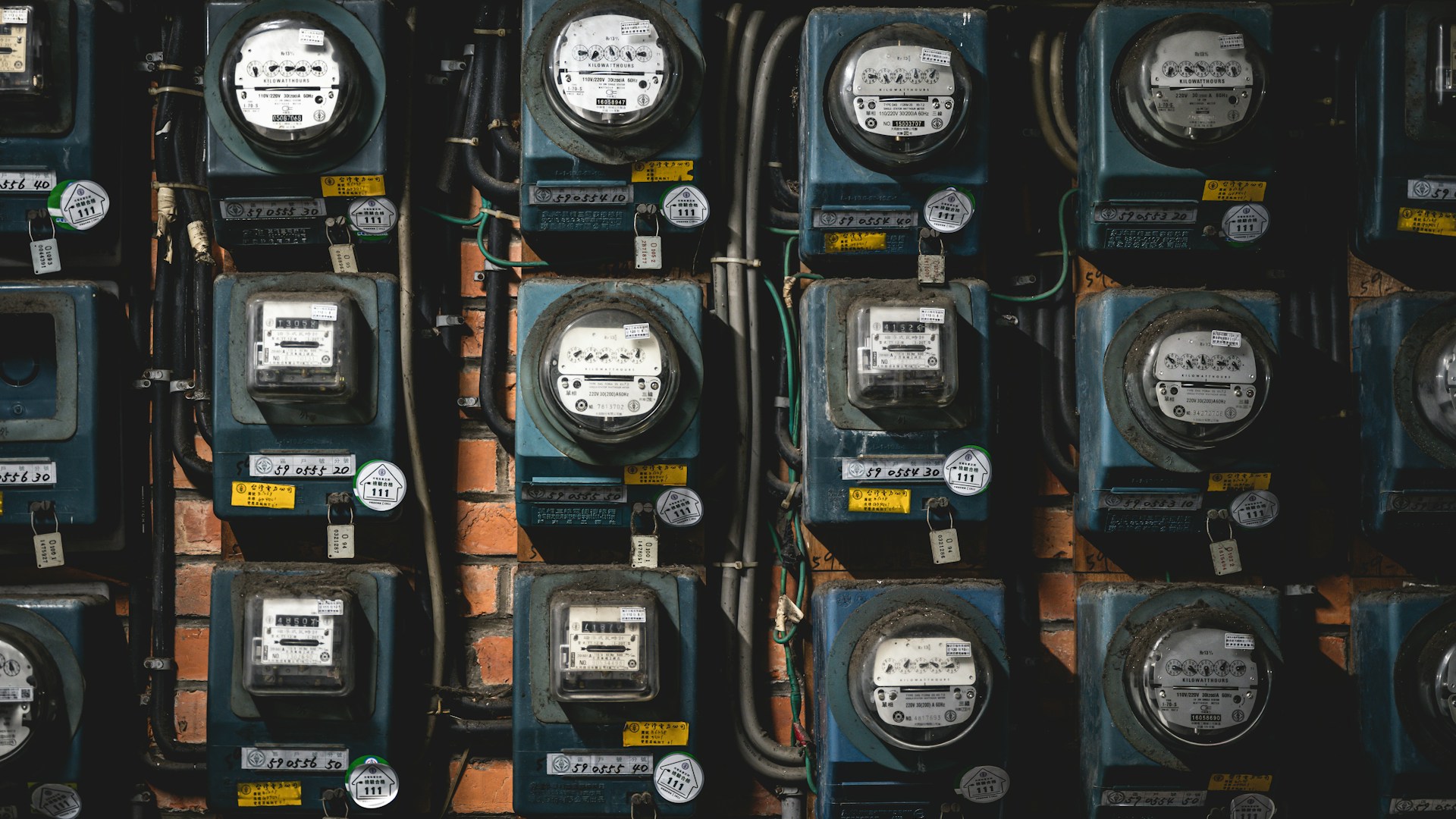
A Maryland renter opened a winter electric bill for roughly $450 and had one thought: that cannot be right. Then came a second thought, and it was a worrying one. Was the meter also counting power used next door?
The question appeared in a post on Reddit’s r/Renters and was retold by Jennifer Green for The Cool Down on Nov. 8, 2026.
The Neighbors’ Electricity Was Included In Their Rent
The renter lives in a converted garage attached to a house. While the neighbors were moving out, the renter learned that their electricity had been included in rent by the landlord.
That detail raised a suspicion that the two units might be tied together somehow. In a follow-up, the renter said the neighboring unit “has been empty since early October.”
If the meter did record both apartments, an empty unit could still add to the bill, since heating and cooling equipment, water heaters and appliances next door may keep drawing power.
Winter bills are already a shock for many households. A number like $450 is enough to send any renter hunting for an explanation, especially in a small converted space.
Commenters Said To Call The Utility And Ask About The Meter
Commenters urged the renter to contact BGE, the utility, and ask whether the meter was recording electricity for both apartments.
Others suggested checking billing history for seasonal air conditioning use. One commenter said their own bill fell from about $250 to $150 after summer ended.
That is a fair reminder that a high bill is not always a mix-up. Use of heat, electric water heaters, space heaters and cold-weather habits can all raise the total.
“The Magic Phrase Was To Ask For Them To Review For A Meter Mix-Up”
One commenter described a long fight. Months passed while they paid for someone else’s air conditioning, and they succeeded only after asking the utility to review for a meter mix-up.
“The magic phrase was to ask for them to review for a meter mix-up,” the commenter wrote. The review took three days and the charges were backdated.
The renter planned to call BGE and ask for a technician to check whether wiring had been switched.
Three days is a short wait compared with months of overpaying, which is why that commenter shared the tip so eagerly. Language matters when you call, and a clear request tends to reach the right department.
A Possible Wiring Problem, And What Code Enforcement Does
Another commenter suggested the landlord and an electrician might need to fix mixed wiring, with code enforcement as a fallback if repairs stalled. In such cases, the commenter said, fixtures or appliances in separate units can share a breaker, so the meter records both.
That kind of problem shows up most often in converted spaces, where a garage, basement or addition may have been wired into the house panel rather than given its own separate service.
Fixing it is a job for a licensed electrician, and tenants should not attempt to trace wiring themselves.
Paperwork That Can Settle The Question
A self-described former utility bill analyst weighed in with a practical point: customers may be asked for a current meter reading and to identify their meter. Knowing which meter is yours can speed up a call.
Another commenter advised confirming with BGE that the two apartments had separate accounts. They also suggested asking the former neighbors for their old lease, to document the landlord’s electricity arrangement.
Together those steps create a paper trail. If the charges really did cross over, a clear record makes the request for a correction much easier.
Those steps are also useful if you ever move, since a clean record of who paid for what protects your deposit and your credit.
What Renters Can Do About A Surprising Electric Bill
If your bill jumps, start by comparing it with the same months last year and with the last few months. Weather, heating type and new appliances can all explain a change.
Next, look at the meter. Note the meter number and take a photo of the reading, then switch off everything you can and see whether the dial still spins quickly. A meter that runs fast with everything off is worth a call.
Call the utility and ask for an investigation, using clear language such as a possible meter mix-up. Ask about account numbers, service addresses and which meter serves which unit, and write down the date, the representative’s name and anything promised.
Talk to your landlord in writing. Explain the problem calmly, share the bill, and ask for help getting the wiring checked. A landlord who owns both units has a stake in sorting it out.
Keep copies of your lease, which may spell out who pays utilities. If a landlord will not act on a safety or billing problem, a local tenant rights office or code enforcement may be able to help.
Finally, keep paying what you can while a dispute is open, and ask the utility about a payment arrangement. Shutoffs are a real risk when bills go unpaid.
The renter in this story has not gotten a final answer yet, but the plan is clear. Call the utility, ask for a technician, and gather the paperwork.
More Stories You May Like
- New Jersey Renters Just Voted To Cap Yearly Rent Hikes At Just $20 For Rent Controlled Apartments, But There Is One Big Catch Waiting In December 2027
- Indiana Homeowners Fixed Their Violations And Were Never Fined, Then Found Legal Fees On Their HOA Accounts, And One Owner Says Neighbors Were Charged $400 A Letter Over A Garage Trim And A Tree
- Dad Searching For His Outdoor Spigot Shut Off Valve Found A Grenade Beside His New House, And Police Blocked The Street Until A Bomb Squad Said It Was Only Smoke
Leave a Reply