When rent stops coming in, some landlords feel the urge to take matters into their own hands. Changing the locks seems like the fastest way to get a tenant’s attention. According to a lawyer who goes by callkevinlaw on Instagram, that move is a mistake.
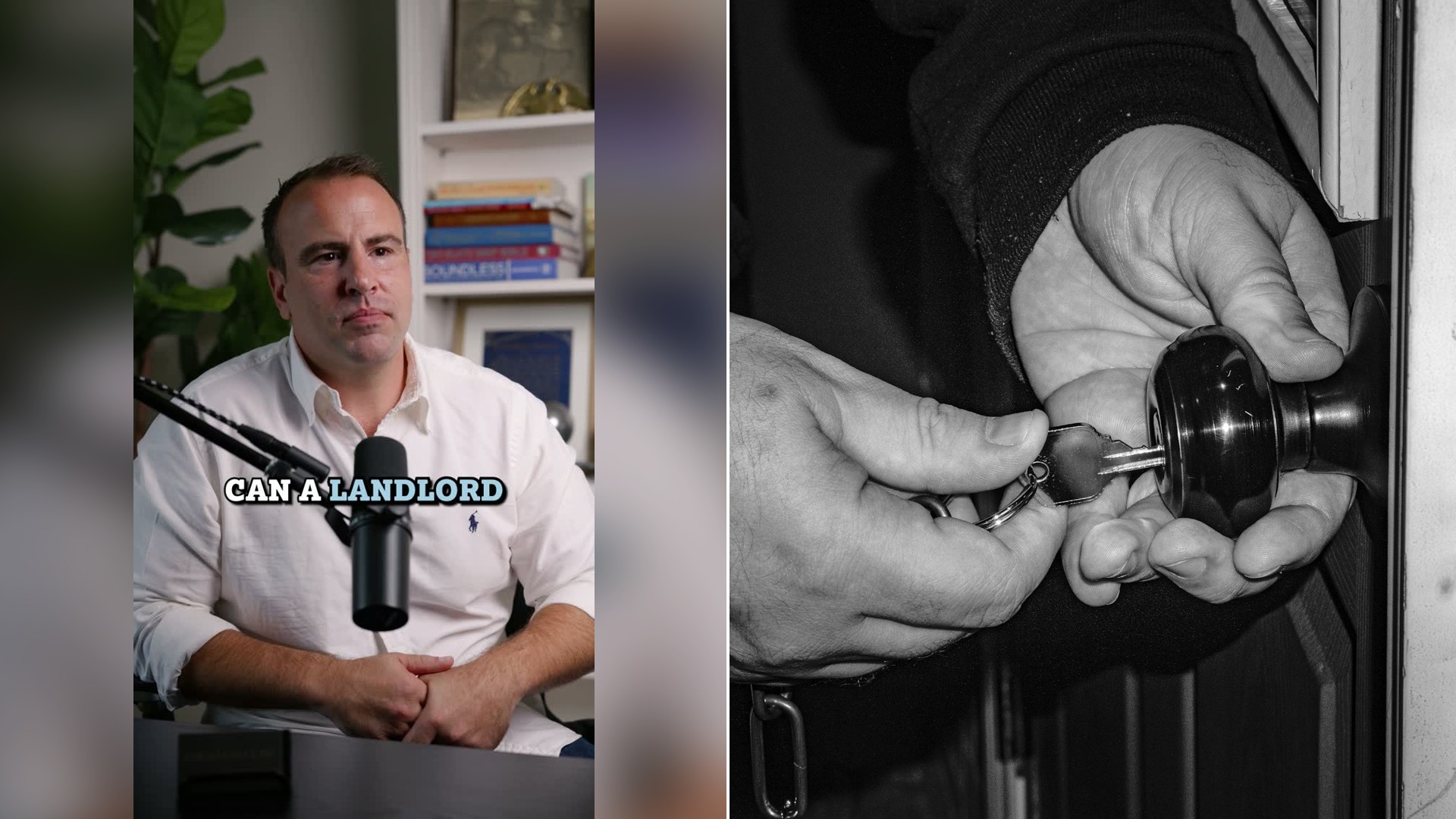
His quick-fire answer to the question of whether a landlord can change the locks when a tenant stops paying: “No.”
He ran through a handful of the most common landlord and tenant questions in one short post, and the answers matter to anyone who rents or owns a rental. Here is what he covered, plus some plain-English context to help you use it.
View this post on Instagram
“No Self-Help Evictions” Is The Rule A Lawyer Wants Landlords To Remember
The lawyer was blunt about the idea of a landlord evicting a tenant without going to court. Asked whether it can be done, he said, “No. No self-help evictions.”
Self-help eviction is the term for a landlord trying to force a tenant out without a judge’s order. Changing the locks is the classic example, and others include removing the tenant’s belongings or shutting off the utilities. Many states have laws that ban these tactics, and the lawyer’s message is that the legal route runs through the courthouse.
For landlords, the takeaway is simple. Even when a tenant is clearly behind on rent, the lock on the door is not yours to change. Using the formal process may feel slow, but it protects you from claims that could cost far more than the missed rent.
The Nonpayment Clock Starts With 14 Days Of Notice
Next came the question many landlords want answered first: how much notice must be given before an eviction can even begin? The lawyer said it depends on the type of eviction.
“If it’s a non-payment, they need to give 14 days,” he said. That means a landlord who is owed rent has to put the tenant on notice and wait out those 14 days before starting the court process.
He then described a second type, called a holdover. That is a situation where there is no lease, or the lease has expired and the tenant is still living there. For that kind, he said, the notice depends on how long the tenant has been in the home.
The practical point for both sides is that the length of notice changes with the reason for the eviction. A tenant who has missed rent and a tenant who has overstayed a lease are handled on different timelines.
A Landlord Can Keep A Deposit For Damage, But Only By Following The Notice Rules
Security deposits are one of the biggest flashpoints between landlords and tenants. The lawyer was asked whether a landlord can keep a security deposit for property damage. His answer: “Yes, but they need to follow certain notice requirements and let the tenant know why.”
In other words, a landlord cannot simply pocket the money and move on. The tenant is owed an explanation for what was kept, and the landlord has to meet the notice requirements that apply.
If you rent, this is a good reason to protect yourself from the first day. Take dated photos or video of the unit when you move in and again when you move out. Keep copies of your lease and any messages about repairs. If a deposit is ever withheld, that record is your best evidence.
Landlords can help themselves in the same way. A written move-in checklist signed by both sides, along with photos, makes it far easier to show that a deduction is for real damage and not ordinary wear and tear.
Can A Landlord Walk In Whenever They Want? Not Without Proper Warning
Another common worry is whether a landlord can enter a rental without the tenant’s permission. The lawyer said they can, as long as they give adequate notice that they will be entering to do things such as routine inspections.
The key word there is notice. A landlord who has the right to inspect, make repairs or show the unit still has to warn the tenant ahead of time. Showing up unannounced is not the same thing as proper entry.
Tenants sometimes assume the landlord has no right to come in at all, and landlords sometimes assume they can stop by any time. The lawyer’s answer sits in between: access is allowed, with warning.
What Renters And Landlords Should Do Next
The exact rules differ from state to state and sometimes from city to city, so use these answers as a starting point and as a guide to the right questions to ask about your own situation. The notice periods, deposit deadlines and entry rules in your area may differ from the ones the lawyer described.
Here are a few steps that make sense for almost everyone.
- Read your lease from start to finish and keep a copy where you can find it.
- Put important communication in writing, such as rent issues, repair requests and notices to enter.
- Keep records of payments, including receipts or bank confirmations.
- Check your state or local government’s landlord and tenant guide for the exact notice periods that apply to you.
- If a dispute is heading toward eviction or a deposit fight, talk to a local attorney or a tenant or landlord association before acting.
The bigger lesson from this quick lesson is that rental disputes are decided by process. A landlord who skips the steps, such as changing the locks, risks turning a rent problem into a legal problem. A tenant who understands the steps knows when a landlord has gone too far.
Whether you are the one collecting rent or the one paying it, knowing these basics ahead of time can save you stress, money and a lot of sleepless nights. When the rent is late is the worst moment to start learning the rules.
More Stories You May Like
- Texas Homeowner Says Lennar Called His Cracking Walls Purely Cosmetic While Still Under A 10 Year Warranty, And Now Owners In Austin And Houston Are Speaking Up
- New Jersey Renters Just Voted To Cap Yearly Rent Hikes At Just $20 For Rent Controlled Apartments, But There Is One Big Catch Waiting In December 2027
- Home Repair Costs Jumped 76% In A Decade, And The Median Project Done By A Pro Costs $4,103 Versus $845 When You Do It Yourself, But Some Jobs Can Send You To The ER
Leave a Reply