“I inherited my great-grandma’s 230-acre farm in Missouri, and my life has completely changed.” That is how @daisyonthefarm opens a post that has farm dreamers everywhere leaning in.
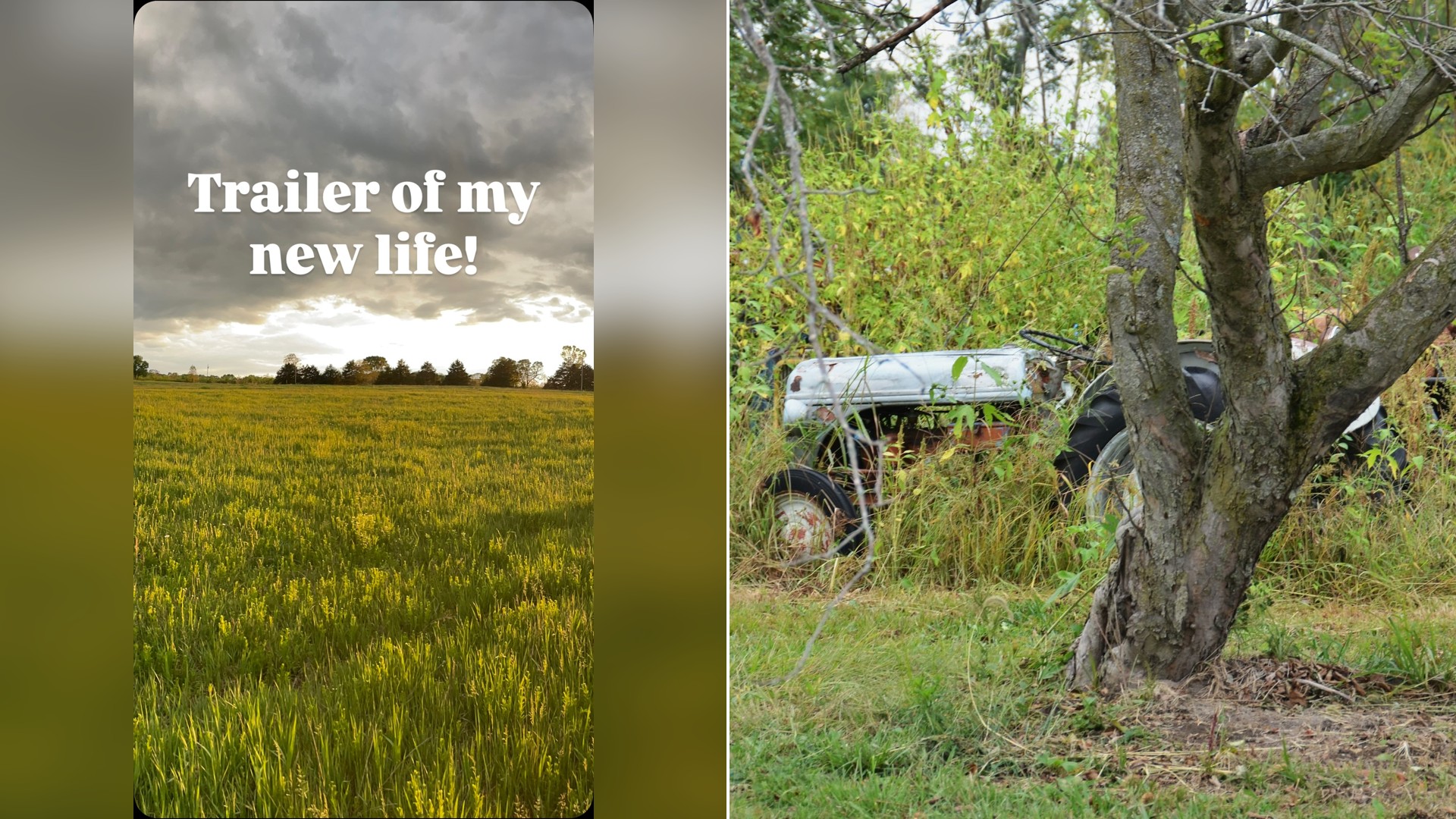
She and her family rented out their house in Florida, packed up their lives and their two dogs, and drove 17 hours to the property. It is a farm that has been basically forgotten for decades.
Now they are living in an RV on the land, and they are only getting started.
View this post on Instagram
A Florida Home Rented Out And A 17 Hour Drive With Two Dogs
Leaving a home behind is a big decision, and she did it in a practical way. Rather than selling the Florida house, the family rented it out.
Then they loaded up the car with their belongings and their two dogs and set out on a 17 hour drive to Missouri. At the end of it, the farm was waiting.
She calls the move a complete life change, and the caption on her post sums it up with a simple point of view: you inherit your great-grandma’s forgotten farm and decide to bring it back to life.
The Land Was Not All She Inherited
The acreage is only part of the story. “The land wasn’t all I inherited,” she says.
She also inherited old tractors and vintage trucks. There are buildings filled with lots of stuff, and containers full of vintage items that belonged to her great-grandma.
She describes it as decades of stuff. For anyone who loves antiques, farm equipment or family history, that is a treasure chest. It is also a very big job.
Living In An RV While The First House Goes Up
For now, home is an RV parked on the property. The family is building the first house on the land for her grandma.
The plan does not stop with a roof and walls. Her goal is to bring her family’s farm back to life, restore the farm and build their homestead.
They want to raise animals, and eventually produce clean, healthy food right there on the farm. “There is so much work to do,” she says, and she is documenting all of it for anyone who wants to follow along.
What Inheriting A Farm Can Look Like In The Real World
Stories like this one capture the imagination, and for good reason. A family farm carries history, and the idea of bringing it back to life is deeply appealing.
But an inherited property also comes with practical tasks, and anyone who ends up in a similar spot can benefit from a few general steps.
- Get the paperwork in order. Make sure the deed, title and any probate matters are settled, and keep copies of every document.
- Walk the land and take photographs. A record of buildings, fences, wells and equipment helps you plan and prove what was there.
- Check on insurance and taxes. Rural property carries its own insurance needs and property tax rules, so talk to a local agent and the county office.
- Inspect structures before anyone goes inside. Old barns and sheds can have weak floors or roofs, so look carefully before you start clearing.
Sorting Decades Of Vintage Items Without Losing The Good Stuff
When buildings and containers are full of family belongings, it is tempting to start hauling things to the dump. A better approach is to slow down and sort in rounds.
First, set aside anything that looks personal, like photographs, letters and documents. Next, separate items that could have collector or resale value, such as old tools, signs, kitchenware and machinery parts. A local appraiser or an auction house can help you understand what you have before you sell or donate it.
Take pictures as you go, and label boxes by building or shelf. For a family working through a great-grandmother’s belongings, a photo log also becomes a keepsake in its own right.
Starting A Homestead Step By Step
The family’s long-term goals include raising animals and growing clean, healthy food. Homesteaders will tell you that the best approach is to start small and add one project at a time.
A garden plot close to the house is a classic first step, and small animals such as chickens are often the first livestock people add. Fencing, water access and shelter come before anything else, so the housing and utilities usually lead the way.
Living in an RV during construction is a common bridge for people who build on their own land. It lets a family stay close to the work, and it keeps costs down while the house takes shape.
Why Forgotten Farms Are Worth Saving
Across the country, family farms have been passed down, sold off or left quiet as the older generation retires. When a younger relative steps in to restore one, it keeps a piece of local history alive and puts good land back to work.
Restoring a farm that has been quiet for decades usually starts with the basics. Clearing brush, repairing fences, checking the water supply and making buildings safe are the early chapters of almost every farm revival.
It also helps to connect with neighbors, the county extension office and local farm groups. Many rural communities are glad to share advice, equipment and stories with newcomers who care about the land.
The creator is sharing the whole journey on her Instagram page. With 230 acres, a pile of vintage treasures and a big plan, this farm is not forgotten anymore.
More Stories You May Like
- New Jersey Renters Just Voted To Cap Yearly Rent Hikes At Just $20 For Rent Controlled Apartments, But There Is One Big Catch Waiting In December 2027
- Tenants Hit With Rent Hikes Of $100 To $200 After A Sale Banded Together, 24 Refused To Sign Leases, And The Landlord Has Already Cut His Offer To $75 A Month
- California Landlord Reaches A $19.25 Million Settlement After A Tenant Was Charged Almost $2,000 For Work That Cost $907 And Another Got A Carpet Cleaning Bill For A Concrete Slab
Leave a Reply