A Michigan reporter says you do not need a contractor, a big loan or a free month to take the bite out of this winter’s heating bills. Roughly $50 and a single afternoon, by his count, is enough to shut the door on the worst of the drafts in a typical older house.
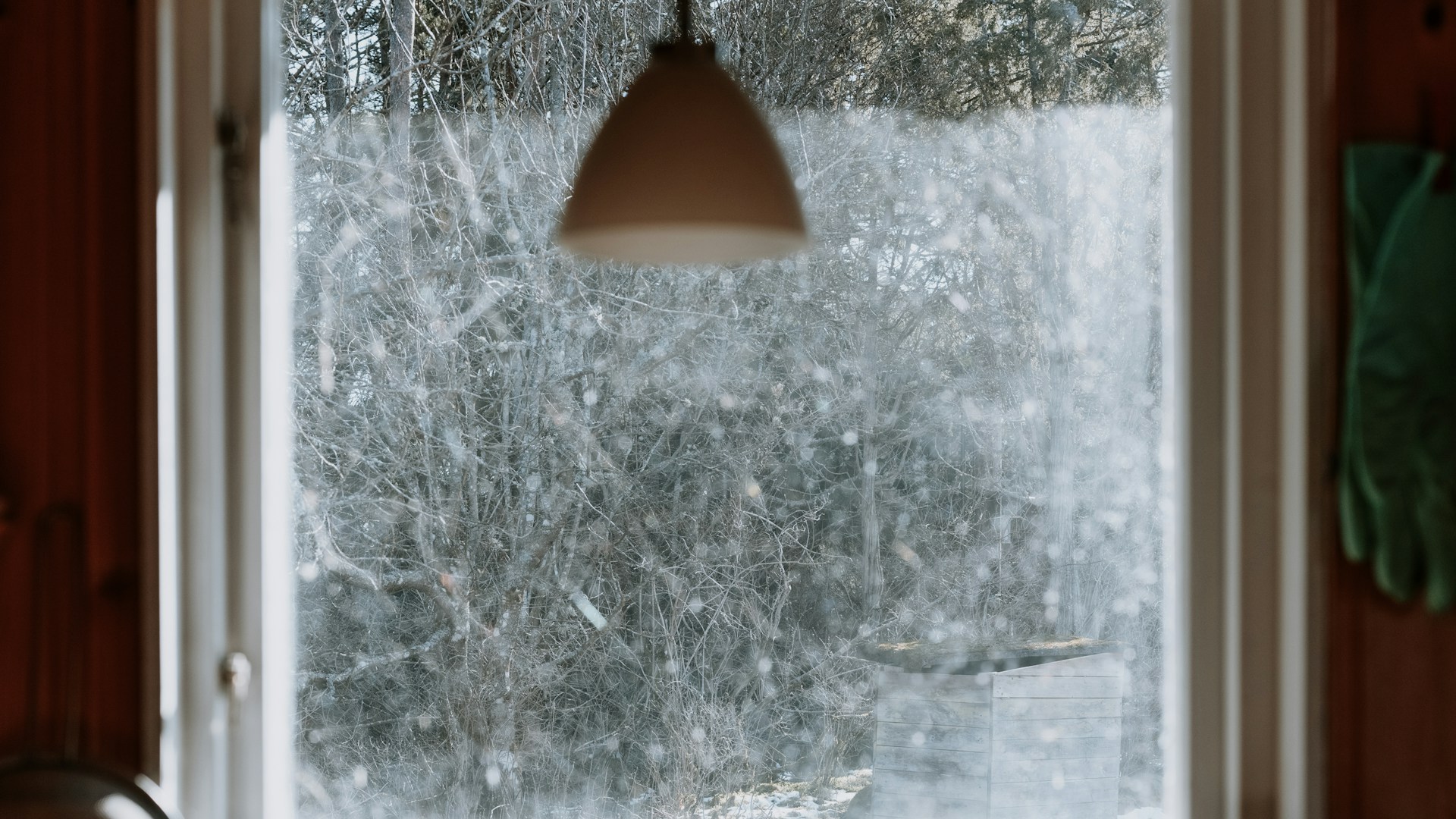
The pitch arrives just as household heating costs are projected to climb again this season. For anyone living on a fixed income, or anyone who simply remembers last January’s bill with a wince, that is worth a Saturday. The four fixes come from a Nov. 9 home energy report out of Detroit.
A Hair Dryer Turns Plastic Film Into A Tight Winter Window
The first fix is a window insulation kit, the shrink-film kind sold at most hardware and home stores. You tape clear plastic over the inside of the window frame, then warm it with an ordinary household hair dryer so it pulls drum-tight and smooth.
Once it is tight, the film acts a lot like an extra pane of glass, trapping a thin layer of still air between itself and the window. That layer is what slows down the cold that creeps in around old frames and glazing.
The hair dryer is the part people do not expect. You are not blasting the plastic for long, just moving the warm air over it until the wrinkles vanish, and the film does the rest by itself.
A few small habits make the job go easier. Clean the frame first so the tape sticks, and measure twice before you cut the film. Start with the windows on the north and west sides of the house, which usually take the worst of the winter wind.
A Rolled Towel Can Block Up To 30% Of The Cold Sneaking Under Your Door
The second fix lives at your feet. An exterior door sweep is an adhesive strip that fastens along the bottom of an entry door and closes the gap between the door and the threshold.
The reporter’s piece says a sweep, or even a rolled towel laid at the threshold, can block up to 30% of the cold air trying to get in. That is a startling number for something that costs a few dollars and takes about ten minutes.
If you do not have a sweep yet, the towel is a perfectly respectable stopgap. Roll it tight, tuck it against the bottom of the door, and you have bought yourself time until the next trip to the store.
Try this test before you spend a dime. On a windy day, hold your hand near the bottom edge of each entry door, or slide a sheet of paper under it. If you feel a breeze, or the paper moves, that door is a leak.
Spin Your Ceiling Fans Clockwise And Push The Warm Air Back Down
Here is the cheapest trick of all, and it costs nothing. Most ceiling fans have a small switch on the motor housing that reverses the direction of the blades.
In winter, set the fan to turn clockwise at low speed. Warm air naturally rises and collects near the ceiling, and a gentle clockwise spin nudges that warmth back down into the living space without creating a wind-chill effect on the people sitting below.
Keep the speed low. The goal is to stir the room, not to feel a breeze, and a fast fan would undo the benefit.
Flip the switch before you turn the fan on, and use a sturdy step stool rather than a wobbly chair. If you cannot find a switch, check the owner’s manual or the maker’s website for your model.
Foam Gaskets Behind Your Outlet Covers Stop Sneaky Drafts In The Walls
The fourth fix is the one almost nobody thinks about. Outlets and light switches on exterior walls are small holes in your house, and outside air can slip right through them.
The remedy is a foam gasket, a thin pre-cut pad that sits behind the cover plate. You switch off the power at the breaker, unscrew the plate, press the foam into place and screw the plate back on.
Focus on the walls that face the outdoors, since that is where the cold pushes hardest. Interior walls matter far less.
Safety first, always. Turn off the breaker for that room, confirm the power is dead with a tester, and never touch the wiring behind the plate. If anything inside the box looks scorched, cracked or loose, stop and call an electrician.
Michigan Utilities And The State May Pay You To Do Even More
Doing the cheap fixes is smart, but there is more help available if you are in Michigan. DTE Energy and Consumers Energy both run home efficiency programs, and each offers rebates and energy-saving resources for customers.
The State of Michigan also has home energy rebate programs, run through its environment and energy department. Rules and income limits change, so check the current terms before you buy anything big.
If you are in another state, your own electric or gas company and your state energy office probably have something similar. A quick phone call or a visit to the utility’s website can turn up free energy audits, discounted weatherstripping or rebates on new insulation.
How To Spend That Afternoon So The Savings Actually Show Up
Walk the house with a lit candle or a stick of incense on a breezy day, keeping it well away from curtains. Wherever the flame flickers sideways, you have found a draft worth fixing.
Do the biggest leaks first. Seal the windows and doors that you can feel, then handle the outlets, and leave the fan switch for last, since it takes five seconds.
Write the date on a note and tape it inside a cabinet, then compare your next two heating bills with the same months last year. Weather differences will muddy the picture, but if your thermostat setting has not changed, you should be able to spot a trend.
Finally, remember that sealing a house has a limit. Never block vents for your furnace, water heater or any gas appliance, and keep a working carbon monoxide detector on each level of the home.
None of this is glamorous. It is also one of the few home projects where the whole shopping list fits in a single bag, and the work is done before the evening news.
More Stories You May Like
- Hidden Speakeasy Found Behind A Closet Door In A 1930s California Spanish Home, Where A Floor Door Folds Up To A Tight Staircase Leading To A Prohibition Era Bar
- Couple Warned Their Neighbor For Years About A Dead Tree, Then It Crashed Into The Paid Off Home They Lived In For 25 Years, And Now They Face A $500,000 Rebuild
- Widow Who Bought Her Home 63 Years Ago Says A Neighbor’s Junk Pile And Leaning Fence Are Blocking Her Side Gate, And Code Enforcement Says All It Can Do Is Send Citations
Leave a Reply