Alexis Scott is a single mother with a seven-year-old, and she was evicted from an apartment on Destrehan Avenue in Harvey, Louisiana after living there about seven months.
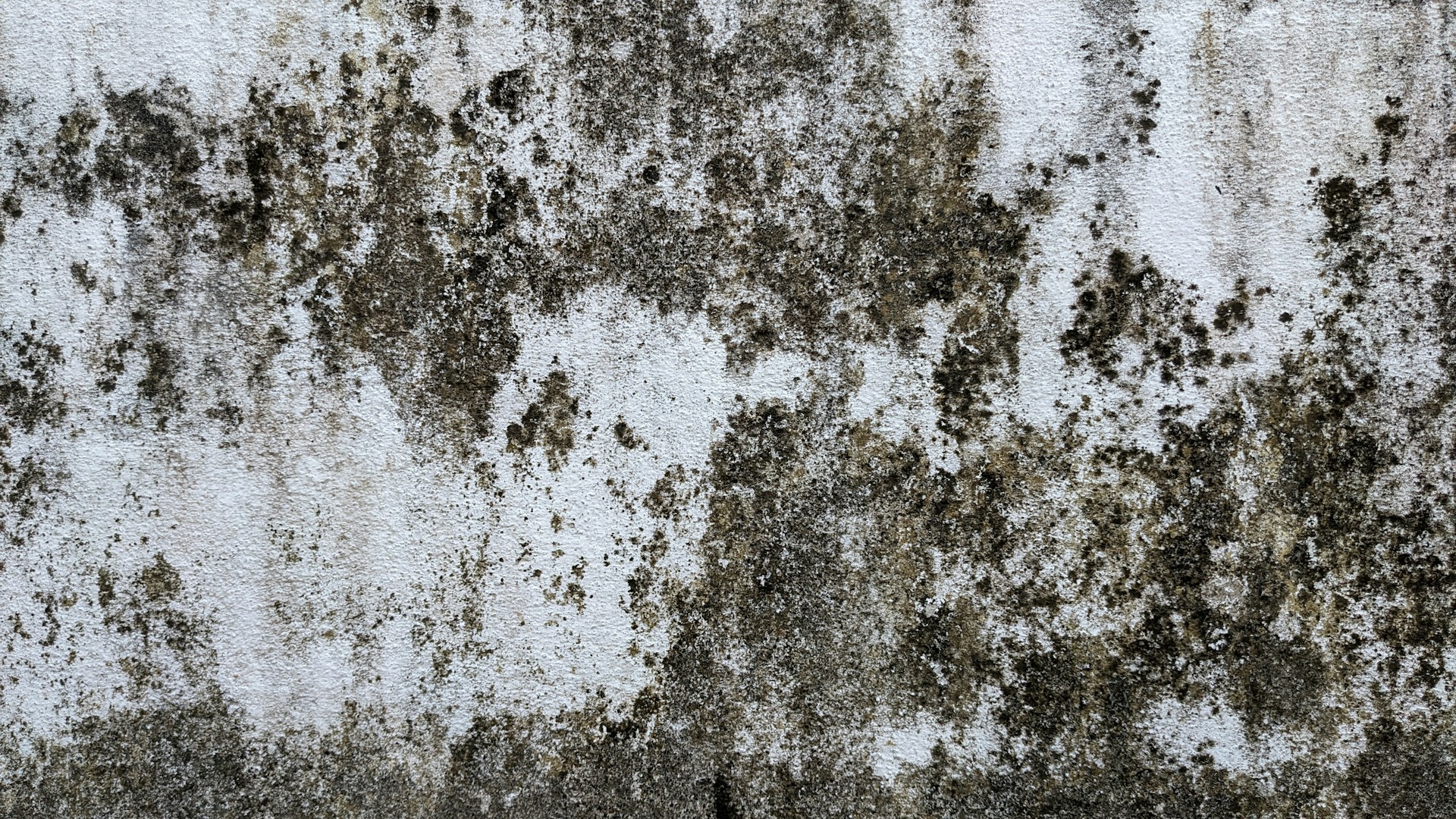
The landlord’s side of the story involves a $500 fine for siding and yard debris. Hers involves holes in the walls, mold in the bathroom and a thermostat that read over 90 degrees.
The gap between those two lists is what makes this case so hard to shake. FOX 8 New Orleans reporter Meg Gatto followed the case through the Jefferson Parish hearings.
Mold, Holes In The Walls And A Thermostat Set To 50 That Read Over 90
Scott says she stopped paying rent because she could not afford the repairs the place needed. She listed holes in the walls, mold in the bathroom, a broken front window, a gap under the door and a soft spot in the floor.
The heat inside the upstairs unit was the most dramatic detail. The thermostat was set to 50 degrees, yet it read over 90.
She says she once paid more than $1,000 to an air conditioning technician out of her own pocket. For a single mother, that is a huge bill for a repair that most people expect the landlord to handle.
The Landlord Was Allowed To Evict, Because She Admitted She Stopped Paying
This is the hard part of the story. Landlord Cuong Nguyen was legally allowed to evict her, because Scott admitted in court that she had stopped paying rent.
Nguyen did not attend the hearings himself. His wife, Kathy Le, represented him.
That is how the law often works, and it is worth every renter hearing it plainly. Even when a home is in bad shape, simply holding back rent can hand the landlord the legal upper hand.
A $500 Fine For Siding And Yard Debris Is What The Building Got
While Scott lost her apartment, the parish cited the four-unit building only for siding, vegetation and yard debris. Le agreed to pay a $500 fine plus $150 in costs.
Nothing in those citations touched the mold, the broken window or the heat inside the units. A parish official, Liza Caluda, explained that Jefferson Parish has no specific code for interior rental problems.
So the outside of the building drew a fine, and the inside, where a mother and her child were living, did not. That is the uncomfortable gap at the center of this story.
Why A Home Can Be Unsafe And Still Not Break The Local Code
Many people assume that every unsafe apartment is breaking some law that an inspector can enforce. Scott’s case shows how that assumption can fail, because the parish had citations for the outside of the building and no specific code for the inside of a rental.
That leaves a family with a mold problem in an odd spot. The conditions can be miserable, yet the official record shows only a $500 fine for siding and yard debris.
Readers who live in a parish, county or town with rules like that should know about it before they need it. A quick call to the local government office asking what rental conditions are covered can save a lot of grief later.
If you are a renter in that position, ask the office in writing what it inspects and what it does not. Keep the reply with your other records, because it tells you early whether your best route is code enforcement, a repair demand to your landlord, or a legal aid attorney.
For a parent, the stakes feel even higher. A child cannot sleep well in a hot, moldy room, and a mother who is worried about both the home and the eviction notice has very little room left to fight.
What Louisiana Law Says A Landlord Must Fix, And What A Tenant Can Do
Under Louisiana law, a landlord is required to make necessary repairs. If the landlord does not make them in a reasonable amount of time, a tenant may make the repair and deduct the cost from the rent.
That option is called repair and deduct, and it is very different from simply not paying. The rules around it are specific, so a tenant who is thinking about using it should get advice first.
Steps Any Renter Should Take Before Rent Money Is Withheld
If you are living with a serious problem, start with a written request that names the problem and the date. Send it in a way that leaves a record, such as email or certified mail, and keep a copy.
Take photos and video of everything, with dates, whether it is mold, a broken window or a thermostat reading. Keep any receipts for money you spend on repairs, just as Scott kept track of what she paid the technician.
Before you stop paying rent, talk to a legal aid office or a tenant rights group in your area. Withholding rent can end in an eviction notice, so it should never be a decision you make alone and in a hurry.
It also helps to call your local code enforcement or parish office and ask what they can inspect. In this case the parish had no code for interior problems, which is exactly the kind of fact a renter wants to know before a dispute reaches a courtroom.
Scott’s story is a reminder that a safe home and a legal home are not always the same thing. The best protection a renter has is paperwork, patience and good advice, gathered before the rent is ever held back.
More Stories You May Like
- Landlord Cannot Change The Locks When A Tenant Stops Paying Rent, Lawyer Says, And A Nonpayment Eviction Still Needs 14 Days Notice And A Trip To Court
- Army Veteran Beekeeper Loses Her Appeal Against Her HOA Over Hives Kept Beside A Park, Still Owes $2,500 In Attorney Fees And Her Bees Are Not Going Anywhere
- Texas Gardener Finally Plants Her Fall Patio Vegetables In 5 Gallon Grow Bags After A Hotter Than Normal Fall Made Her Wait Later Than Last Year
Leave a Reply