If you own land along a creek, a pond or a drainage ditch in Virginia, the state may plant a stretch of trees on it at no cost to you. The Virginia Department of Forestry is offering free streamside tree buffers again, and even homeowners associations and civic leagues can sign up.
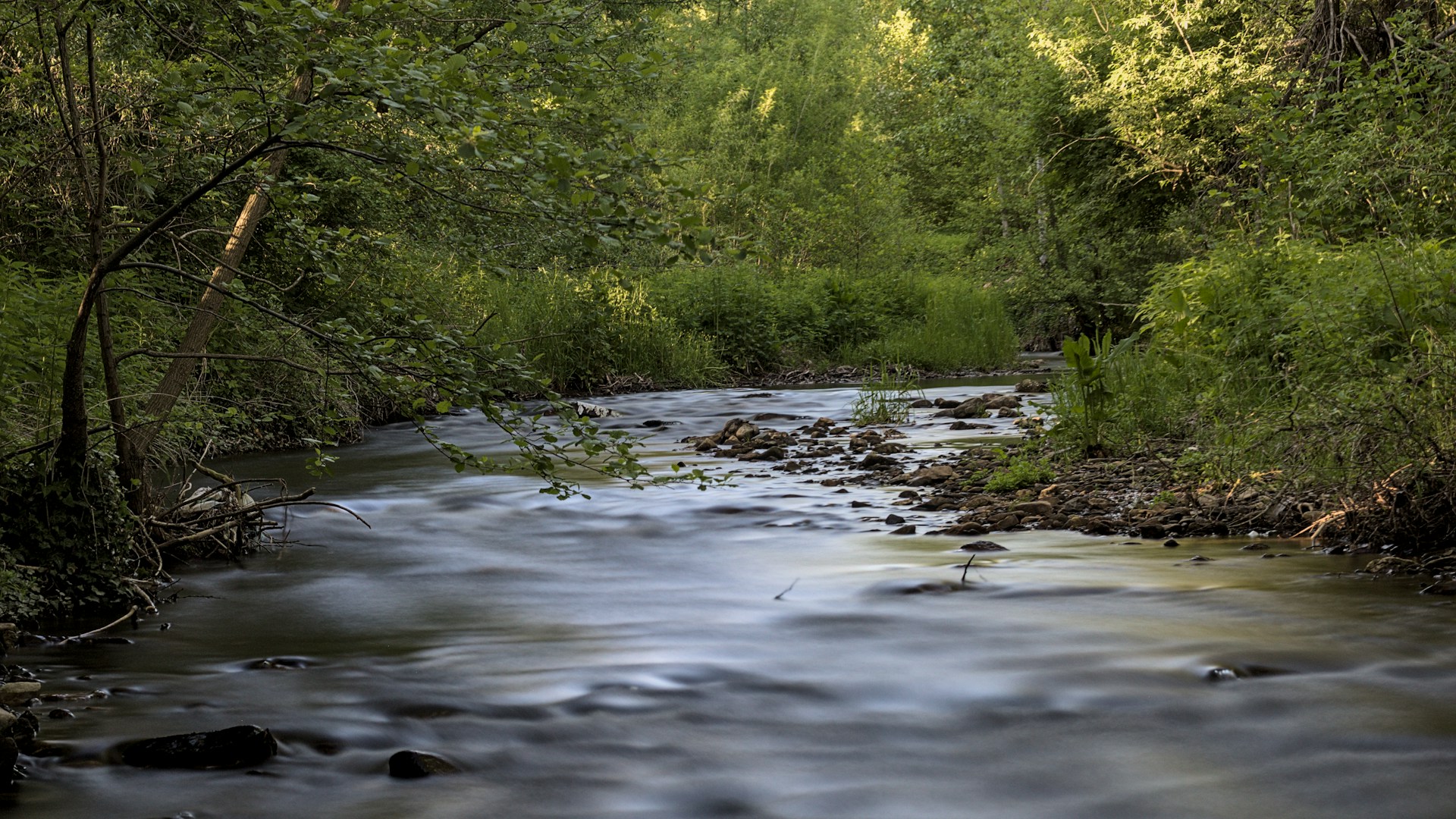
The offer is part of the department’s Riparian Forests for Landowners program, now in its third year. It is funded with $700,000 from the state’s Water Quality Improvement Fund, and enrollment runs only until that money is gone.
The State Handles Planning, Planting And A Year Of Upkeep
A riparian buffer is a strip of trees and shrubs along a waterway that filters runoff before it reaches the water. The department says buffers also play an important role in reducing the likelihood of floodwaters reaching downstream areas, and that vegetation in these zones slows and filters runoff.
Under the program, the state covers site planning, site preparation, installation and one year of maintenance. For a landowner, that means no bill for the trees, the crew or the first year of care.
Even HOAs And Civic Leagues Qualify
The program is open to private property owners in rural, urban and suburban areas. That includes property owners’ associations, homeowner associations and civic leagues, so a neighborhood with a retention pond or a stream along its common ground can apply as a group.
The water feature can be a river, stream, wetland, pond, reservoir, spring, canal or irrigation ditch. The department’s page also lists lakes, seeps, sloughs, marshes and other man-made water features.
A Pine And Hardwood Mix At Least 35 Feet Wide
There are rules on the planting. The buffer can be pine, hardwood or a mix of both, and the state plants a mix. It must be at least 35 feet wide, and it can reach up to 300 feet from the water’s edge.
Buffers go on open land next to the water where a 35 foot forested strip can be planted, and an existing buffer can be widened. The department also asks that invasive plant species cover less than 20% of the land.
Why A Strip Of Trees Matters To A Backyard Creek
Rain that runs across a lawn or field carries soil, fertilizer and other material toward the nearest water. A band of trees and shrubs slows that flow so more of it soaks in before it reaches the stream or pond.
Roots also help hold the bank together, which can matter for anyone whose yard edge is slowly washing away. Trees add shade over the water and habitat for birds and other wildlife, and in a neighborhood setting a wooded edge can make a common area more pleasant to look at.
The 15 Year Promise Every Participant Makes
The catch is time. The landowner must keep the area forested for at least 15 years. If you plan to sell, that is a commitment to think through, since the forest buffer will stay with the property.
The reward for that promise is a stand of mature trees that shades the bank, helps hold soil in place and filters the water running off your yard. Over 15 years the planted trees have time to grow into a real woodland edge.
No Deadline, But The Money Is Limited
There is no application deadline. Sign-ups continue until funding runs out, and projects are awarded first-come, first-served. Installations are planned from fall 2026 through spring 2027, with maintenance support running through 2028.
The state is already busy. According to a state news release, 825 acres of riparian buffers have been installed so far this year, with about 150 of those acres coming through the landowner program.
Because the timing runs from fall into spring, planting is done in the cooler months when young trees are most likely to settle in. A landowner who signs up now could see crews on the property before the next growing season.
How To Apply
To apply, fill out the Landowner Interest Form linked as Apply Here on the department’s program page. A forester from the department or a partner organization will contact you afterward.
Questions can go to the department’s watershed staff at [email protected] or (434) 220-9024. Partner groups helping with the work include Friends of the Rappahannock, the James River Association, Watershed Restore LLC and York River Steward.
The program is aimed at both big acreage and small suburban lots. A landowner with a farm pond and an HOA with a drainage ditch behind a row of houses fall under the same basic rules, which is why the department lists so many kinds of water on its page.
Questions To Ask Before You Sign Up
Walk your property first and measure how far the water sits from your yard. Think about where you want mowed lawn, a dock or a view, since a 35 foot strip is a real piece of ground. Talk with your HOA board or neighbors if shared land is involved, and ask the forester how the buffer would affect access to the water.
If the trees fit your plans, the free planting is a good deal, and with a fixed pot of funding, applying early gives you the best chance of getting in.
Leave a Reply