Selling a house used to mean a sign in the yard and a check at the closing table. A new survey says the bill for getting there has jumped to an average of $81,918, up 22% in just one year.
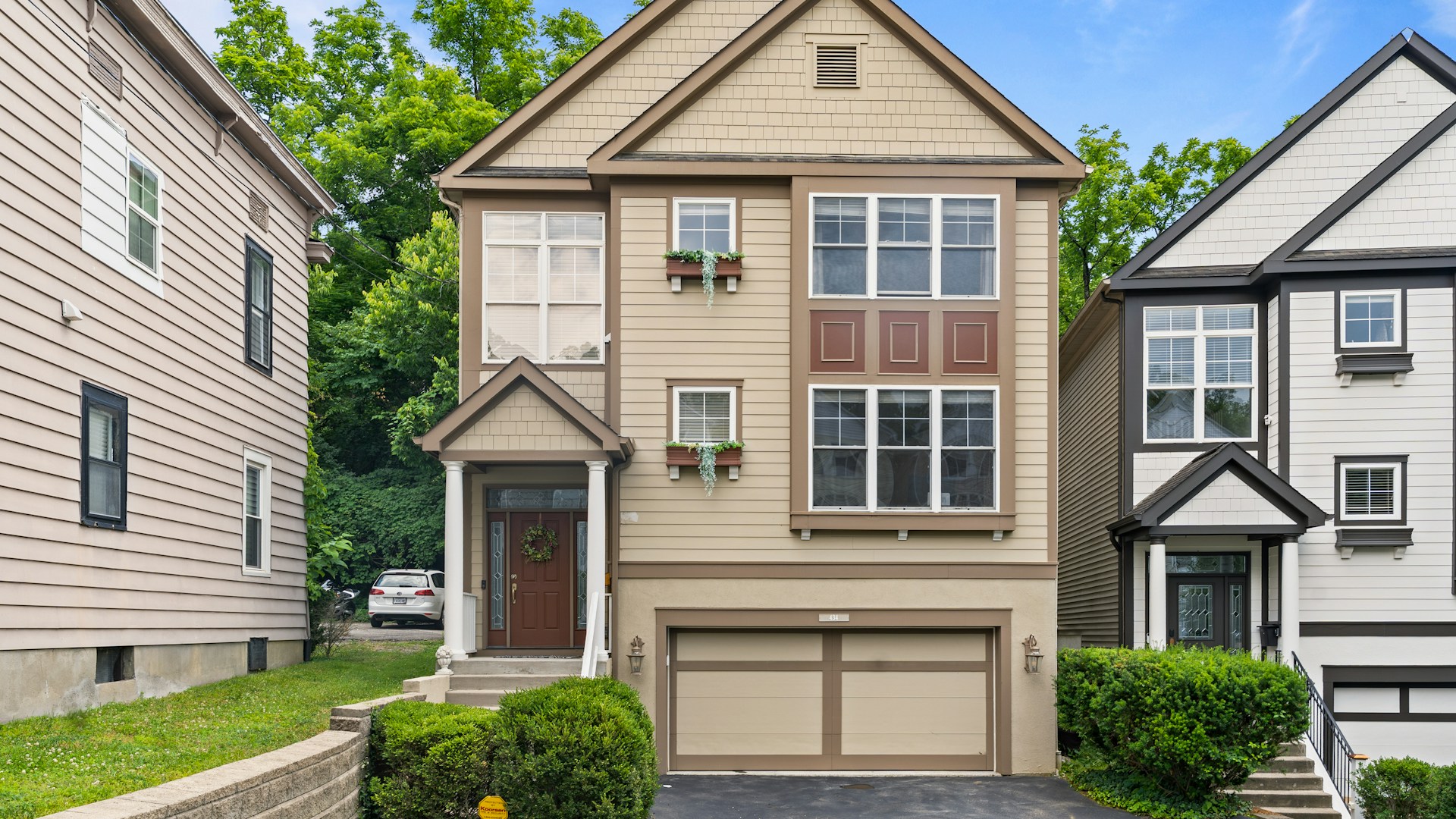
That is $14,673 more than the $67,245 sellers reported in 2025, and it is far above what most of them planned for.
The numbers come from the 2026 edition of the True Cost of Selling a Home report from Clever Real Estate, published in October 2026. The company surveyed 1,000 U.S. adults who sold a home since 2024, with responses collected from August 13 to 16, 2026. Clever is a real estate company, so treat the findings as survey data rather than an official government count.
Sellers Expected To Spend $26,883 And Got A Bill Three Times Bigger
The gap between expectation and reality is the headline. Sellers said they expected to spend about $26,883, while the average actual cost came in at $81,918.
That is a difference of more than $55,000. It helps explain why 46% of sellers said their costs went over budget.
Repairs And Commissions Each Took About $27,000
The report breaks the total into pieces, and two of them are nearly tied at the top. Repairs and improvements averaged $27,649, up 32% from the year before.
Real estate commissions averaged $27,448. That splits into $13,875 for the listing agent and $13,573 for the buyer’s agent.
Closing costs came to $11,147, up 36%. Buyer concessions averaged $9,914, moving cost $3,013, and marketing and staging ran $2,747.
Repairs are the line item sellers have the most control over, and they grew sharply this year. A seller who paints, patches and replaces worn flooring before listing can quickly reach five figures.
Commissions, by contrast, are a percentage of the sale price. That is why a higher selling price pushes the bill up even if nothing else changes.
One In Four Sellers Went Into Debt To Sell
Here is the number that stings. The survey found that 24% of sellers took on debt to cover the cost of selling.
Think about that for a moment. These are people who owned a home, often with plenty of equity, and still had to borrow to get out of it.
Timing adds to the pressure. According to the survey, 41% said their home took at least three months to sell, and every extra month can mean another mortgage payment, utilities and upkeep.
Most Sellers Gave Ground To Buyers
Negotiation is now part of the price. The survey found that 78% of sellers made concessions to buyers.
It also found that 73% accepted a lower offer in exchange for benefits such as a faster closing. In other words, many sellers traded dollars for speed and certainty.
A concession is any deal a seller makes to close the sale, such as paying part of the buyer’s closing costs or covering a repair that turns up in an inspection. At an average of $9,914 per sale, it is a line that many sellers do not think about until an offer is on the table.
The speed trade-off is easy to understand. A slightly lower offer that closes in a few weeks can beat a higher one that drags on, especially for someone who has already bought their next home.
Still, Four Out Of Five Sellers Walked Away With A Profit
There is some good news inside the report. About 80% of sellers reported a profit, and the average was $191,304.
That cushion is why many people accept high costs. But the profit was not what everyone hoped for, since 39% said it was smaller than they expected.
How To Keep Your Own Selling Bill Under Control
You cannot change the market, but you can plan ahead. These steps are general advice, and your numbers will depend on your home, your state and your agent.
- Build a full budget before you list. Add repairs, commissions, closing costs, moving and staging, then add a cushion on top.
- Talk to more than one agent. Commission rates are negotiable, and asking about fees up front costs nothing.
- Fix what matters. Spend on safety, leaks and obvious problems first, and be careful with expensive upgrades that buyers may not value.
- Decide your concession limit early. Know how much you can give on price, repairs or closing help before an offer arrives.
- Plan for a slow sale. If it could take three months or more, make sure you can carry the house that long.
It also pays to ask for an itemized estimate of net proceeds from your agent. That one sheet shows what you would actually keep after fees, and it makes the real cost visible before you sign anything.
If you are thinking about selling soon, run the numbers with a cushion in mind. The sellers in this survey expected a bill near $27,000 and received one near $82,000, and the lesson is simple: plan for more than you think.
The cost of selling now looks a lot like a major purchase of its own. Going in with a clear budget, a firm concession limit and an itemized estimate puts you in a much better spot than the average seller in this survey.
More Stories You May Like
- 9 Hidden Gaps That Let Fall Bugs Into Your House
- Kitchens Got Bigger And Prettier But Lost 10 Genius Features Like Plate Racks, Butler Pantries And Appliance Lifts, And Now “We Need To Bring This Back Into Kitchen Design”
- Condo Owners Are Getting Hit With One Time Special Assessments Averaging $1,450 While Single Family Homes Pay $514, As Association Insurance Costs Jumped 75%
Leave a Reply