Nine o’clock was the start of eviction court, and at 8:59 a.m. a landlord’s phone buzzed with a $15 payment. According to real estate investor @a_real_estate_vet, that one-minute-to-court payment was meant to save a tenant’s place in the house, and it nearly worked.
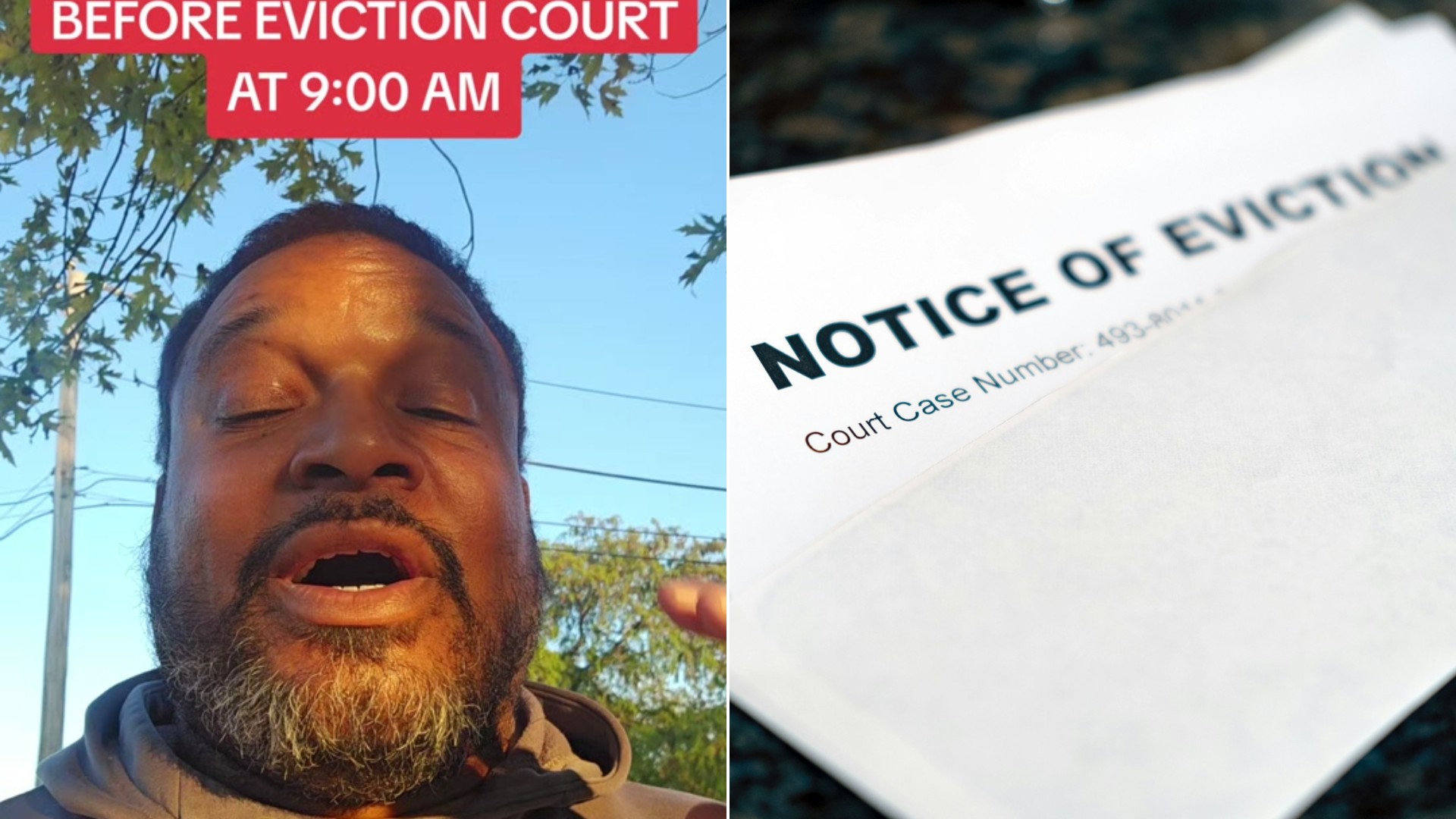
His story is a warning for every landlord who takes rent through a quick-pay app, and a reminder for tenants that a small payment does not erase a missed rent bill.
@a_real_estate_vet
The $15 Zelle Payment Landed At 8:59 A.M.
The landlord says an eviction hearing was on the calendar and the tenant had been told to appear. She waited until right before court, he says, and then sent $15 through Zelle.
He saw the notification but was unsure what it meant. A lot of landlords, he notes, have no problem with Zelle, and some commenters will say they simply turned it off. He walked into the courtroom with the payment still on his mind.
“Your Honor, I’m Under A Payment Plan”
When the judge called the case, he says, the hearing started the way these cases usually do. The judge said they were there because of unpaid rent.
The tenant answered, “Your Honor, I’m under a payment plan.” The landlord told the judge that was not true.
The judge asked whether she could prove a payment plan. She pulled up a screenshot of the $15 Zelle transfer and told the court that was her payment plan. According to the landlord, the judge accepted the screenshot as something to consider.
The Lease Said No Zelle, And That Changed Everything
This is where the landlord says his paperwork saved him. He told the judge the payment was not authorized, because his lease says they do not accept Zelle. Rent is paid through a payment service set up to pull money from the tenant’s bank account by ACH, with the service controlling the process. He says that is the only way payments are accepted, and the lease says so in plain words.
Then came the question he calls key. The judge asked the tenant if she had ever paid by Zelle before.
Her answer, as he tells it: “Normally, no, I don’t pay by Zelle. I usually pay through the service that they have.” She said she used Zelle this time because she was under a payment plan. Her argument, he says, was that by accepting the money he had agreed to a plan and wiped out what she owed.
The Judge Did Not Fall For It
The landlord says the judge did not buy it. Because the tenant had shown up to court to make that point, the landlord says, the case went forward, and he got the eviction and the judgment.
More important to him, he also got a money judgment, the order that says the tenant owes the unpaid rent.
Why He Says Landlords Should Not Walk Away From A Money Judgment
Plenty of landlords skip the money judgment, he says, because they assume they will never collect. The common worry is that the tenant will just file for bankruptcy.
His answer is that the only way to stop a landlord from collecting is to file a Chapter 7 bankruptcy and have the judge approve it. He says that is much harder than it used to be, because the person has to show that they truly cannot pay, not that they simply do not want to.
He adds that even if five tenants did not pay, he expects that three, or maybe four, would never go through bankruptcy. His advice: do not walk away from a judgment, because doing so is walking away from money you are owed.
What Landlords Can Learn From This Hearing
You do not need to be an investor to take something from this story. A few practical points follow from what he describes.
First, put your payment method in the lease. This landlord says the sentence “we do not accept Zelle” is what made the difference in front of the judge. If you only take rent through one channel, spell that out and have the tenant sign it.
Second, do not treat an unexpected small payment as a deal. If a tenant sends a partial amount and says it is a plan, answer in writing right away that it is a partial payment and not an agreement. Many landlords also keep a notice ready that says partial payments do not waive anything. What that wording should look like depends on your state, so check your local rules or ask a local attorney.
Third, bring proof. Print the lease, the ledger and any messages about payment. A judge hears many cases in a morning, and clean paperwork is easy to follow.
Fourth, ask for the money judgment. Collection rules, including wage garnishment and bank levies, vary widely from state to state, so look up what is allowed where you live.
What Tenants Should Take From It
If you owe rent, a token payment sent minutes before court is unlikely to stop anything. The better move is to contact your landlord early, ask for a payment plan, and get the terms written down and signed by both sides before you rely on them.
Also pay the way your lease says to pay. If your lease names a specific service, sending money some other way can create the very problem this tenant ran into.
The landlord’s final point is simple: paperwork wins. A clear lease and a calm presentation in court turned a $15 surprise into a judgment in his favor.
More Stories You May Like
- Landlord Cannot Change The Locks When A Tenant Stops Paying Rent, Lawyer Says, And A Nonpayment Eviction Still Needs 14 Days Notice And A Trip To Court
- Real Estate Investor Says Texting Tenants On The 2nd To Ask Where The Rent Is Trains Them To Pay Late, And His Fix Gets About 97% On Time Payments
- Louisiana Mother Evicted After She Stopped Paying Rent Over Mold, Holes In The Walls And A Thermostat Over 90 Degrees, While Her Landlord Was Fined Only $500 For Siding And Yard Debris
Leave a Reply