Plenty of buyers figure a $1.3M price tag buys a flawless house. A walkthrough on YouTube suggests that even at that price, brand new can come with a punch list.
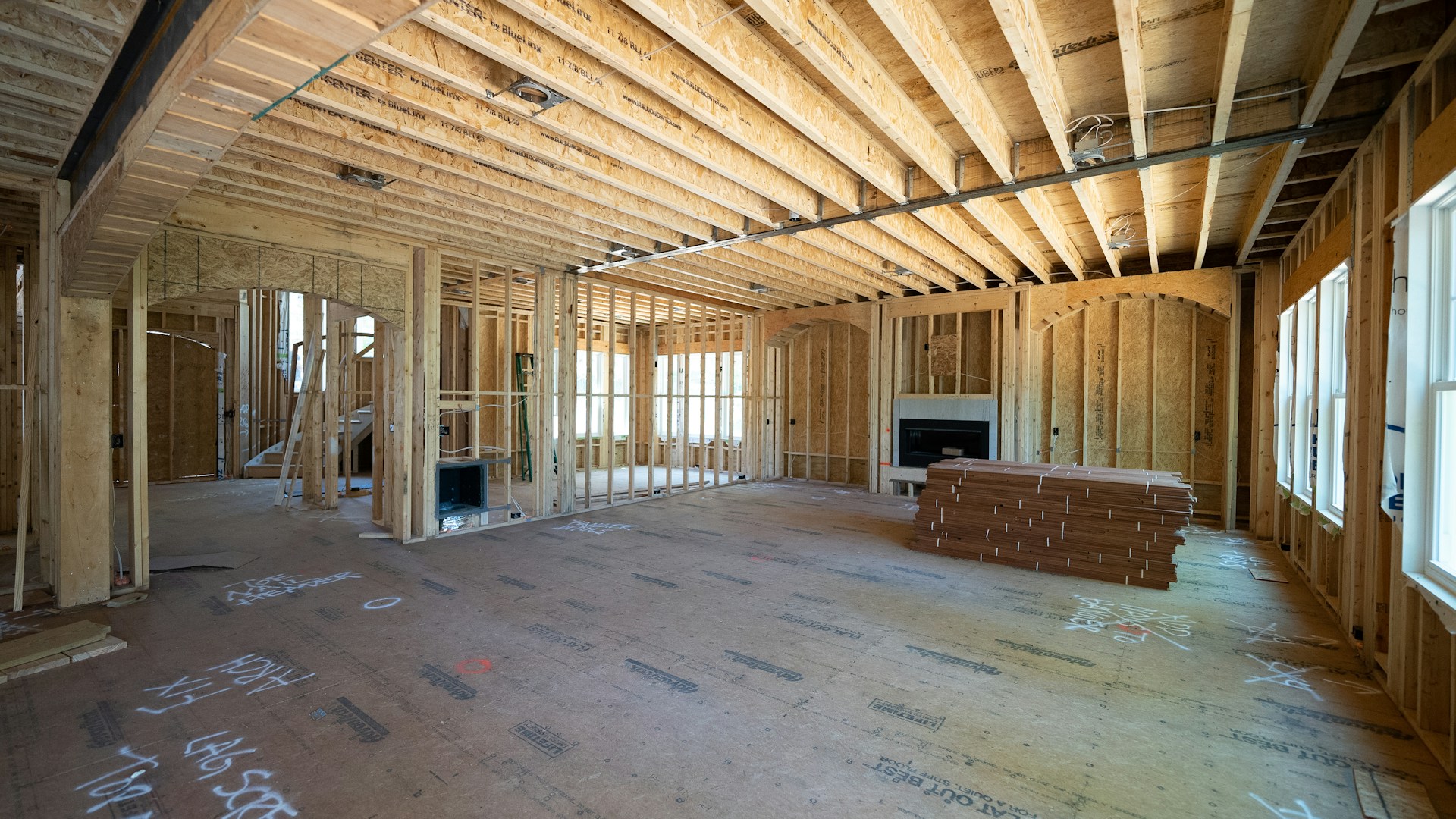
In a video from the channel new construction (inspection), an inspector tours a $1.3M new construction home and calls out defect after defect, from tile that sounds hollow to loose window trim to a window where the glass has separated from the frame.
A Dog Wash Station And A Golf Ball Test
The tour starts on a high note. The inspector points to a feature he likes: a spout installed to fill up a dog’s water bowl. “Genius,” he says.
Then he reaches the dog wash station, and the verdict changes: “That needs to be fixed.”
He follows with the golf ball test, a simple trick inspectors use on tile. Tap or roll a golf ball across the surface, and good tile gives a solid sound. “That’s what the tile should sound like,” he says, then shows a spot that sounds different. “And that’s what it shouldn’t sound like.”
Why Hollow Tile Matters
A hollow sound under tile means the tile is not fully bonded to the surface below. Mortar should fill the space under the tile so it cannot flex. When there are gaps, the tile can crack under foot traffic, and grout lines can break.
In a shower, the stakes are higher. Cracked tile and grout let water get behind the surface and into the walls and floor, where it can cause mold and rot that nobody sees for years.
Inspectors tap tile with a golf ball, a coin or the handle of a screwdriver because the sound tells them what a picture cannot.
Loose Trim And A Visible Wire Mesh
Outside, the inspector notes that the metal trim around the windows is loose. He says the material used appears not to have adhered to the metal.
At the frieze board, he points out that the wire mesh beneath the stucco is visible. “That should be fully embedded and covered,” he says.
Stucco is a layered system. The mesh, often called lath, helps hold the coating to the wall. When mesh shows through, the stucco may be too thin in that spot, which can lead to cracks and moisture problems.
One Thing Done Right
He is fair about it, too. He stops at a piece of kickout flashing, and says, “Here’s a good example of what that kickout flashing should look like. That’s done right.”
Kickout flashing is a small angled piece of metal where a roof edge meets a wall. It directs rainwater into the gutter instead of letting it run down behind the siding. It is easy to skip, and when it is missing, water can soak the wall for years without anyone knowing.
Glass Open To The Outside
The most striking moment comes in the second floor game room. “Check this window out,” he says. The glazing is separated from the frame, and he describes it as “just open to the exterior.”
Then comes the dry punchline: “No problem. It’s new and ready for closing.”
A window gap like that lets in weather, drafts, insects and noise. Windows are also a large part of a home’s energy performance, and a failed seal or a gap can drive up heating and cooling bills.
Why New Homes Still Need Inspections
Many buyers skip inspections on new houses because they trust the builder and the city. Local building departments do inspect new homes, but those inspections check code requirements at certain stages. They are not a buyer’s detailed review of finish quality.
Builders work with large crews and tight schedules. Mistakes happen, especially when many trades work in the same space. An independent inspection gives you a chance to catch them before closing, while the builder still has every reason to fix them.
How To Get The Most From An Inspection
Hire an inspector who is licensed where required and who carries insurance. Ask for a sample report. Attend the inspection if you can, because walking through with the inspector teaches you more than any report.
Consider scheduling more than one visit. Many buyers of new homes have an inspection before the drywall goes up, to see framing and wiring, and another near the end, to check finishes and systems.
After the report, make a written list for the builder and ask for a firm date to complete each item. Ask for a final walk through to confirm that everything was fixed.
Know Your Warranty
Most builders offer a limited warranty. Many offer one year on workmanship, two years on systems and a longer period on structure, but terms vary widely. Read the paperwork before closing.
Keep dated photos of any defects you find after you move in, and report them in writing within the warranty period. Do not wait until the last week.
The Takeaway
The inspector in the video went through a $1.3M house with a golf ball and a sharp eye and found plenty to fix. The price of a house does not guarantee its quality.
Whether you are buying new or old, a good inspection is a small cost next to a big purchase. Bring a notebook, ask questions and do not close until the work is done right.
More Stories You May Like
- $1.5 Million New Build Has A Shower That Is Not Watertight, A Window Open To The Exterior And A Nail Sticking Out Of The Shingles, Would You Accept This Quality
- Minnesota Homeowners Insurance Premiums Jumped From $1,313 In 2015 To $2,037 In 2023, The Largest Growth In The Country, As Hail Drives Costs
- Woman Inherits Her Family’s Home, Then A Buyer Calls And Reveals An HOA Lien She Never Knew About, And She Says The HOA Denied Her Request For A Breakdown Of The Charges
Leave a Reply