A big backyard in Las Vegas sounds like the setup for a big pool. Las Vegas agent Wendy Serrano, who posts as @wendysellsvegas, says buyers should think again.
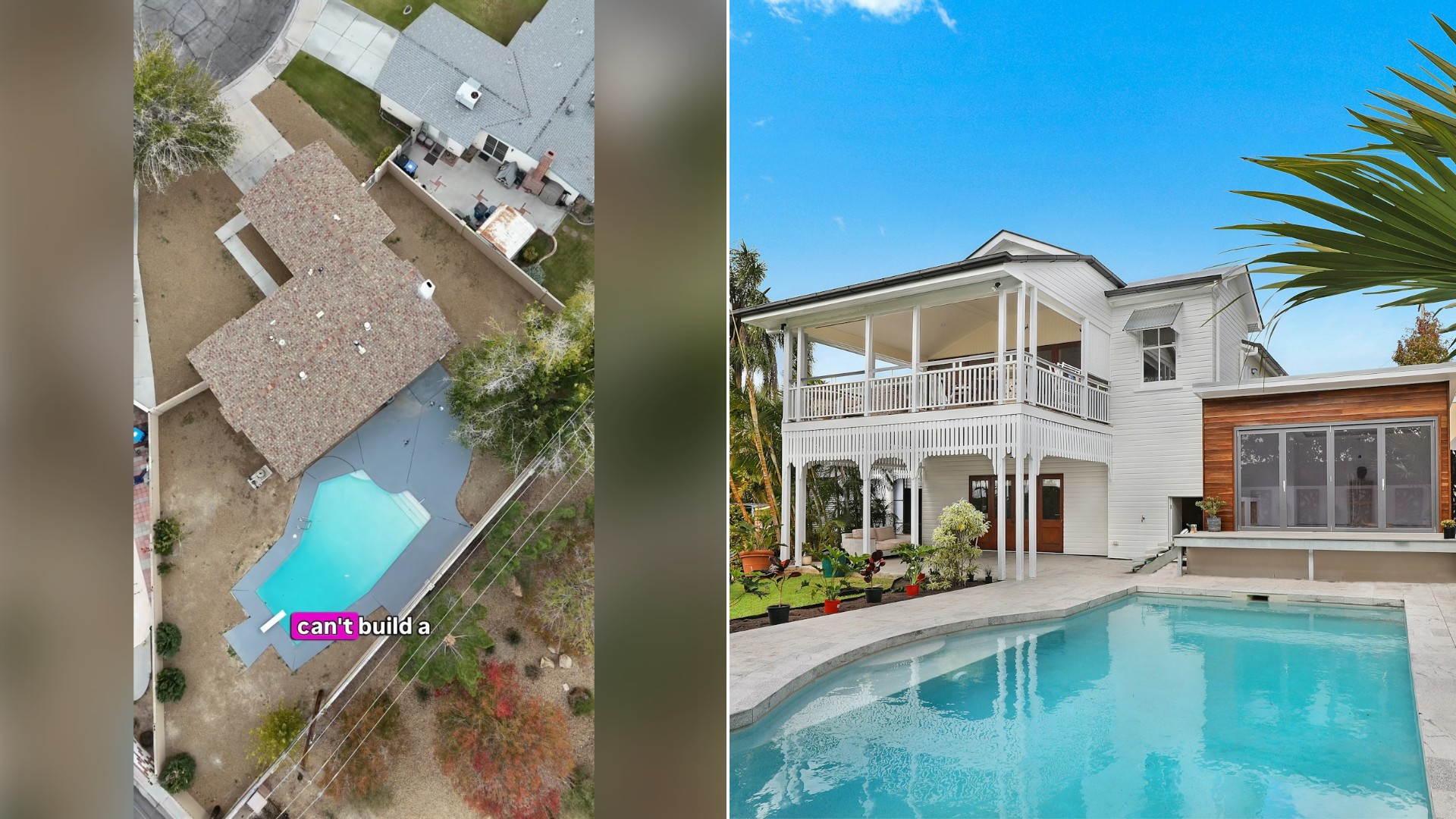
Her post is aimed at anyone thinking about buying a home and adding a big, resort-style pool. Her opener: “Planning to build a pool in Las Vegas? Here’s what nobody tells you!”
View this post on Instagram
New Pools Are Generally Limited To About 600 Square Feet Of Water
The reason is water. According to her post, with water conservation regulations in place, new residential pools in Southern Nevada are generally limited to about 600 square feet of water surface.
To picture that, think of a pool roughly 20 feet by 30 feet. It is a perfectly nice backyard pool, but it is not the sprawling lagoon that many buyers picture when they say resort style.
The Plot Twist: Some Older Homes Are Grandfathered In
Then comes the twist. Serrano says some older homes already have pools larger than that limit, and they may be grandfathered in.
In her words, that could make those homes “extra special.” A large pool that could not be built under current rules may be a rare feature on the market.
Her Buyer Tip: Do Not Assume A Big Yard Means A Big Pool
Her advice is direct. “Don’t assume a big backyard means a big pool,” she says.
Before you buy, she says, confirm the pool limits, setbacks, HOA rules, and permits, “so there are no surprises later!” She also invites buyers to send her the home they are eyeing so she can help check what is possible there.
Why The Desert Takes Pool Water So Seriously
Southern Nevada gets most of its water from the Colorado River system, and the region has spent years working to use less of it. Hot, dry air also means a pool loses water to evaporation every day, even when nobody is swimming.
That is why water-saving rules in the area have reached well beyond the lawn. Pool size is one more lever, because a larger surface means more water lost to the sky.
It also explains why a home with a big existing pool can stand out. It comes from an earlier era, and the rules have moved on since then.
What 600 Square Feet Actually Gets You
Six hundred square feet of water surface still leaves room for plenty of backyard fun. A rectangle of that size can hold a lap lane, a shallow end for the grandkids, and a corner for lounging.
Designers often work around the limit with clever shapes, built-in seating, and shaded patios next to the water. The trick is to spend on the space around the pool, since the pool itself has a ceiling.
That is a useful way to think about any home with a large yard. The yard can still be beautiful. It just may need to be planned around a smaller pool.
Questions To Ask Your Agent Before You Make An Offer
Serrano says buyers can send her the home they are eyeing so she can check what is possible. Any good local agent should be glad to do the same.
Ask them to pull the lot details, and ask what the pool rules were when the existing pool was built. Ask whether the HOA has written guidelines for pools, fencing, and equipment placement. And ask what a pool permit will require before work can begin.
Getting those answers early can save weeks of frustration and a lot of money. It is far easier to walk away from a house in the first week than to discover a problem after the earnest money is down.
Four Things To Check Before You Fall For A Pool Home
- Pool limits. Ask what size of pool is allowed on that lot under current rules, and whether an existing pool is grandfathered.
- Setbacks. Rules about how far a pool must sit from the house, walls, and property lines can shrink the usable space more than people expect.
- HOA rules. A neighborhood association can have its own approval process on top of the city or county.
- Permits. Confirm what permits you need and what they cost before you plan the budget.
If You Are Buying A Home That Already Has A Pool
A pool is a feature, but it is also a long-term cost. Before closing, ask for the pool’s maintenance history and have it inspected along with the house. Pumps, heaters, and plaster surfaces can be expensive to replace.
If the pool is larger than the current limit, ask your agent how the rules treat repairs or renovations. A pool that is grandfathered is not always free to be rebuilt in any form, and the answer depends on the local rules where the home sits.
Also think about water use. A pool cover can cut evaporation, and many owners use one in the hottest months to save water and cut chemical costs.
The Takeaway
Las Vegas is famous for excess, but the water rules reward a different mindset. New pools are generally capped at about 600 square feet of water, while older, larger pools may be grandfathered in.
The simplest way to avoid disappointment is the one Wendy Serrano lays out: check the limits, setbacks, HOA rules, and permits before you buy, not after you fall in love with the yard.
More Stories You May Like
- Pool Customers Paid About $117,545 For Repairs That Investigators Say Were Left Largely Incomplete, Some Later Got Repayments Of Just $25 To $50, And The Owner Pleads Not Guilty To Eight Felony Grand Theft Charges
- Federal Agency Warns Owners To Stop Using About 210,000 HAIARA Power Banks Sold On Amazon And Newegg After 600 Reports Of Fires Or Explosions
- Texas Town Votes 5 To 1 To Approve An 88 Acre Data Center About 500 Feet From Keller Backyards After A Restraining Order And A Settlement That Adds Noise Limits And $1.8 Million For Monitoring
Leave a Reply