A $2M price tag is supposed to buy a house with nothing to worry about. A home inspector who walked through a brand new house at that price says he found plenty to worry about, starting with outlets in the floor that were loose in their boxes.
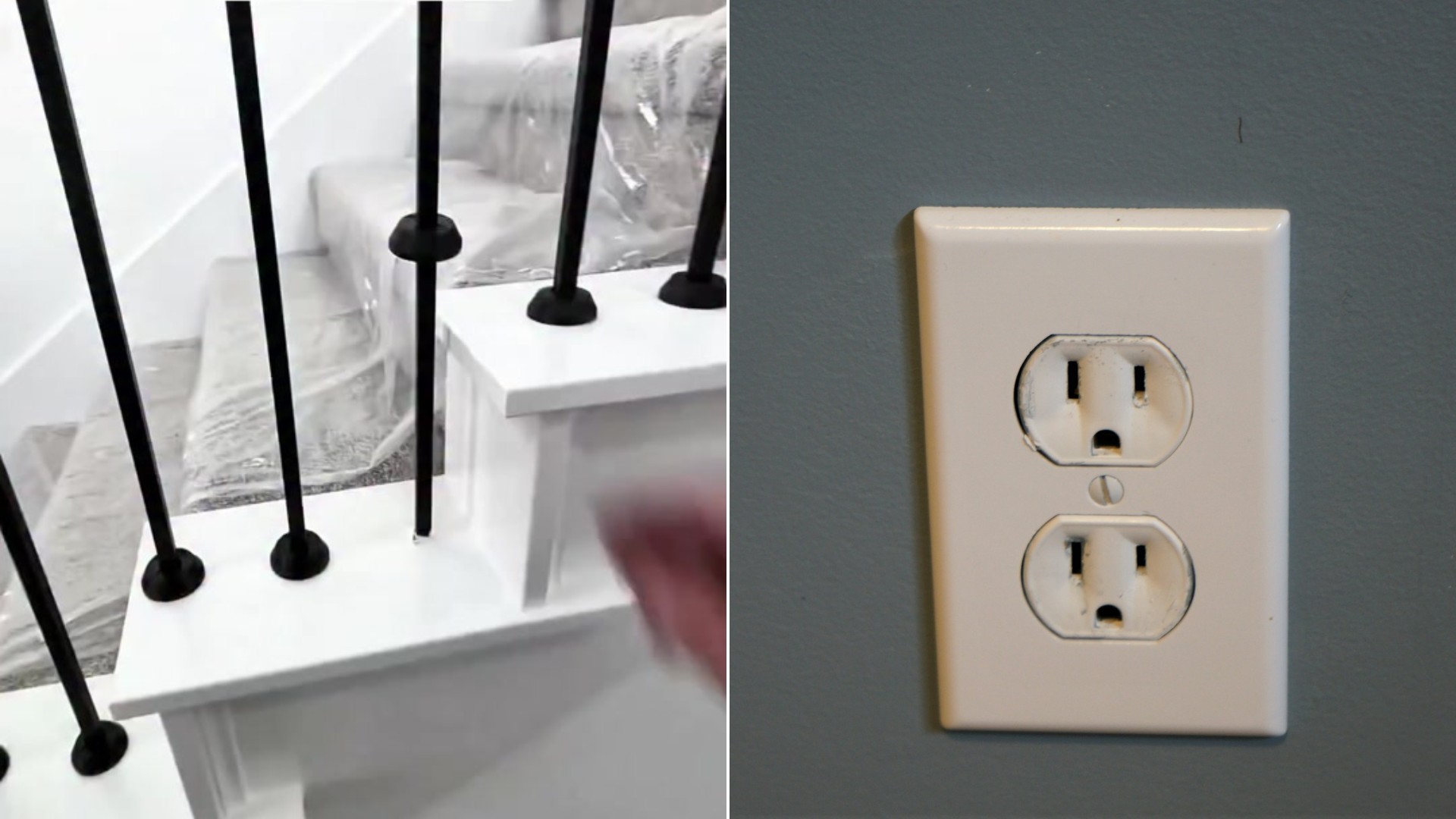
The inspector, @usahomeexpert, shared the walkthrough on TikTok, and he even turned one of the findings into a punchline.
@usahomeexpert
A $2M New Build With Floor Outlets That Wiggle
In the video, the inspector points out loose floor outlets in the new construction home. They are the kind of detail that rarely shows up in a glossy listing, but they matter in daily life.
A floor outlet that moves when you plug something in is not secured properly in its box. Over time, the repeated tugging can strain the wires behind it and the connections that hold them.
The inspector adds a joke. Loose outlets, he says, will never make him rich. It is the sort of dry humor that comes from a career spent finding the same small mistakes in houses of every price.
Then He Spots A Second Story Guardrail Missing Fasteners
The next problem is more serious. On the second story, he finds a guardrail that is missing fasteners.
A guardrail exists for one reason, which is to keep people from falling. Missing screws or bolts mean the rail may not be anchored the way it was designed, and a rail that wobbles under a hand is a rail that may not hold when someone leans on it.
Under the International Residential Code, which most U.S. jurisdictions use as a base, guards are generally required where a walking surface is more than 30 inches above the floor below. They are typically 36 inches high in homes and must resist a heavy load, in the range of 200 pounds applied at the top. Local rules vary, but the idea is the same everywhere. A guard has to be solid.
Why Price Does Not Guarantee Quality
Many buyers assume that a high price means high quality. It often does not work that way, because a house is built by many trades on a schedule, and mistakes slip in when work is rushed.
Framers, electricians, plumbers, tile setters and finish carpenters all come and go, and each one assumes the next will catch an error. Local building officials do inspect new homes, but their checks are limited to code compliance at specific stages and cannot catch every loose fastener.
That is why a buyer’s own inspector is so valuable. He works for you, he has no stake in the closing, and he looks at the little things that end up costing you.
Why Loose Outlets Are Worth Fixing
It might sound petty to fuss over an outlet, but loose receptacles can lead to loose connections, and loose connections create heat. The National Fire Protection Association has long identified electrical faults as a cause of home fires, and poor connections are a known piece of that puzzle.
Floor outlets are also easy to damage with vacuums, furniture and foot traffic. If one is already loose on day one, it may fail early.
The fix is usually quick and cheap for an electrician, which makes it a perfect item to put on a repair list before closing.
What To Do If You Are Buying New Construction
If you are about to close on a new house, there are steps that protect you.
- Hire your own licensed home inspector, and schedule the inspection before the final walkthrough. Many inspectors also offer a phase inspection, such as before drywall goes up.
- Walk the home with a checklist and test every outlet, switch, faucet, door and window yourself.
- Tug on stair rails, deck rails and balcony guards. They should not move or rattle.
- Put every problem in writing as a punch list, with photos, and get the builder’s agreement to fix each item by a certain date.
- Do not close or accept the keys until the serious items are done, or get a written plan with money held back to cover them.
Know Your Warranty
Keep your expectations realistic too. Every new house has some flaws, and a good builder will fix them promptly. The goal is not a perfect house on day one but a clear list and a firm promise to correct it.
Ask the builder how repair requests are handled and who to call, and get the name in writing.
Most builders offer a warranty, often covering workmanship for a year, systems for two years and structure for ten, though the terms vary by builder and state. Read yours before you sign.
Make a note of the deadlines, and plan an inspection of your own around month eleven so you can file claims before coverage runs out. Keep copies of all emails and repair requests.
A Smart Lesson From A Costly House
The inspector’s joke makes people smile, but the message is serious. A house can look beautiful and still have loose wiring and a rail that is not properly fastened.
Whether the price is $2M or a fraction of that, the best protection is a careful, independent set of eyes before the paperwork is signed. It is a small expense compared with the largest purchase most families ever make.
More Stories You May Like
- Woman Pays A Contractor $38,480 In Four Checks For Home Repairs, Then A Probable Cause Statement Says He Removed Structural Supports, Left A Hole In The Roof And Claimed He Replaced Footings A Second Contractor Found He Did Not
- Jury Finds A Nantucket Agent Misled A Couple Who Paid $1.45 Million For A Two Bedroom Home She Said Could Be Doubled In Size, And Her Firm Now Owes $1,280,886 Plus Interest While It Appeals
- Renter Sees A TikTok Ad For A House, Pays $1,070 In Gift Card Codes After Zelle Fails, Then Is Asked For $700 More For A Second Month’s Rent And Ends Up Losing $1,770, Police Say
Leave a Reply