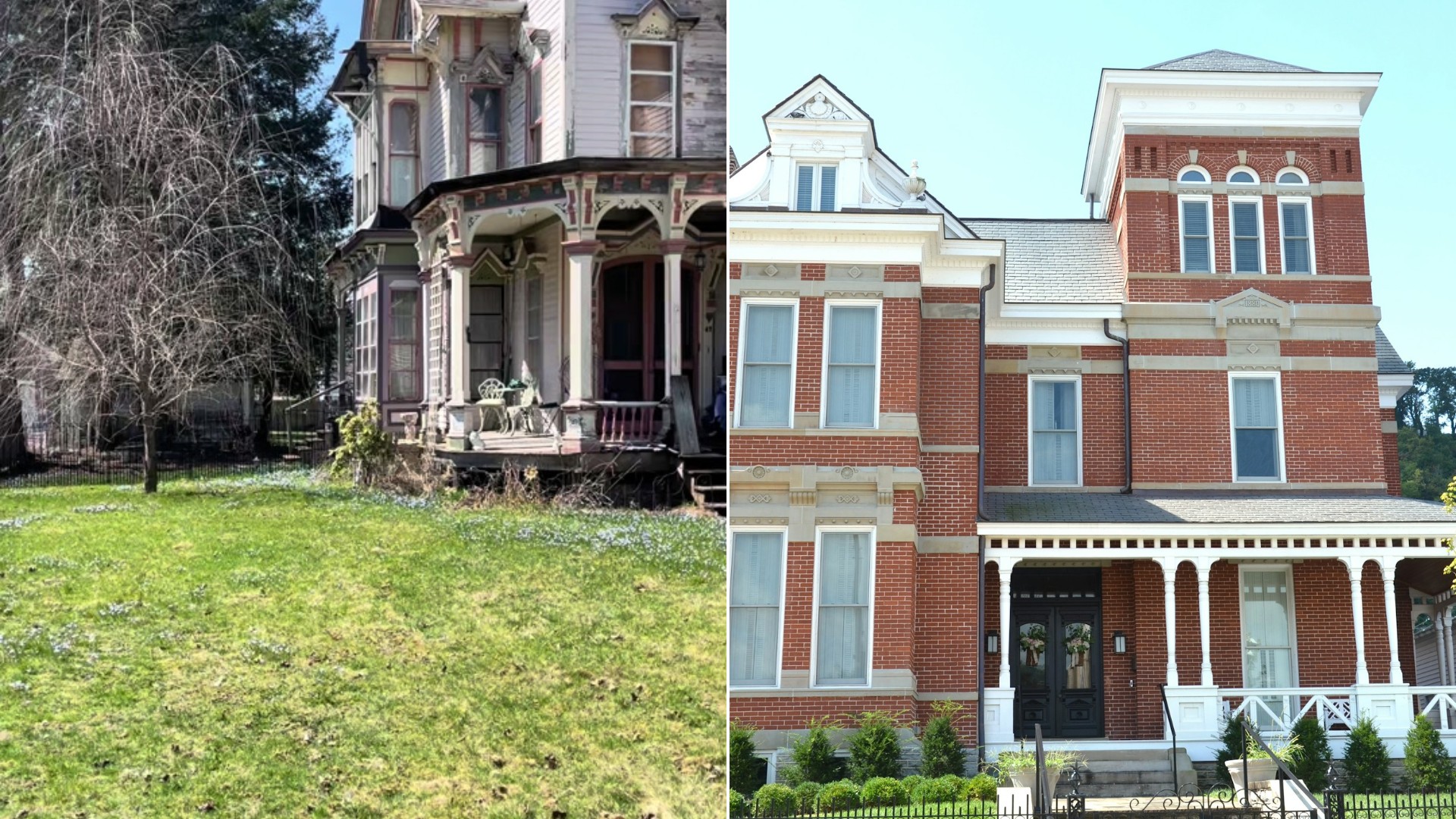
Buying a house you have never set foot in sounds like a gamble. Buying a Victorian tower house that way, and then moving across the country to live in it, sounds like a movie plot. That is the story told by @thevictoriantowerhouse.
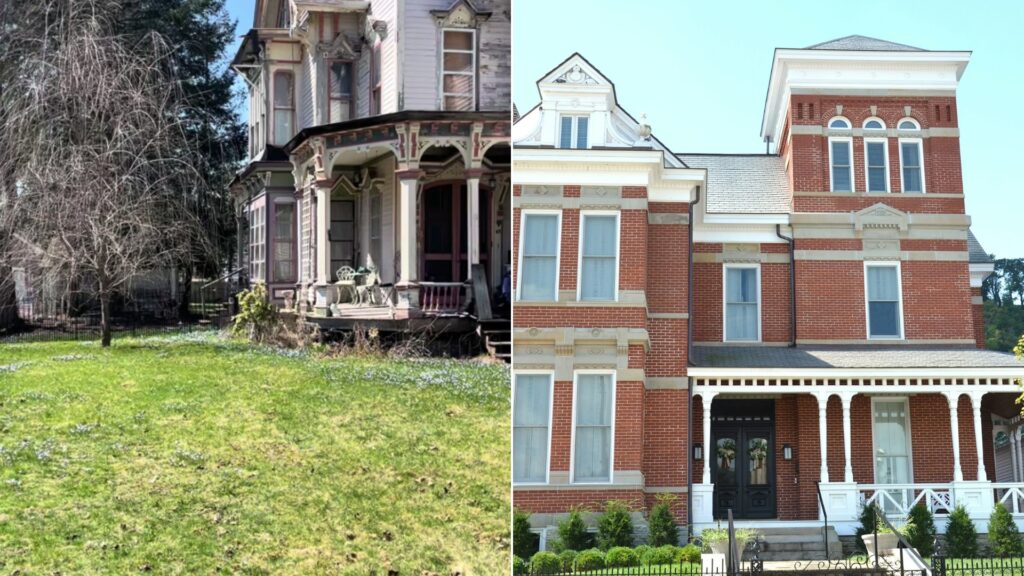
According to their video, the couple bought the house after seeing only a video tour. They packed up and moved from Florida to New York, and then began the long job of stripping the paint.
Months of that work uncovered something nobody wanted to find: rot.
@thevictoriantowerhouse
They Bought The Victorian Tower House Without Ever Visiting
Most buyers walk through a home several times before signing. These two relied on a video tour, which tells you how much they loved what they saw on the screen.
Buying sight unseen is not unheard of in a hot market, and it happens more often when a home is far from where the buyers live. It does carry extra risk, which is why many people lean on a thorough inspection and a trusted local contact when they cannot be there in person.
From Florida To New York
The move itself was a big change. Florida and New York could hardly be more different in climate, and a house with a tower in the Northeast faces winters, snow and freeze and thaw cycles that wear on old wood.
For a family leaving the sunshine state, taking on a century old home through its first cold season is a lot to learn all at once. Old houses need heat, ventilation and regular upkeep, and they reward owners who pay attention to them.
Months Of Paint Stripping Uncovered Rot
Stripping paint from a Victorian is a slow, careful job. Layer upon layer of old coatings can sit on the trim, siding and decorative woodwork, and removing them by hand takes months.
Beneath the paint, they found rot on the second floor of the tower. Moisture can sneak behind paint and into wood over many years, and the damage often stays hidden until the surface is stripped.
It is the sort of discovery that turns a cosmetic project into a structural one. A paint job becomes a carpentry job, and the timeline and budget change with it.
Why Towers And Old Wood Are Prone To Rot
Towers stand tall and exposed. Wind drives rain against them, and the roofs and joints of a complicated shape have plenty of places where water can get in.
Wood rots when it stays damp over time, and old paint that cracks or peels can trap moisture instead of letting it escape. Gutters, flashing and sealed joints are the first lines of defense, and when any of them fails, the damage builds slowly.
If You Are Buying An Old House, Do This First
A home from the Victorian era brings charm and a long list of things to check. A good inspection is worth far more than it costs, especially when you cannot visit.
- Hire an inspector who has experience with older homes and ask about roof, flashing, windows and wood trim.
- Ask a local contractor or architect to walk the property and send photos or live video.
- Look at the history of repairs and ask for any records of past work.
- If the house has lead paint, which is common before 1978, learn the safe way to deal with it before you scrape or sand.
- Set aside a repair budget on top of the purchase price.
Smart Habits For Restoring A Victorian
Work from the top down and from the outside in. Fix the roof and water management first, because everything else depends on keeping the house dry.
Take time over the paint. If the house was built before 1978, wear the proper protection and follow lead safe practices, since scraping old paint can create hazardous dust.
Document everything with photos, and keep notes on what you find. When rot appears, replace the damaged wood and match the original profiles where you can, so the house keeps its character.
And pace yourself. A big restoration is a marathon, and owners who treat it that way tend to enjoy the journey much more than those who rush.
The Hidden Costs Nobody Puts In The Listing
Old house projects almost always cost more and take longer than the first plan. Rot repair involves carpentry, scaffolding for a tower, new primer and paint, and sometimes specialist help for decorative details that are no longer sold in stores.
Many restoration owners suggest a contingency fund of 20 percent or more of the expected budget. It is easier to hope you never need it than to wish you had saved it when the paint comes off and the wood underneath is soft.
Insurance deserves a conversation as well. Ask your agent how an older home with a tower is rated, and what is covered if water damage turns up during restoration.
What This Story Teaches
The journey shared by @thevictoriantowerhouse shows both the romance and the reality of an old house. They fell for a Victorian tower house on video, bought it without visiting, and moved from Florida to New York.
Months of paint stripping then showed them what lay beneath. Anyone who dreams of an old house can take heart from their courage, and a lesson from the rot.
More Stories You May Like
- Woman Pays $4,500 For A New York Apartment, Then Says A Banging Condenser Has Kept Her From A Full Night’s Sleep Since She Moved In And The Landlord Says They Cannot Fix It
- Couple Buys A 1920s House From Photos Without Ever Seeing It, Finds Hardwood Under The Carpet, Then Mold Forces Them To Redo The Blue Tile Bathroom
- Son Secretly Fixes Up A House For 10 Months And Hands It To His Mom, Who Had Been Renting Her Whole Life And Had No Idea Until She Walked In
Leave a Reply