Some electrical problems whisper. This one shouted. A home inspector opened up a house and found extension cords fed through a wall, surge protectors daisy chained one after another, and screws driven right through one of them.
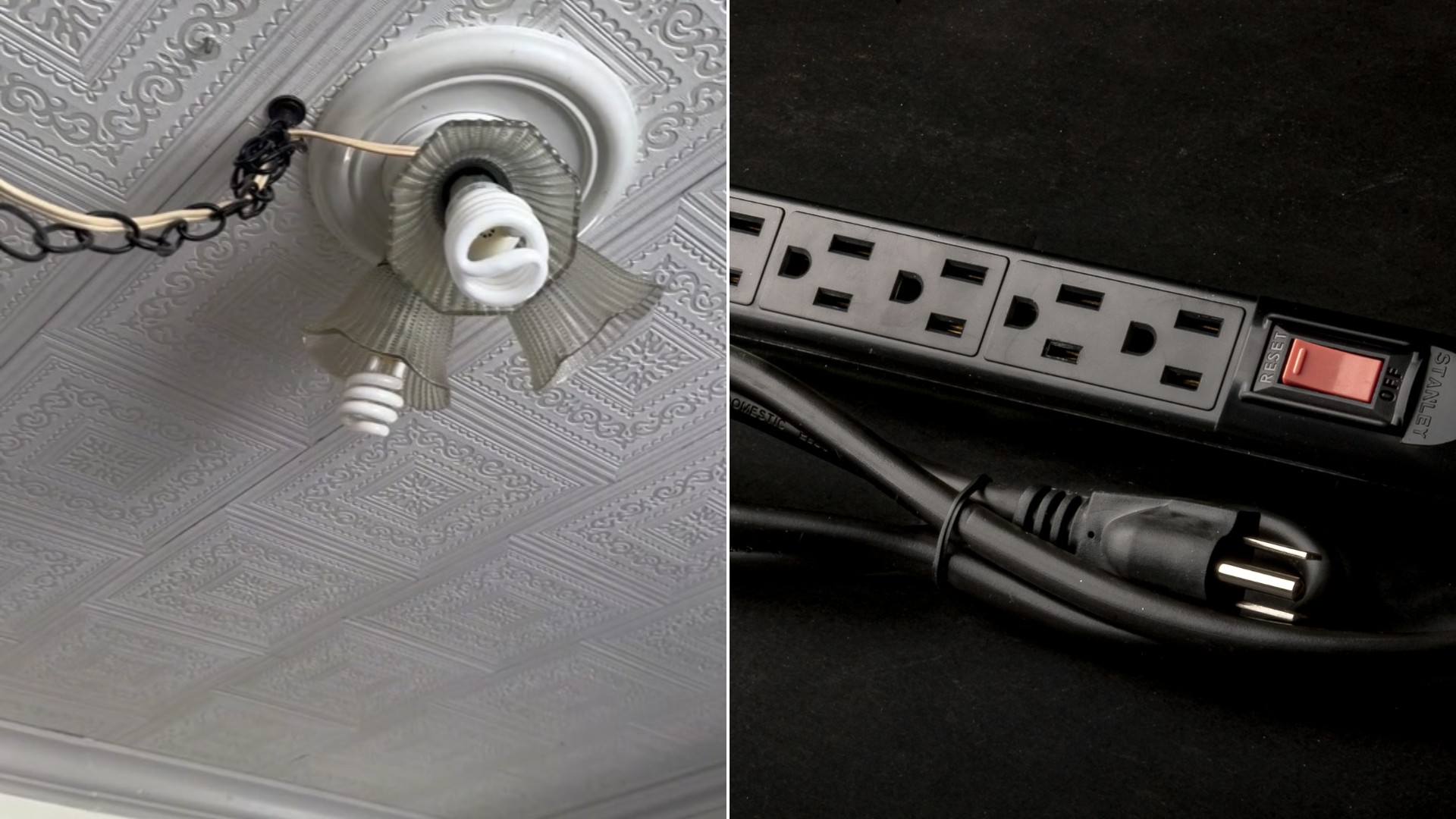
The inspector, @thomasjoneshomes, was not subtle about his reaction. He asks whether the people who set this up are trying to burn the house down.
It is a blunt question, and the answer from fire safety experts is that this kind of setup is exactly how house fires start.
@thomasjoneshomes
Extension Cords Fed Through A Wall
The first problem is the cords running through a wall. Extension cords are designed to be visible, uncovered and temporary, and they are not made to be buried inside a wall cavity.
Once a cord is inside a wall, heat has nowhere to go. A cord that warms up under load can overheat with insulation and framing right beside it, and nobody can see the damage building.
Permanent wiring is built for permanent places. It is a heavier cable, protected and secured, and installed under electrical code for exactly that reason.
Surge Protectors Daisy Chained Together
The second find was a string of surge protectors plugged into one another. Electricians call this daisy chaining, and manufacturers warn against it.
The trouble is simple math. A wall outlet on a standard household circuit can only deliver so much power. Each device you add to the chain pulls from the same single outlet, so the first cord in the line carries everything.
That first cord and plug can get hot, and a hot plug is a fire risk even when nothing looks wrong.
Screws Driven Through A Surge Protector
Then came the detail that made the inspector ask his question. Screws had been driven right through one of the surge protectors.
A surge protector is full of electronic parts and live conductors. A screw that pierces the case can touch those parts, which can lead to a short, a shock or a spark.
No one should ever fasten a power strip by driving a fastener through it. If you need to mount one, use the mounting slots many models include, or a bracket made for the job.
Why Inspectors Take This So Seriously
The National Fire Protection Association has long reported that electrical problems are a leading cause of home fires, and extension cords and power strips are a regular part of that story. Overloaded outlets and misused cords are among the most common reasons.
The worrying part is how normal these shortcuts feel. Running a cord through a gap instead of calling an electrician saves money and time on the day, and the danger stays hidden until something goes wrong.
An inspector sees the shortcuts that built-up years of fixes leave behind. That is the value of hiring a professional to look at a house before you buy it.
Extension cords are rated for a certain load based on their thickness, and thin cords carry less than thick ones. A light-duty cord pushed past its rating gets warm, then hot, and the plastic jacket can soften and fail.
That is why electricians stress that cords are for temporary use. For anything you need all the time, a real outlet on a real circuit is the safe answer.
What To Do If You Find This In Your Own Home
If you see anything like this in your own house, treat it as urgent. Here is where to start.
- Unplug the cords and chains. Do not use a power strip with damage, melted spots or screws through it.
- Plug each large appliance directly into a wall outlet, and never into a power strip.
- Use only one surge protector per outlet, and never plug one into another.
- Call a licensed electrician if cords have been run through walls or ceilings.
An electrician can add a new outlet where you need one. It costs far less than a fire.
Warning Signs To Watch For
Your senses can warn you before a fire does. A warm plug, a buzzing sound, a burning smell or a flickering light are all reasons to unplug and investigate.
Check cords for cracks, frays and discolored plastic, and replace any that look worn. Make sure your smoke alarms work, and test them monthly.
Smoke alarms on every level and outside every sleeping area give your family time to get out if the worst happens.
Also look at what is plugged into the strip. Space heaters, microwaves, toasters and window air conditioners pull large amounts of power and belong in a wall outlet. A breaker that trips again and again is the house telling you the circuit is overloaded.
A Cheap Fix Is Rarely A Safe One
Power is something we never see, which is why we tend to forget how much of it flows through a house. Treating outlets and cords with respect is one of the simplest ways to protect your family.
If you are buying a house, ask the inspector to check the electrical panel and the outlets, and look at how cords and strips are being used. A question like the one in this video is a good one to ask yourself whenever you find a shortcut.
More Stories You May Like
- Couple Fixes A Dangerously Wobbly Deck Railing With 24 Lag Bolts And 11 Brackets, Then Finds Out They Are Already Out Of Washers After Buying 20
- Police Show Up At A 92 Year Old French Woman’s Home After Neighbors Complain About Noisy Frogs In Her Pond, And She Says They Play With Her Fish And Are Her Entertainment
- Man Comes Home To Find A Massive Utility Pole Planted Right In Front Of His House And Taking Up Much Of The Sidewalk With No Warning
Leave a Reply