Few things get a homeowner’s blood going like looking out the window and seeing something that does not belong. For @ladyqueworld, it was a garden hose snaking across the grass, and the other end was attached to the house.
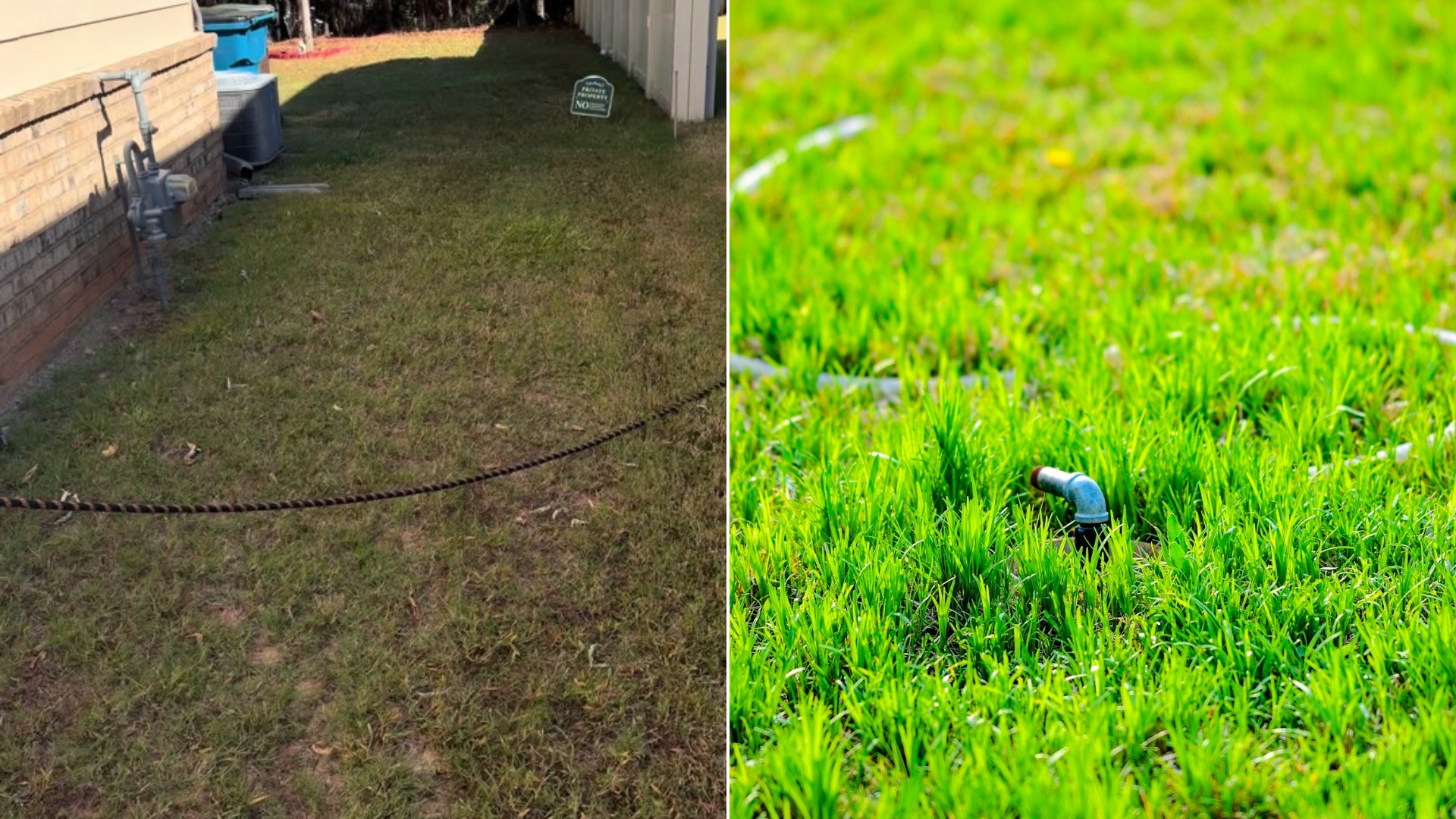
The person holding the hose was a neighbor, and the lawn being watered was not the neighbor’s own.
@ladyqueworld
A Neighbor, A Hose And A Spigot That Was Not Theirs
In their video, the homeowner catches a neighbor watering a lawn with a hose hooked up to the home’s outdoor water supply. Anyone who pays a water bill knows why that stings. Every gallon that runs through that spigot shows up on someone’s statement.
It is not only about the money, either. An outdoor faucet sits on private property, and most people expect to be asked before anyone uses it. Walking up and connecting a hose without a word crosses a line that neighbors rarely forget.
The Homeowner Says The Police And The HOA Are Getting A Call
After the discovery, the homeowner says the police and the HOA will be getting a call. It is the kind of line that makes a video travel, because it promises that a small yard dispute is about to turn into a formal complaint.
Calling the police over a hose may sound extreme to some, and fair to others. Whether it is the right step depends on the facts and on local rules, and many disputes of this kind are settled with a polite conversation long before an officer arrives.
Why Water Use Is A Bigger Deal Than It Looks
A running hose can use around ten gallons of water a minute, and a lawn sprinkler session can last an hour. That adds up quickly, particularly in places where water is priced in tiers and heavy use pushes a household into higher rates.
In dry regions, water is also tightly managed. Cities and communities often set watering schedules and restrictions, so an unapproved hookup can create trouble for both the person using the water and the person whose house it came from.
What The HOA Can And Cannot Do
A homeowners association usually enforces its own rules about lawns, landscaping and shared property. It is not a police force, and it generally cannot settle a dispute about who used whose faucet.
What it can do is send a letter, hold a hearing or issue a fine for violations of the community rules, depending on the documents each homeowner agreed to. Reading the association’s covenants is the best way to know which complaints it takes seriously.
When To Call The Police And When To Walk Over First
The legal side varies by state, and using someone’s water without permission can be treated differently from place to place. If you are unsure, a quick call to the non-emergency line of your local department can tell you how it handles a case like this.
For most people, the best first move is the quiet one. A calm knock on the door, a clear request to stop and a photo of the hose for your own records settle many cases in a single afternoon.
Practical Steps To Protect Your Outdoor Water
If you want to avoid this kind of surprise, a few inexpensive habits help.
- Install a locking cover or a lockable hose bib on outdoor spigots that face the street.
- Shut off the outdoor valve inside the house when you are away or when the season ends.
- Check your water bill monthly and look for jumps that do not match how much you used.
- Take dated photos or video if you catch someone using your property, and keep your messages calm and factual.
- Put your request to stop in writing, such as a text or a short note, so there is a record.
Keeping The Peace With The People Next Door
Neighbor disputes have a way of growing. A single moment of frustration can turn into months of cold shoulders, and living beside someone you are fighting with makes every day harder.
If you can, start with a conversation and move to the HOA or the authorities only if the problem continues. You have a right to protect your property, and you also have a right to a peaceful street.
Document Everything Before You Make The Call
Whatever route you take, a clear record gives you the most leverage. Note the date and time, take a short video that shows the hose and the spigot, and write down anything the neighbor said while it was happening.
Calm, factual notes also help if an HOA board or an officer asks questions later. A complaint that comes with a clear timeline and photos is taken much more seriously than one built on anger alone.
What This Moment Teaches Every Homeowner
The story is a good reminder that small boundaries matter. A hose, a spigot and a few minutes of water may seem minor, but they touch money, trust and basic respect between neighbors.
Know your rules, keep your records and decide in advance how you will handle a problem. That way, the next time something looks wrong from your window, you will know exactly what to do.
More Stories You May Like
- Couple Buys Their First Home After Multiple Inspections Found Nothing, Then Finds At Least 25 Snakes Inside, And A Neighbor Says The Snakes Were Free With Purchase
- Homeowner Buys A Rat Infested House For Siblings To Live In, Then Finds Water Damage Behind Mirrors, No Waterproofing Behind Shower Tile And Termite Damaged Walls
- Neighbor Keeps Taking Her Trash Can Off The Porch And Bringing It Back, Then Ring Cameras Catch Her Standing Out Front Holding Up A Phone And Whispering It’s Gone
Leave a Reply