Thirty days sounds like plenty of time. For a landlord handling a security deposit, it can be a deadline with a very sharp edge.
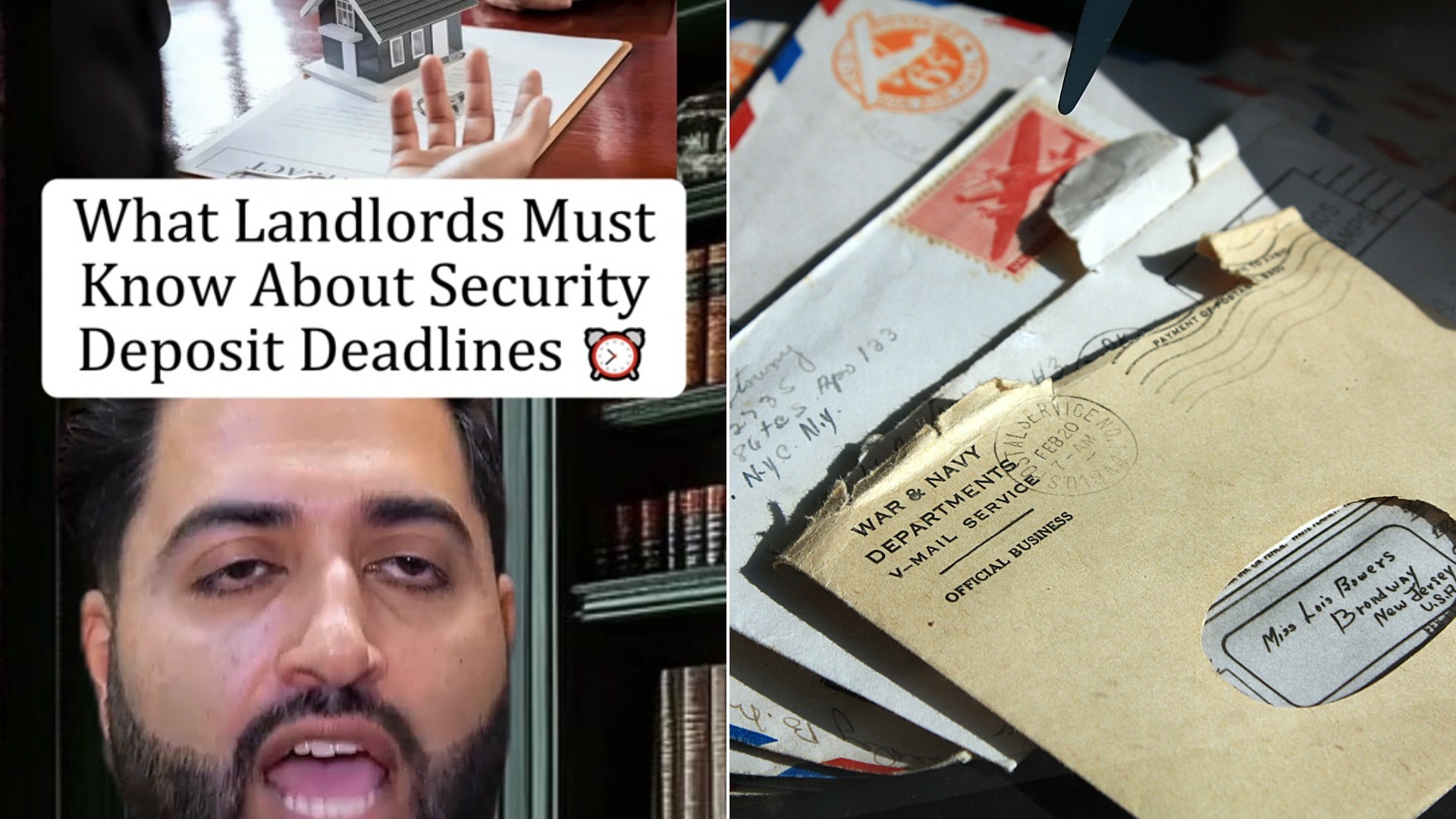
In a TikTok from @peter.mc04, the warning is blunt. Landlords who miss a 30 day deadline to send the security deposit letter by even one minute can owe tenants double the deposit, even if they returned the whole deposit.
That is the part that surprises people. Handing back every dollar is not always enough if the paperwork shows up late.
@peter.mc04
Even One Minute Late Can Cost Double
The creator’s point is about timing. When a tenant moves out, the landlord has a set number of days to deal with the deposit and to send the required letter. In the situation he describes, that window is 30 days, and a landlord who misses it can face a penalty.
The penalty he describes is double the deposit. So a landlord holding a $1,500 deposit could owe $3,000, even after returning the full $1,500. The mistake was not in the money. It was in the clock.
Returning The Whole Deposit Does Not Always Settle It
Many landlords assume that giving the deposit back in full ends the matter. In states with strict deposit laws, the deadline and the written notice are separate duties, and a miss on either can open the door to a claim.
That is why a landlord who sends a full refund on day 31 can still end up in small claims court. Judges in these cases often focus on dates and mailing proof rather than on good intentions.
Deposit Rules Vary A Lot By State
The 30 day number is not universal. Deadlines in the United States commonly run from about 14 days to 60 days depending on the state, and some states set different clocks for returning the money and for sending an itemized list of deductions.
Penalties vary too. Some states allow a tenant to recover two times the deposit, some allow three times, and some add court costs or attorney fees. Landlords and tenants should look up their own state’s landlord tenant statute, or call the state attorney general’s office or a local housing agency, to find the exact numbers.
What Landlords Should Do To Stay Safe
The easiest way to avoid a penalty is to treat the deadline like a tax filing date. Here are steps that help.
- Write down the move-out date and count the deadline on a calendar the same day, with reminders a week and three days before.
- Do a move-out walk-through, with photos and video, as soon as the tenant hands over the keys.
- Get a forwarding address in writing, since a letter that cannot be delivered can cause trouble.
- Send the letter and any refund by a method that gives proof of mailing, such as certified mail with a receipt.
- Keep copies of repair bills, receipts and the itemized list.
Mail early rather than late. A letter sent on day 20 leaves breathing room for a holiday, a weekend or a slow post office, and it shows good faith.
What Tenants Should Do To Protect Their Money
Tenants have a part in this too. Before you move out, give written notice as your lease requires, take dated photos of every room and keep a copy of your lease and move-in checklist.
Provide your forwarding address in writing and keep proof that you sent it. Then mark your calendar for the date the deposit should come back. If the deadline passes without a letter or a refund, send a written demand that cites the law and gives a reasonable date to respond.
If that does not work, small claims court is built for these disputes, and you do not need a lawyer. Bring your lease, photos, receipts and proof of your forwarding address.
A Simple Paper Trail Can Protect Both Sides
Good records are the great equalizer in deposit disputes. A signed lease, a move-in checklist, dated photos and a written forwarding address make it easy for a judge to see what happened.
Landlords should keep a folder for each tenant with every notice, receipt and message. Tenants should do the same, and back it up on their phone, because a deposit dispute can show up months after a move.
If you are a small landlord with only one or two units, it is worth reading your state’s rules each year, since laws change. Many state attorney general offices and housing agencies publish free guides in plain language.
Do Not Rely On Memory Or Guesswork
Rules about deposits tend to be detailed, and they change. A landlord who learned the rules years ago may be working from an outdated version, and a tenant who heard something from a friend may be missing key steps.
Take ten minutes to read the actual statute or the plain language guide from your state. Look for the number of days, the required contents of the letter and the penalty, and write those three items on the first page of your tenant file.
The Bottom Line On A Tiny Deadline With A Big Price
The advice from the creator boils down to one thing, which is to respect the clock. A landlord who is organized, documents everything and mails on time rarely has trouble, while one who waits until the last day can pay for it.
A security deposit is the tenant’s money held in trust, and the law in many places treats it that way. Whether you are the landlord or the renter, knowing the deadline in your state is the cheapest protection you can buy.
More Stories You May Like
- New York Landlords Who Miss The 14 Day Deadline To Return A Deposit Or Send An Itemized Statement Must Hand Back The Entire Deposit, Damage Or Not
- Son Secretly Fixes Up A House For 10 Months And Hands It To His Mom, Who Had Been Renting Her Whole Life And Had No Idea Until She Walked In
- Allegheny County Signs A Law Making Landlords Pay To Relocate Tenants Forced Out Of Unsafe Homes, Because Taxpayers Were Covering The Bill For Negligent Owners
Leave a Reply