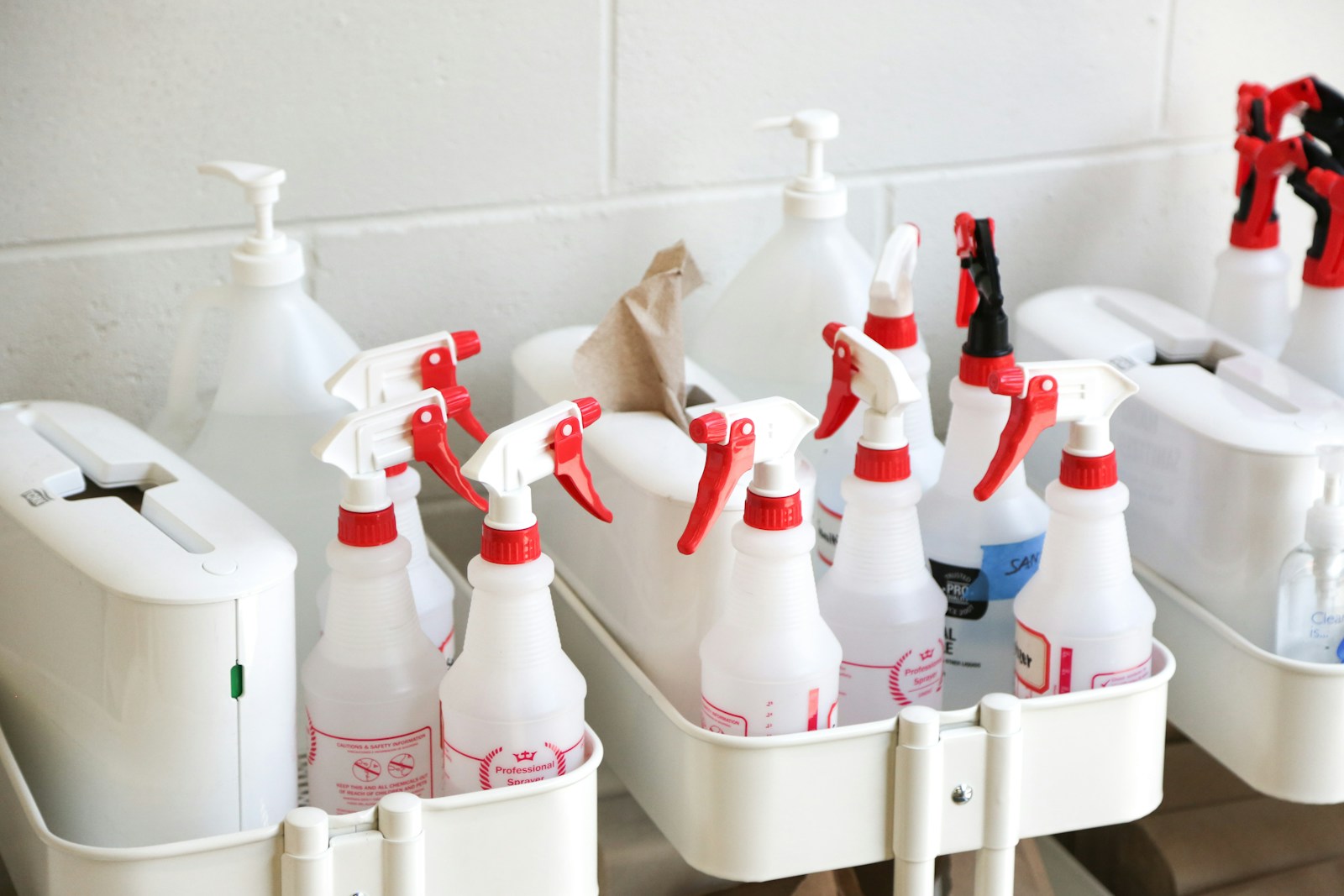
We all want our homes to sparkle and shine, right? But sometimes, in our quest for cleanliness, we could be using products that do more harm than good. It’s like trying to fix a leaky faucet with a sledgehammer—good intentions, but not quite the right tool for the job. Let’s chat about five common cleaning products that, while they might make your space smell fresh and look clean, could be slowly damaging your surfaces.
1. Vinegar: The “Miracle” Cleaner
Ah, vinegar—the darling of DIY cleaning. It’s touted as a miracle worker for everything from windows to countertops. But here’s the catch: if you’ve got natural stone surfaces like granite or marble, vinegar can be a real villain. Its acidity can etch and dull those beautiful surfaces over time. So, while it’s great for those pesky soap scum stains, maybe keep it away from your fancy countertops. Your stones will thank you!
2. Bleach: The Heavy Hitter
Bleach is like the superhero of the cleaning world, tackling tough stains and killing germs with ease. But before you reach for that bottle, consider this: bleach can break down the finish on wood and laminate surfaces. Over time, it can leave your beautiful furniture looking dull and lifeless. Plus, if you’ve got colored fabrics or surfaces, it can cause fading faster than you can say “oops!” So, while it’s effective for disinfecting, maybe save it for the bathroom and keep it away from your lovely wooden table.
3. All-Purpose Cleaners: The Jack-of-All-Trades
All-purpose cleaners are the Swiss Army knives of the cleaning world, right? They promise to tackle everything from greasy stovetops to grimy bathroom tiles. However, some of these products contain harsh chemicals that can damage finishes on wood, plastic, or even painted surfaces. If you notice a cloudy residue or fading over time, it might be time to rethink that trusty all-purpose cleaner. Look for gentler options or those labeled as “safe for all surfaces” to protect your home’s beauty.
4. Glass Cleaners: Shiny but Dangerous
Who doesn’t love a streak-free shine on their windows? Glass cleaners often deliver that crystal-clear finish we crave, but many contain ammonia or alcohol. While these ingredients can effectively cut through grime, they can also damage surrounding surfaces—especially if they’re left to sit. If you’ve got wood frames or painted surfaces, using glass cleaner might lead to fading or discoloration. It’s a classic case of “good intentions gone awry.” Opt for a more natural solution, like a mix of water and dish soap, or even a vinegar solution (just keep it away from the stone!).
5. Scrubbing Pads: The Tough Love Approach
Sometimes, we think a little elbow grease is the answer to every cleaning challenge. Enter scrubbing pads—those gritty little tools that seem perfect for tackling stubborn stains. However, they can be too abrasive for many surfaces, especially delicate ones like non-stick cookware or polished finishes. Over time, those pads can scratch and dull, leaving you with more problems than you started with. Instead of scrubbing away with reckless abandon, try a soft cloth or sponge for those gentler surfaces. Your belongings will last longer, and you might just save yourself a headache down the line!
Final Thoughts: Cleaning Smart
Cleaning doesn’t have to be a battle between you and your surfaces. With a little awareness, you can keep your home looking great while avoiding the slow damage that some products can cause. It’s all about finding that balance—using effective cleaners that are safe for your surfaces. And remember, just because a product is popular doesn’t mean it’s the best choice for your home. So next time you’re stocking up on cleaning supplies, take a moment to consider what’s in your cart. Your home deserves it!
In the end, we’re all just trying to create a welcoming space that feels good to live in. By being mindful of the products we choose, we’re not only protecting our surfaces but also making our cleaning sessions a little less stressful. Happy cleaning!
More from Willow and Hearth:
Leave a Reply